.svg)
%20(1).svg)


Latest Update: February 13, 2026
Improving sales performance often comes down to fixing the foundation. That starts with hiring people who can learn and giving them clear, achievable goals.
Then you enable them with training, top-notch sales enablement resources, and intuitive software that handles the repetitive stuff so they can focus on selling.
Too many sales managers only bring up sales performance conversations when the numbers start to tank. It’s usually right before the end of the quarter, with targets still out of reach, or revenue starting to wobble.
If that feels familiar, your team is reacting to the scoreboard instead of running the playbook. The better move is to get proactive. Teams that hit their numbers consistently think about sales performance not as something you fix when things break, but as something you build every single day.
To help you stay on top of things, this article explores proven strategies and tools to help you drive exceptional sales performance.
What is Sales Performance?
Sales performance is a measure of how well your sales team meets its goals. It reflects the overall effectiveness of both your sales reps and your team. Think of this metric as a health check for your operations.
It shows how you're performing across lead generation, conversion rates, customer satisfaction, and revenue growth. But remember, good sales performance is not just about closing deals but about how your entire sales operations meet (and exceed) expectations.
7 Proven Strategies to Improve Sales Performance
Whether you're going through a sales slump or riding high on success, improving sales performance is a never-ending endeavor.
Below, we cover eight strategies to help you squeeze out the best possible return on sales for your operations this 2026.
Nail Your Sales Hire
The caliber of your sales reps makes or breaks your sales performance. So what should you look for when hiring sales reps? When should you start hiring? And how do you find these high-performing individuals? Here’s what you should consider:
- Start hiring before you “need” to: If you wait until the pipeline is dry or quota panic hits, you’ll rush decisions and lower the bar. Build a bench while things are stable.
- Prioritize coachability over charisma: A rep who can take feedback, run a process, and iterate will outperform a “smooth talker” long term.
- Pressure-test with real scenarios: Use roleplays for objection handling, discovery calls, and follow-ups. You’re hiring for execution, not interview skills.
- Look at their process: Ask how they research accounts, structure follow-ups, and manage the pipeline. Great reps can explain their system.
- Hire reps that are already familiar with your sales stack: If they’ve used tools like your CRM, dialer, sequencing platform, and reporting, ramp time drops fast.
- Use proactive sourcing, not just job posts: Use Instantly SuperSearch to find candidates by title, location, industry, and experience, then run a simple outreach sequence.
- Track candidates like deals: Keep stages (contacted, interested, interviewed, offer, hired) and notes in one place so nothing slips through the cracks.
Install a Feedback Loop That Doesn’t Drown Reps
Sales coaching works best when it’s specific and narrow, not a 20-point teardown. The fastest way to improve rep performance is to treat coaching like a weekly training cycle: pick a single skill, review real calls, give one clear correction, and send the rep back with a repeatable goal.
When reps leave a coaching session with five “areas to improve,” they usually leave with zero. But when they leave with one behavior to repeat for the next five calls, you get measurable change. Here are some examples:
- Identify one or two phrases or moments worth copying.
- Find one moment where the rep lost control of the conversation (usually pacing, questions, or next steps).
Pick a single focus area and stay on it for a full week. If you coach discovery, you don’t also coach objection handling and closing in the same session. But you can break it down into key sections weekly. Examples of good weekly skill themes:
- Discovery depth (asking better follow-ups)
- Agenda setting (framing the purpose + outcomes)
- Control of pacing (not rushing to pitch)
- Objection handling (one objection type per week)
- Next steps (locking a calendar commitment)
Reduce Objections by Qualifying Earlier
If you’re doing heavy objection-handling at the end, it usually means discovery didn’t do its job. Most objections aren’t pushback. They’re late-stage surprises, like budget reality, timeline, decision process, or internal constraints that never got surfaced early.

When qualification is done well upfront, the end of the sales cycle gets quieter because there’s less to untangle. Treat discovery as the moment to earn the right to pitch. Ask enough to understand what they want, why it matters now, and what they’re doing today.
That’s how you avoid “this is great, but…” showing up at the finish line. And instead of ending a call with “Do you have any questions?” Try something like, “What would make this a ‘no’ even if it works?” It’s a clean way to surface deal-killers early, while there’s still time to address them.
Invest in Sales Enablement
Sales enablement means giving your sales team the instruments, infrastructure, and system they need to consistently hit targets. In modern sales, this has a lot to do with data and how easily accessible it is for reps to draw insights from it.
Instantly, for example, helps sales teams create an outreach infrastructure that’s repeatable, scalable, and easy to automate.
Prospecting is done in minutes with SuperSearch, reps can pull insights into competitors and painpoints from Instantly CRM, and automate outreach all in one platform.
Teams also reduce the ramp-up time of new reps thanks to Instantly’s Accelerator program. It’s a comprehensive course that guides you through every step of cold sales outreach.
Track the Right Sales Performance Metrics
What sales metrics do you keep tabs on? Are they relevant to your current sales goals? Misplaced effort is a common occurrence in sales. And its effect can be damaging to your sales performance.
To help you avoid that, track the following KPIs to assess and improve your sales performance:
- Company-wide Indicators: Are you meeting your overarching sales goals? Consider high-level indicators like annual recurring revenue (ARR).
- Sales Department Benchmarks: Take stock of your sales funnel's health with metrics such as win rate, average deal size, customer acquisition costs, and sales cycle length.
- Individual and Team Metrics: Track individual and team effectiveness against quotas and personal goals.
With the resulting data, you can uncover room for improvement to inform your sales strategies going forward.
Understand When and Where to Use AI and Automation
AI and automation don’t just exist to write sales emails. For most teams, AI and automation play a crucial role in prospecting and enrichment.
You can use AI to analyze your company and create an ideal customer profile (ICP). Then use AI lead finder tools to find exact matches.
Once you’ve validated the lead list, you can deploy AI research agents to gather more insight that reps can use later for personalization during outreach. If you want to try this workflow for yourself, you can do so with Instantly SuperSearch.
Provide Ongoing Training and Coaching
Successful sales teams never stop learning. But it just so happens that most teams today approach sales training from a reactive mindset rather than a proactive one.
A better way is to invest in ongoing training and coaching programs to keep your team sharp. This could include regular knowledge-sharing meetings, personal coaching sessions, or industry insights from external sales experts.
How Technology Helps Improve Sales Performance
And the right tech stack means the difference between hitting your sales targets or watching them fly by. If you want to improve sales performance, consider adding the following to your stack (if you haven’t already):
CRM System
An effective Customer Relationship Management (CRM) system is the backbone of any high-performing sales team.
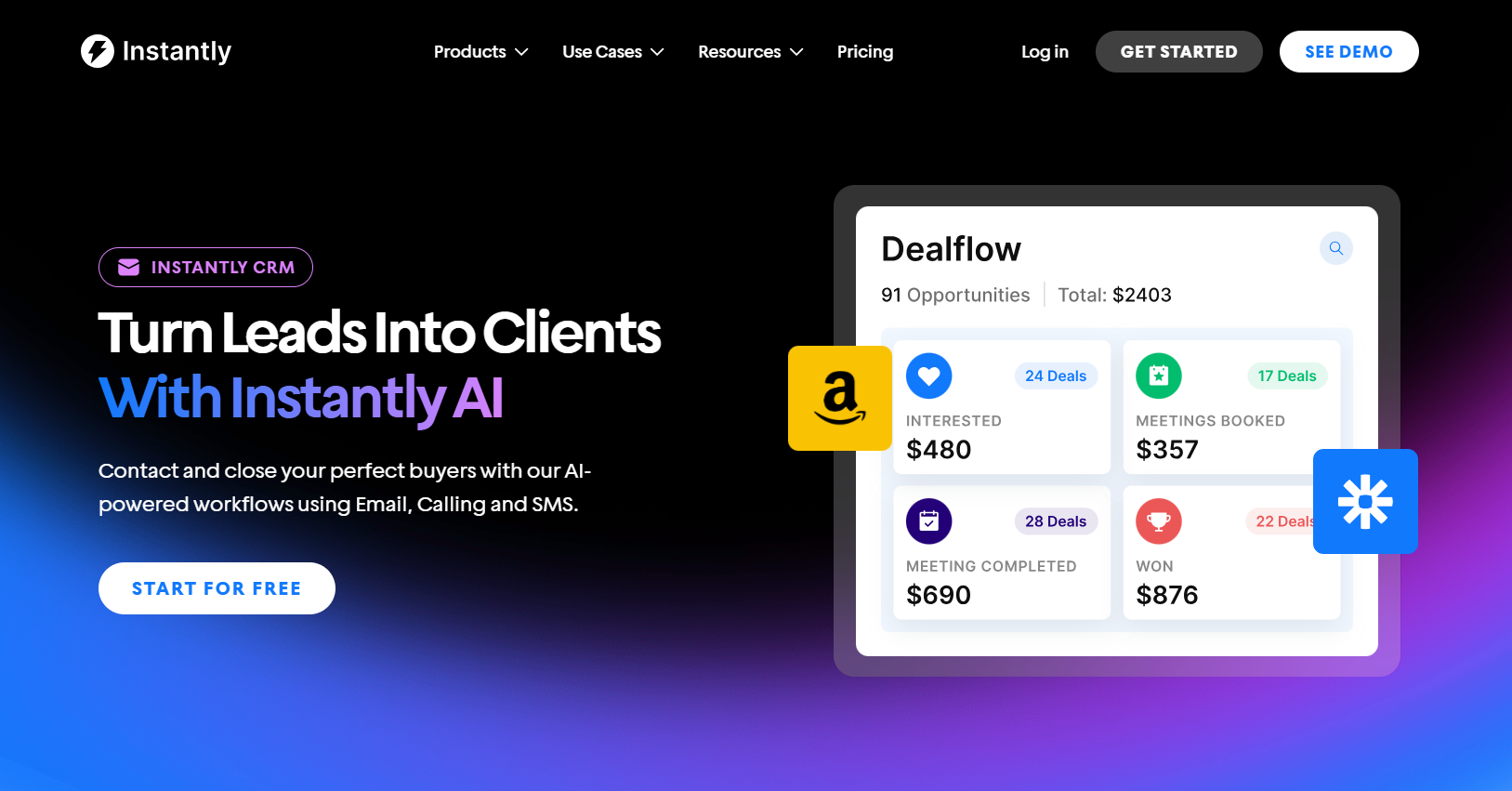
With a sales CRM, tracking leads, managing relationships, and closing deals is simplified. But you get the most value if you’re using a CRM that ties in with the rest of your stack. Instantly CRM does just that.
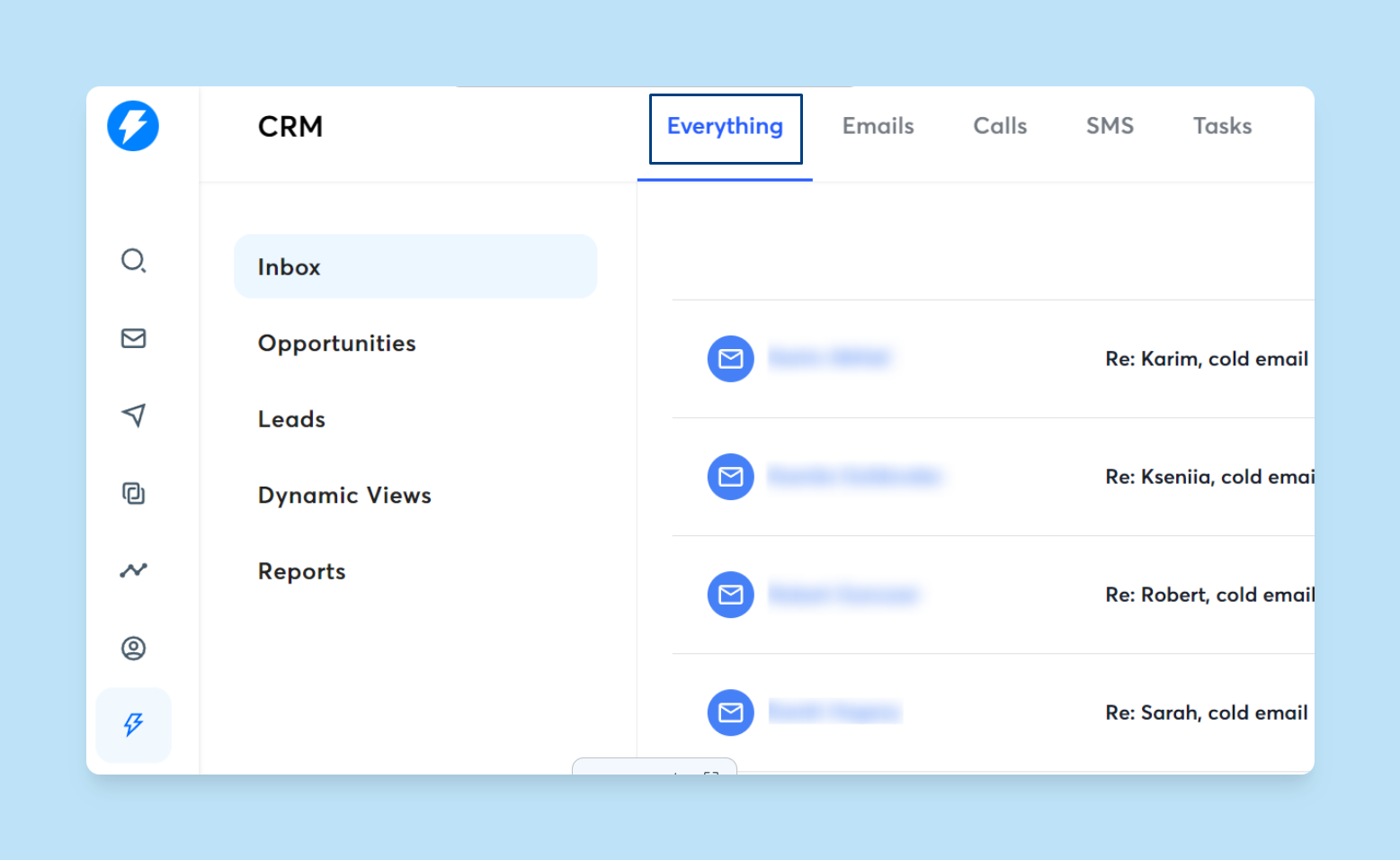
The CRM helps you gather actionable insights from data, unify all conversations from calls, LinkedIn, and email in one platform, and create automated triggers for specific conditions. No juggling between platforms and no hassle.
Cold Email Outreach Automation Software
Email marketing software is another indispensable tool in the modern sales rep’s arsenal. It remains one of the most effective methods for generating leads, nurturing prospects, and keeping your sales pipeline full.
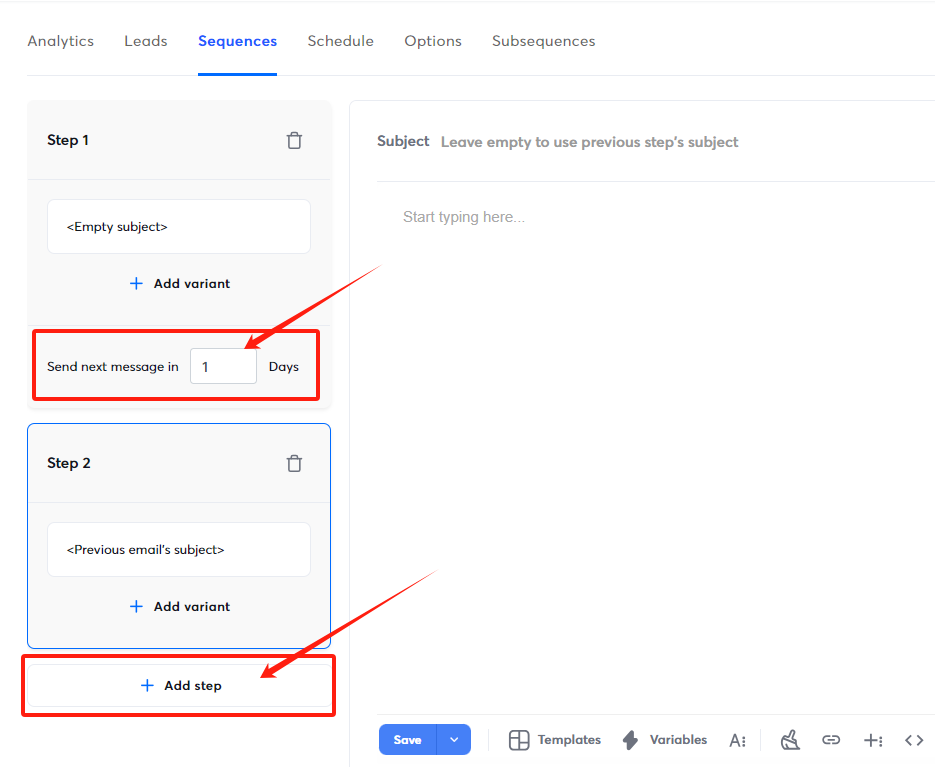
Unfortunately, many disregard the infrastructure for cold email. With Instantly, you can buy high-quality domains and inboxes, add accounts to premium warmup pools, and set guardrails to ensure sustainable automation.
This combination is potent for deliverability, especially when paired with Instantly’s personalization automation features.
Sales Analytics Tools
Numbers don't lie, and in sales, they tell a powerful story. Sales analytics tools are like a crystal ball for your sales operations. They crunch the numbers to help you figure out what's working and what's not.
Among their many use cases, sales analytics tools help you:
- Predict Trends: Forecast sales based on historical data and current trends for better planning and strategy.
- Spot Bottlenecks: Find and fix issues in your sales funnel to drive better sales performance.
- Track KPIs: Visualize and monitor key metrics like conversion rates, sales cycles, and revenue trends in real time.
- Reporting Tools: Generate detailed reports on various aspects of sales performance to inform your strategies and decisions.
Understand Customers Better: Analyze customer behavior and preferences to tailor your approach for higher sales performance.
Key Takeaways
Your sales performance is a direct reflection of your team’s success (or failure) at meeting its goals. To recap:
- Sales performance is the measure of a sales team or salesperson's ability to consistently hit sales targets over time.
- You can improve your sales performance in several ways, including nailing your sales hire, tracking the right metrics, and investing in sales enablement (to mention a few).
- Having the right tech stack is invaluable in helping scale your sales performance for sustainable business growth.
Instantly's suite of email marketing and sales engagement products is designed specifically to accelerate your team's performance at every level. Sign up for a free trial today.



