.svg)
%20(1).svg)

When is the perfect time to send an email? Is it after lunch? 8 AM? The answer depends on one crucial factor—user behavior. Instead of thinking about it in terms of time, we’re thinking about it in terms of action.
Did a prospect recently add an item to their cart but didn’t check out? Has a site visitor checked your pricing page several times? Is a lead’s free trial run about to expire?
With the help of sales tracking systems, CRMs, and email marketing tools, businesses can set up an automated email sequence, drip campaign, or follow-up campaign.
Unfortunately, it's not plug-and-play. There's still a bit of manual labor required to set everything up, and understanding the broader cold email framework helps. We're here to help you along the way! By the end of this guide, you’ll be able to learn:
- The basics of an email sequence
- The importance of email sequences
- Email sequence examples
- How to set up your own email sequence/email automation campaigns
What is an Email Sequence?
Email sequences are automated emails sent based on user behavior or actions. For example, if you just got a new subscriber to your newsletter—they could be placed in a welcome sequence.
Day 1, the new subscriber could be sent a welcome email thanking them for joining. Day 2 could be an email with quick tips. Day 3 could be a survey on what content resonates with them best.
The new subscriber could be sent to another email sequence depending on their answer. The best part is it’s all automated.
How Does Email Sequencing Work?
Email sequencing is about deciding what should happen after someone receives an email. Do they get a follow-up three days later? Does the sequence stop if they reply? Should they receive a different email if they take a particular action?
The answer depends on the sequence. Someone signing up for a newsletter might immediately receive a welcome email, followed by useful content over the next few days. A prospect in a sales sequence could receive follow-ups until they reply, while a customer approaching the end of a subscription might receive a series of renewal reminders.
Most of this can be automated. You set the emails, timing, and rules beforehand, then the sequence runs until the recipient takes an action or reaches the end.
Why is an Email Sequence Important?
Email sequences are great for engaging and nurturing leads through sales email personalization. You can use it for various email marketing tactics, such as onboarding, renewals, or abandoned cart reminders.
No matter the size, every business can implement an email sequence. Email sequences can help smaller businesses scale operations by automating repetitive manual labor.
Larger businesses can grow sustainably, qualify leads faster, and have a better-segmented audience. But what exactly does an email sequence look like?

There’s No Single Email Sequence That Works for Everyone
The examples in this guide are useful starting points, but email sequencing isn’t about finding one formula and using it for every audience. A sequence that works for new prospects might make little sense for existing customers, while different audiences may respond better to different timing and messaging.
Gartner makes a similar point when looking at sales engagement, using account engagement to assess whether teams are “hitting the optimal cadence” and recommending that performance is broken down by sales role or customer type.
That’s why the examples below should be treated as frameworks rather than fixed rules. Start with a sequence that fits what you’re trying to achieve, then use the response to each email to see where the timing or message needs to change.
Email Sequence Examples
There are several types of email sequences for a variety of scenarios, including the popular 4 sales email sequence. Here's a look at the most common ones you'd encounter and use for your own business:
The Welcome Email Sequence
Welcome emails should be standard in all businesses. You must make a great first impression whenever you get a new email subscriber, client, or customer.
Plus, welcome emails have the highest open rates among all types of emails. You have a big opportunity to promote, upsell, or forge stronger relationships here. Here is an example:
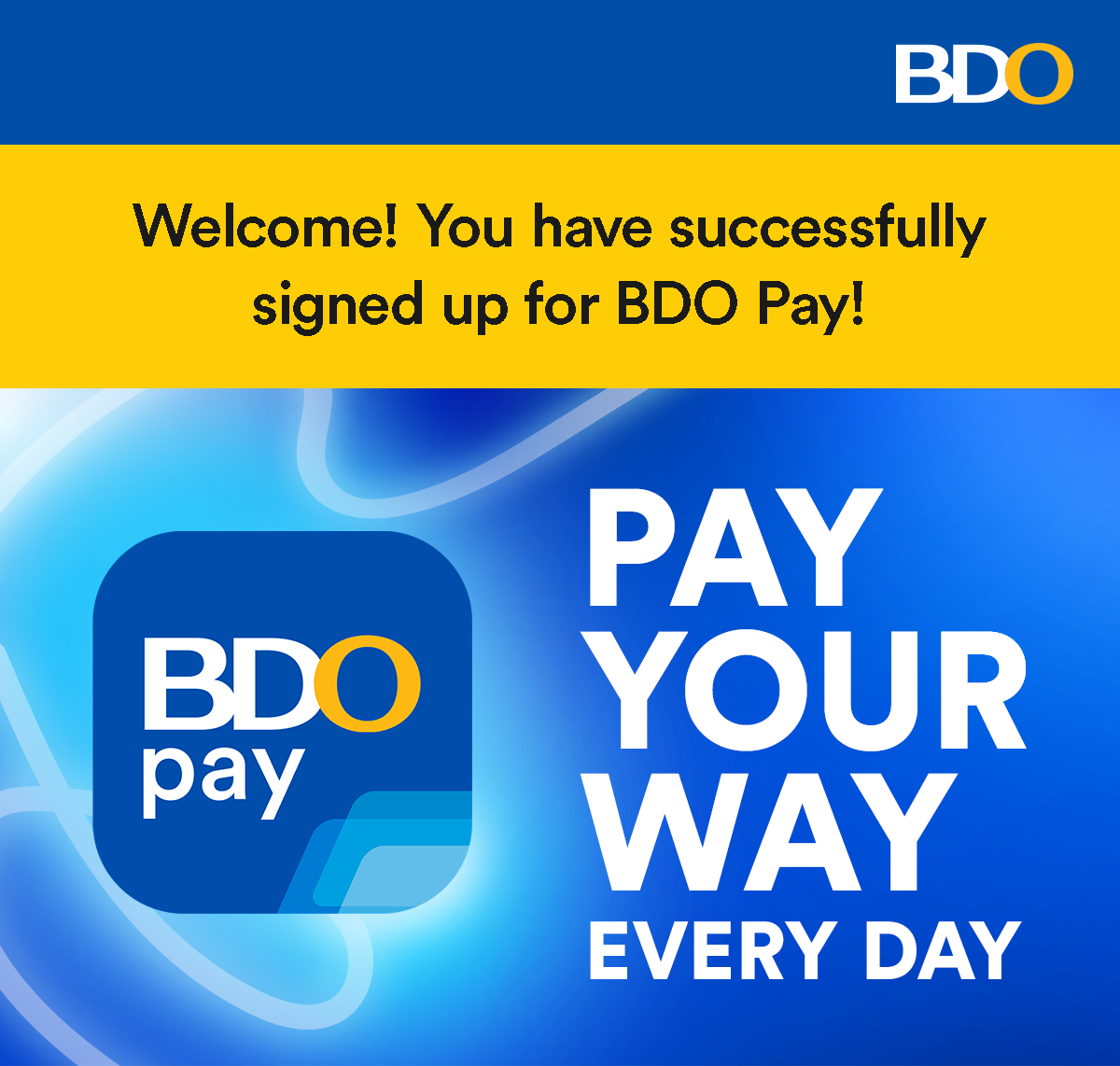
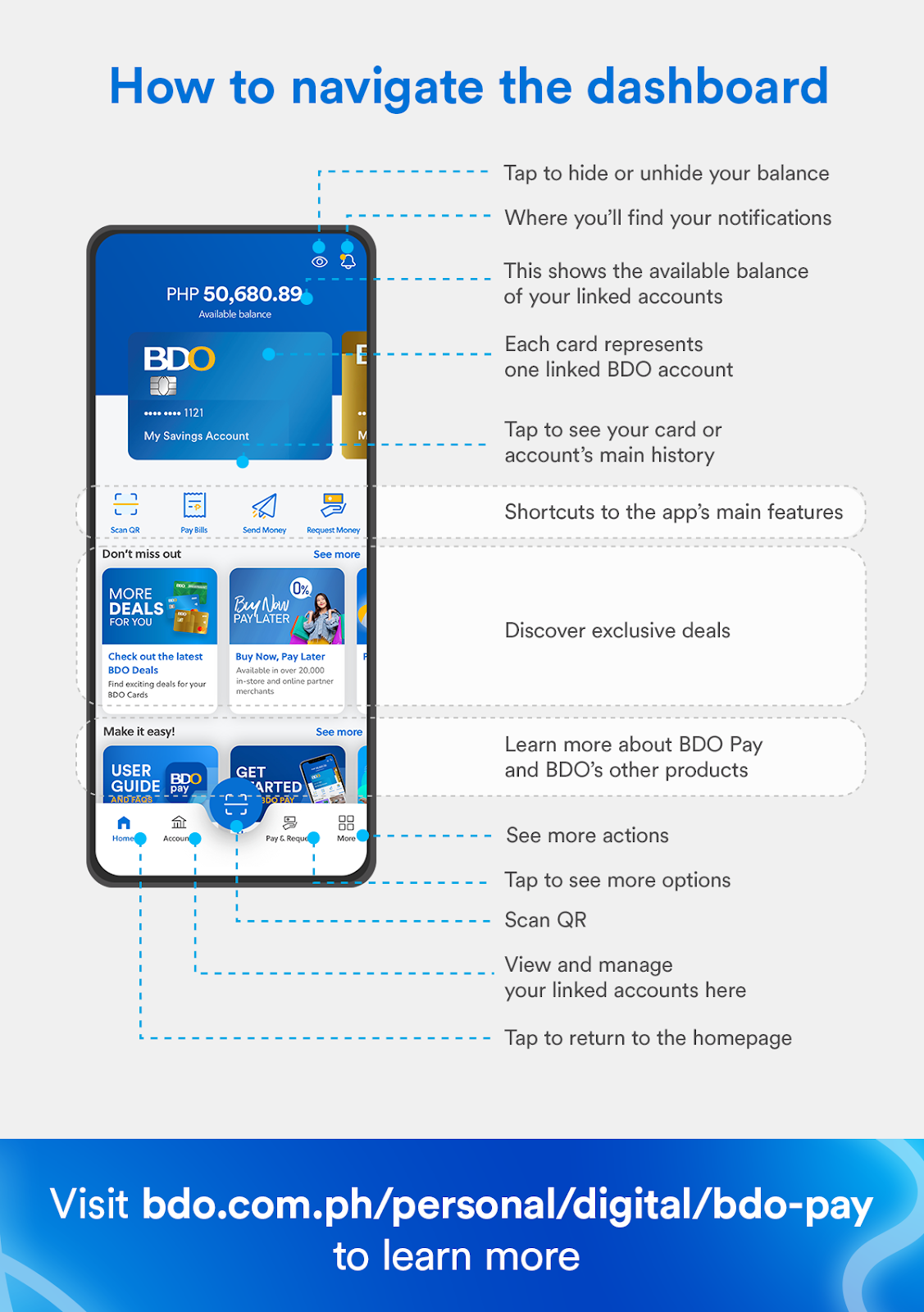
After signing up for the new BDO pay app, they send you a welcome email with a few quick tips on navigating and using it.
Renewal Email Sequence
Customers will often forget that the free trial or service they signed up for is about to expire. Renewal email sequences give a gentle reminder and a clear course of action they can take.
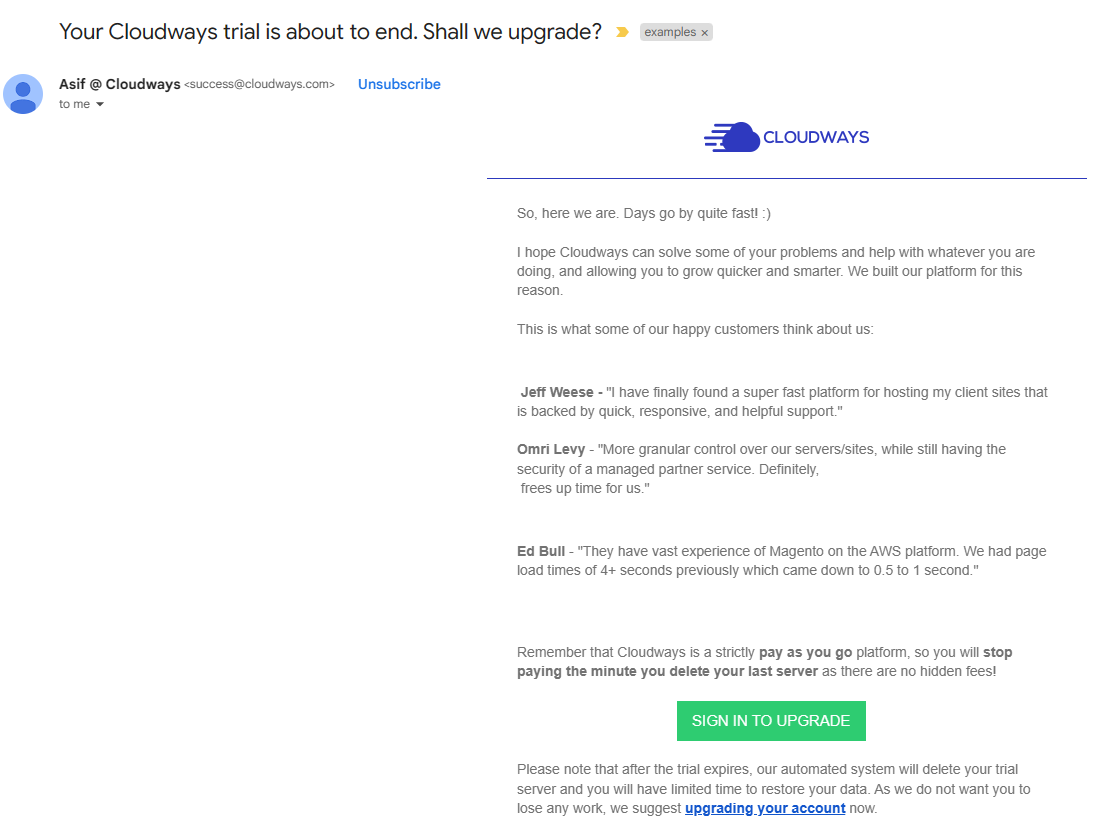
Here, Cloudways sends a reminder that the free trial is about to end. They also use this email to showcase satisfied users' testimonials.
Just below the clear CTA, they also incorporated FOMO by saying, “Please note that after the trial expires, our automated system will delete your trial server.”
Abandoned Cart Email Sequence
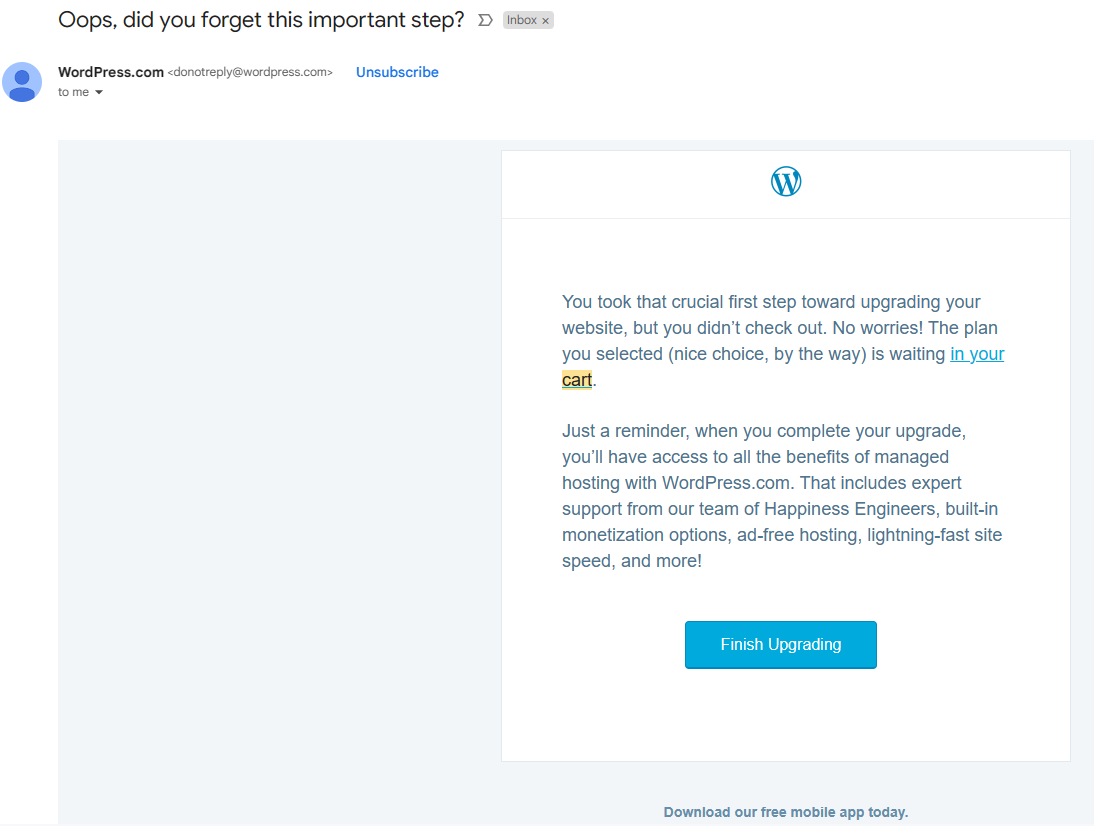
Abandoned carts mean unrealized profits for your business. A simple reminder can nudge customers into making that final decision that could result in a sale.
To improve the abandoned cart sequence, include why the customer should go through with the purchase. Focus on your product or service's benefits—like in this example from WordPress.
Nurturing Email Sequence
Nurture email sequences are great for engaging prospects and keeping your business top-of-mind. It’s built to provide value and relevant information to your audience.
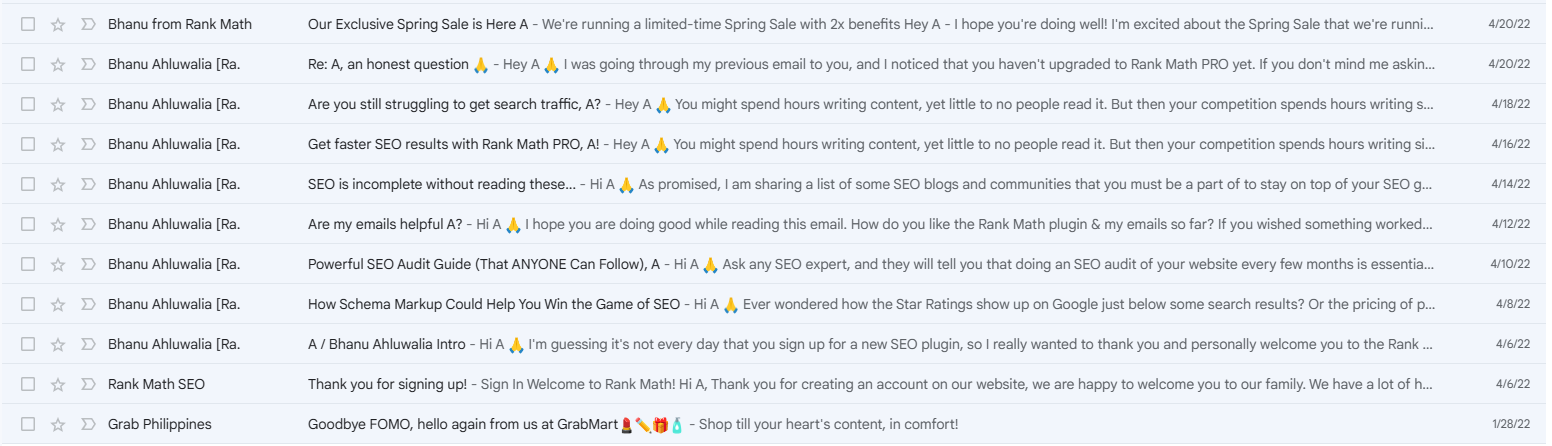
Here is a nurturing email sequence example from Rank Math. It started with a welcome email. Every two days, they send content related to beginner SEO tips. In the second week, they sent emails pitching an account upgrade and a discount.
Re-engagement Email Sequence
Are email subscribers not responding? Are they even opening your emails? When your emails are ignored, it could affect your deliverability.
Worse, it could signal service providers that your emails are unimportant or spam. To avoid such issues, we segment unresponsive leads into re-engagement email sequences.
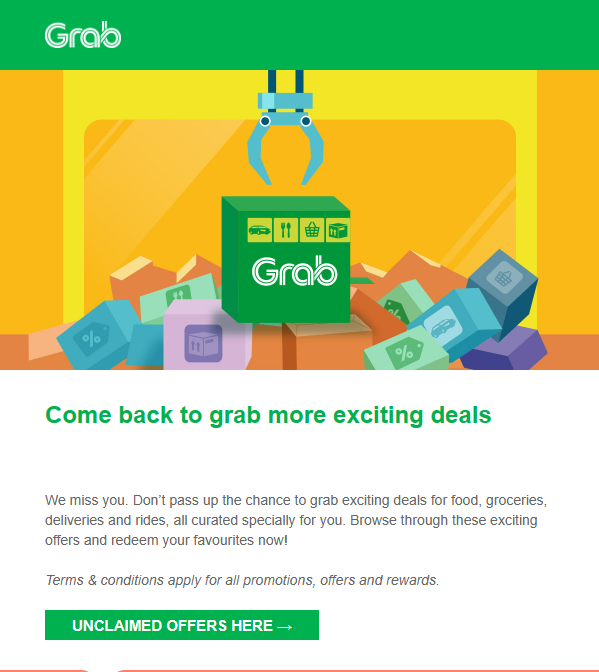
In this example, Grab sent a “we miss you” email. It did more than try to re-engage. They included a link to unclaimed offers and discounts to incentivize using their app again.
Event Email Sequence
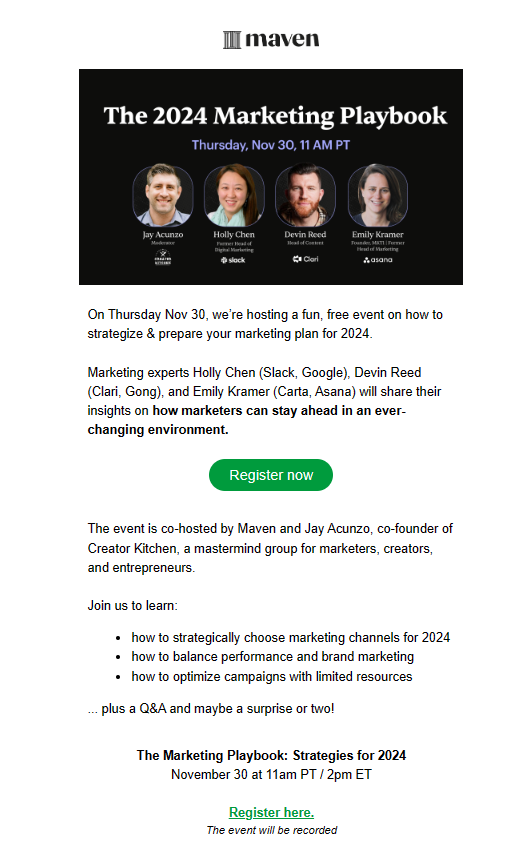
Events are excellent for engaging with a wider demographic, finding new prospects, and providing value to your audience. But people can be forgetful.
Remind them with an event email sequence. However, this sequence serves more than just a reminder. It can be used to engage prospects post-event or to invite people to an upcoming one.
Follow-up Email Sequence
Email follow-ups can be used in dozens of ways. Some might not even be related to sales. Let’s take this example from Instantly user Teodora PI, who used Instantly to solve her problems with Booking.com.
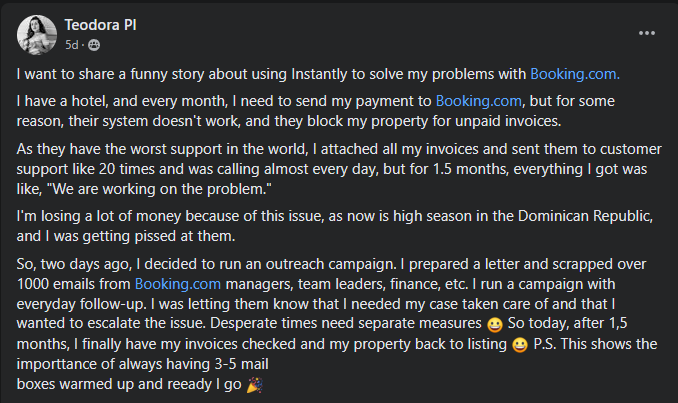
Sometimes, we need to take matters into our own hands. So, if you’ve ever encountered long delays for an order, request, or paperwork, launch a follow-up campaign with Instantly.
How to Build an Email Sequence
Start with what you actually want someone to do. That might be replying to an email, completing their account setup, renewing a subscription or booking a meeting. The goal will shape the emails you send and when you send them. If your focus is outbound sales, our guide to building a cold email sequence covers the timing, follow-ups and templates in more detail.
It also needs a clear starting point. A welcome sequence begins when someone signs up, for example, while a renewal sequence might kick in a few weeks before a subscription ends.
You can then work backwards from the goal. What does someone need to know before taking that action? There’s rarely a reason to cram everything into the first email. Spread the message across the sequence and give people a reason to keep reading.
Just as importantly, know when to stop. If somebody replies, buys, books a meeting or opts out, continuing with the same automated emails can quickly make the sequence feel disconnected.
After launch, see where people are actually engaging. If one email consistently gets replies while another gets ignored, that tells you far more than a generic rule about how an email sequence should work.
Why Use Instantly for Email Sequences?
For sales and outbound email sequences, Instantly brings prospecting and campaign execution into the same workflow. You can build targeted prospect lists using Instantly’s B2B contact database, then move those leads into cold email outreach to create personalized campaigns and automate follow-ups.
Sequences can be adapted for different audiences without manually sending every message, while multiple sending accounts can be managed as your outreach grows. Once campaigns are running, you can see which messages are getting replies and where prospects are engaging with the sequence.
Start your 14-day free trial and see how Instantly fits into your sales, cold outreach, and follow-up sequences.
Key Takeaways
Email sequences are some of the most important tools of any marketer and are central to proven marketing campaign strategies. It automates and streamlines nurturing, business communications, or follow-ups.
To ensure a successful email sequencing campaign, be sure to follow these best practices:
- Always warm up email-sending accounts to ensure the highest deliverability rates.
- Send follow-ups based on user behavior.
- Segment prospects first before launching an email sequence campaign (you don’t want leads from re-engagement campaigns on a welcome email).
- Track key performance indicators to ensure your email sequences are hitting their goals.
- Utilize an email marketing tool to automate email sequences at scale.
You get all of these and much more with Instantly.ai! Users get unlimited email warmups, unlimited sending accounts, and access to hundreds of email templates for all business needs.

Frequently Asked Questions About Email Sequences
What is an email sequence template?
An email sequence template gives you a starting point for a series of emails built around the same goal. That could be welcoming a new subscriber, following up with a prospect, reminding someone about a renewal or bringing an inactive customer back. You can then adjust the copy and timing to suit your audience.
How many emails should be in an email sequence?
There’s no set number. Three or four emails might be enough for a straightforward sequence, while onboarding and nurturing campaigns can run for much longer. What matters is whether each email has a reason to be there. If people consistently stop engaging at a certain point, it may be time to shorten or rethink the sequence.
What is the difference between an email sequence and a cold email sequence?
Email sequences are used for all sorts of communication, including welcome emails, renewals, abandoned carts and customer nurturing. A cold email sequence is more specific: it’s used to contact new prospects and typically starts with an outreach email followed by a series of follow-ups if they don’t reply.


