


When discussing the mechanics of email deliverability, a common question marketers and businesses ask is: “Should I switch to a dedicated IP?” It's understandable.
When your inbox feels shaky, and every forum has a different “definitive answer,” a dedicated IP starts to sound like a quiet, tidy solution that will make your email problems disappear. But there’s some nuance to it.
A dedicated IP can help deliverability, yes, but only if your sending volume and habits make sense for it. Like any piece of infrastructure, dedicated IPs work beautifully in the right environment and only complicate things in the wrong one.
Below, we briefly walk you through how dedicated IP pools affect deliverability, which senders they’re meant for, and how to know if you’re genuinely ready to use one.
Shared IPs vs Dedicated IPs: What Sets Them Apart?
First, it helps to understand how exactly dedicated IPs differ from shared IPs and why their differences matter in cold email marketing campaigns.
A shared IP is like renting a spot in a busy, well-run neighborhood. You benefit from the history of that street. Mail carriers already know it, and the houses look well-kept.
In practice, that means a shared IP platform monitors sender behavior, filters out bad actors, and rotates IPs before they get overused.

You get to send from an already-warmed, high-reputation environment right away. That alone helps thousands of senders reach their desired inboxes daily without ever touching an IP setting.
A dedicated IP, however, puts you in charge. It’s your own land. No neighbors and no shared risks. But also no shared sender reputation. Everything that happens on that IP is tied to you. If you manage things well, the reputation grows predictably. If you neglect it or send inconsistently, it falls apart just as predictably.
Dedicated IPs aren’t “better” by default. They’re just more controlled. And control only matters once you’re sending enough volume for it to make a difference.
What Do Dedicated IPs Help With?
Full control over your sender reputation
On a shared IP, you’re protected by the shared IP platform’s guardrails. But you’re also part of a community. If someone in that pool misbehaves, your deliverability can wobble for a bit.
With a dedicated IP, however, the entire reputation is yours alone. Every bounce, complaint, and engagement signal feeds one profile. You see the truth immediately instead of guessing whether someone else’s traffic caused a dip. Senders who like clean data love dedicated IPs for this reason.
More stable inbox placement at higher volumes
Once you hit serious sending numbers, email providers want consistency. They want to see predictable volumes, predictable behavior, and predictable engagement. A dedicated IP gives them exactly that. It becomes much easier for you to:
- Spot deliverability issues before they spread.
- Adjust your volume without affecting anyone else.
- Maintain stable performance during intense windows like Black Friday.
If you’ve ever had a big promo stalled because “deliverability looks weird today,” you understand why this matters.
Better isolation for different brands, products, or sending streams
Some businesses don’t run one type of email. They run newsletters, onboarding sequences, cold outreach, renewal reminders, product launches, partner announcements… all with different engagement profiles.
Dedicated IPs let you keep reputations separate, so one sluggish campaign can’t drag down everything else. Some teams even use multiple dedicated IPs to test different sending schedules or warm new domains without touching the main operation. It’s cleaner, safer, and gives your data actual meaning again.
Cleaner analytics and easier troubleshooting
If your inbox placement drops on a shared IP, you have to play detective. Was it you? Was it someone else? Or was it just a fluke?
With a dedicated IP, the cause is almost always you, which weirdly makes life simpler. You know exactly where to look, how to fix it, and even failed campaigns become useful.
More security and compliance breathing room
Dedicated IPs give you a clearer audit trail, which matters more the moment legal or compliance teams get involved.
Finance, healthcare, and other security-sensitive industries often require stricter control over sending environments. A dedicated IP helps you get that sorted without hassle.
Is a Dedicated IP Right for Your Business?
While dedicated IPs offer compelling benefits, they're not necessarily the right choice for every sender. For starters, they require hands-on management, unlike shared IPs that are typically managed by your email platform.
That means you’re solely responsible for warming the IP properly and monitoring performance to avoid deliverability issues. Here's how one experience marketer on Reddit puts it:

That being said, dedicated IPs are worth their investment if:
- You send at least 50,000 emails per month consistently.
- You need to isolate different departments and marketing streams.
- Email is a business-critical channel for your company.
- Your organization has strict compliance requirements around sending control.
- You operate in industries with higher-than-average spam filtering, such as finance or healthcare.
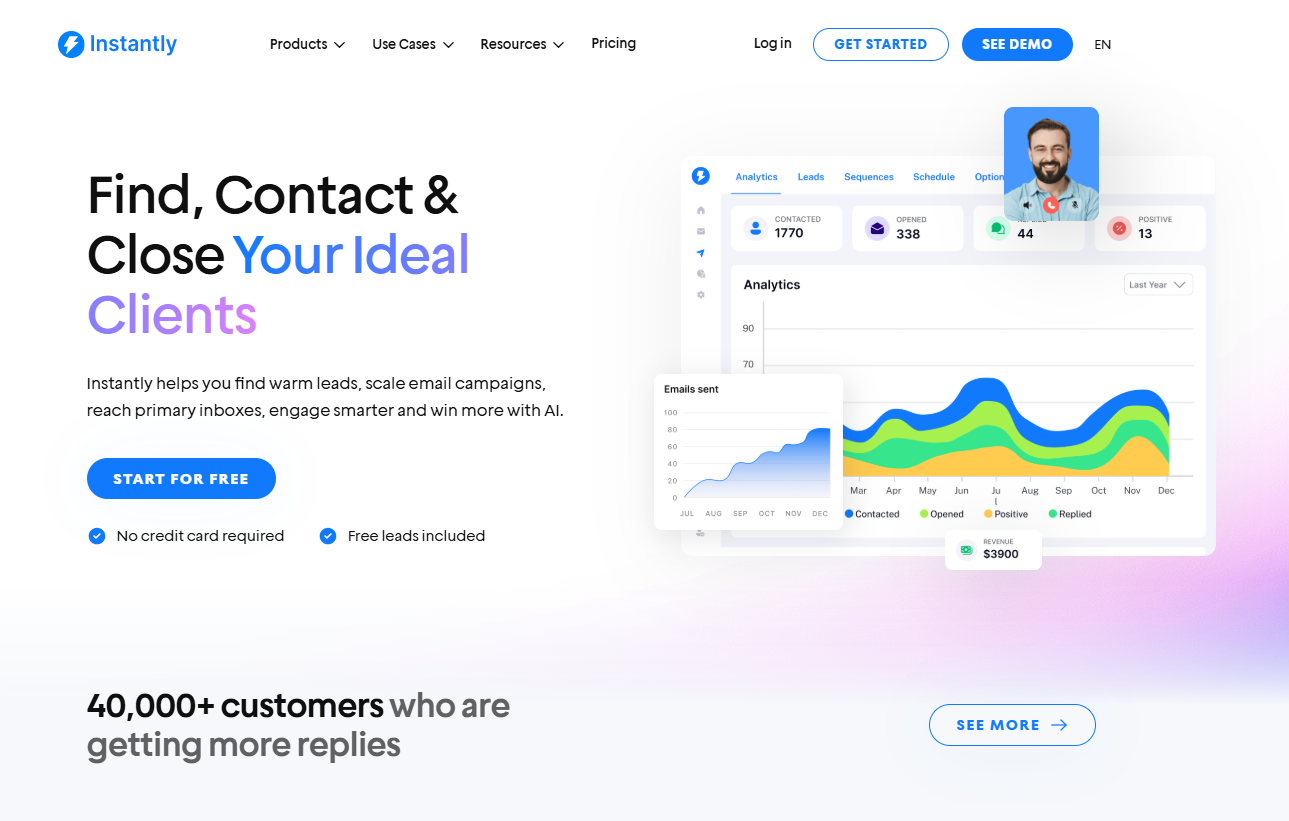
At Instantly, for example, we make it a priority to keep our shared IP pool safe, fast, and reliable for the vast majority of senders, even for high-volume campaigns.
This is thanks to our hundreds of IPs that are constantly rotated based on usage volume, sender reputation, and other relevant metrics. High-reputation IPs are preserved, while blacklisted IPs are immediately removed from the pool.
What’s more, instantly moves high-volume senders to private servers with dedicated IPs automatically once they cross certain thresholds.
No downtime. No setup. No extra cost. It all happens in the background when you’re ready for it. Which means you don’t have to “decide” on day one. You grow. Instantly handles the upgrade behind the scenes.
How To Use a Dedicated IP Properly (If You Decide You’re Ready)
If you do go with a dedicated IP, here’s how to avoid the classic traps:
- Warm it slowly. Consistent, gradual volume is your friend.
- Lock in SPF, DKIM, and DMARC on day one.
- Keep your sending steady. Big spikes look suspicious.
- Separate different types of campaigns so each reputation grows cleanly.
- Watch performance daily for the first two weeks.
- Don’t mix low-engagement lists with high-engagement lists early on.
Instantly can automate much of this, including the full authentication setup, warmup flows, and monitoring. So even if you’re not technical, you can still run a clean dedicated IP.
Most deliverability issues come from inconsistency. Email providers don’t like surprises. If your volume behaves, your reputation behaves.
Key Takeaways
Dedicated IPs are powerful when your cold email campaign is ready for them. They give you tighter control, cleaner analytics, more consistent inbox placement, and better isolation between campaigns. But if you’re sending small or inconsistent volumes, a shared IP will outperform a dedicated one every single time.
Instantly makes both options simple. New and growing senders stay in a well-maintained shared pool that keeps deliverability strong. High-volume senders get upgraded to private infrastructure automatically, without touching a single setting.
Whichever camp you fall into, the goal stays the same: land in the inbox, stay there, and keep scaling without waking up to surprises. If you want to see what that looks like in practice, sign up for a free Instantly trial and send your first campaigns in minutes.


