


Updated December 4th, 2025
TL;DR: If you run an agency and your growth depends on B2B outbound, build systems that scale accounts and deliverability, not headcount. Combine strategic cold calling with automated email outreach using clear metrics and integrated technology. We give you unlimited sending accounts on a flat fee, a deliverability network of 4.2M+ accounts, and AI-powered reply handling so you scale clients without compounding software costs.
The old "spray and pray" approach is dead. What you need is an auditable B2B outbound system built on repeatable processes, robust training, and smart technology that protects sender reputation while delivering consistent results. This guide provides the complete playbook for agency leaders to recruit, train, and manage an effective team, focusing on scalable strategies that combine cold calling execution with advanced email automation.
We'll show you how to implement systems that ensure deliverability, optimize data quality, and automate responses to drive measurable client results.
The current state of B2B outbound: Is it still effective for agencies?
B2B outbound remains highly effective when executed with modern tools and strategic discipline.
Despite predictions of its death, direct outreach through cold calling and email continues to drive significant pipeline for agencies. The key shift is moving from volume-based tactics to precision systems that prioritize deliverability, data quality, and personalized engagement. Modern tools like Instantly have transformed cold email from a manual, high-risk activity into a scalable, auditable process.
The transformation centers on three pillars:
- Deliverability infrastructure like automated warmup and inbox placement testing protects sender reputation at scale.
- Integrated lead databases with waterfall enrichment reduce bounce rates and improve targeting accuracy.
- AI-powered reply handling converts responses into meetings without manual triage.
For agencies managing 10-150+ sending inboxes across client domains, this means you can scale outreach safely.
The agencies winning today combine cold calling's high-touch rapport building with cold email's scalable automation, creating multi-channel systems where each component is measured, optimized, and auditable.
Key statistics: What the data reveals about B2B outbound effectiveness
Three data points matter most for agency operators:
- Conversion rates vary 2-5% based on list quality
- 69% of buyers accept cold outreach
- systematic coaching improves results 38%
Key statistics at a glance
| Metric | Value | Context |
|---|---|---|
| Cold call conversion rate (typical) | 2% to 4.8% | Varies by industry and targeting quality |
| B2B buyers who accept cold calls | 69% open to outreach | Receptive to initial contact |
| Buyer channel preference | 59% prefer phone | For initial B2B conversations |
| Average onboarding to competency | 9 to 15 months | Full top-performer capability |
| Coaching impact on conversion | 38% increase | With systematic coaching programs |
Why numbers vary
Conversion rate statistics for cold calling range from 2% according to general industry benchmarks to 4.8%. This variance reflects execution quality, not method viability.
Three variables drive the spread. Data quality matters most. Clean, verified contact lists with accurate decision-maker information produce significantly higher conversion rates than scraped or outdated databases. Message relevance comes second. Personalized outreach that addresses specific pain points converts at 6-20%+ reply rates versus generic blasts at 0.5-2%. Timing and persistence complete the picture. Multi-touch cadences with strategic follow-up sequences dramatically outperform single-touch attempts.
For agencies, this means your system must enforce data hygiene, enable personalization at scale, and automate consistent follow-up. When you control these variables, you move toward the higher end of conversion benchmarks.
Strategies for effective B2B outbound: An agency playbook
An auditable outbound system requires documented processes at five stages: data verification, message testing, pacing controls, team training, and performance measurement. Build these five strategies into your agency workflow:
1. Build a strong foundation: Data and deliverability
Your outreach effectiveness starts with list quality and inbox placement, not clever copy.
Data sourcing and verification:
Begin with integrated lead databases that offer waterfall enrichment across 5+ providers. Our SuperSearch feature provides access to 450M+ B2B contacts with automated verification to keep bounce rates at or below 1%. Clean data protects sender reputation and ensures your team contacts actual decision-makers.
Segment lists by firmographic and behavioral signals before launching campaigns. Create separate sequences for different buyer personas, company sizes, and industries. This segmentation enables personalized messaging at scale and improves conversion rates.
Deliverability infrastructure:
Implement a 30-day warmup protocol before sending cold outreach from new domains. Ramp daily sends from 5 to 15 to 30 per inbox over three weeks. Our deliverability network of 4.2M+ accounts provides the engagement signals needed to build sender reputation safely.
Run weekly inbox placement tests to monitor where your emails land. Track spam scores, blacklist status, and primary inbox percentage for each sending domain. If health dips below 80% primary placement, pause sends immediately, re-verify your list, and adjust your ramp plan.
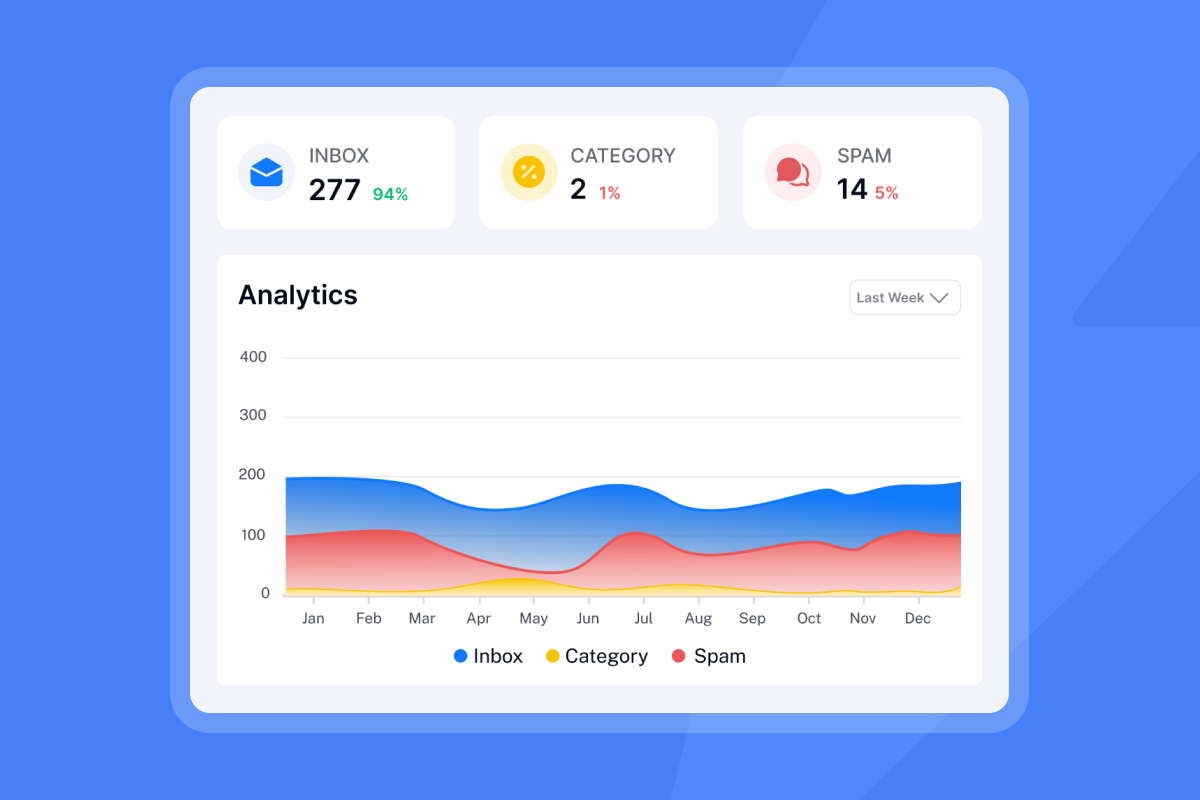
"The warmup feature is really awesome that I loved the most as it helps my emails to land directly into the inbox." - Faheem on Trustpilot
With unlimited email accounts on flat-fee pricing, you can scale from 10 to 100+ inboxes without per-seat penalties. This economic model aligns with agency growth instead of penalizing it.
2. Craft compelling messaging and offerings
Your value proposition must answer one question within three seconds: Why should this prospect care right now?
Lead with outcome, not feature. Instead of "We offer email automation solutions," try "Book 15+ qualified meetings per month without hiring SDRs." Speak to the specific pain point your research uncovered for this prospect's role and industry.
Structure cold emails with the Problem-Agitate-Solution (PAS) framework. Use this model: "I noticed [company] recently [trigger event]. Companies at your stage often struggle with [specific pain]. We help [role] achieve [specific outcome] in [timeframe]. Worth a 15-minute call [specific date/time]?" This format moves from relevance to value to ask in under 75 words.
Keep email sequences to 3-5 touches over 10-14 days. Test variants on subject lines, opening hooks, and CTAs with sample sizes of 100-200+ recipients per variant. According to A/B testing research, subject line personalization can boost open rates 26-50%, moving you from promotional to primary inbox placement.
Cold calling script framework:
Prepare flexible frameworks rather than rigid scripts. Use the four-part structure: permission-based opener ("Is now a bad time?"), research-backed hook ("I saw you recently expanded into..."), single-question discovery ("How are you currently handling X?"), and micro-commitment close ("Does it make sense to explore this for 15 minutes next Tuesday?"). Train reps to think critically and adjust their approach based on prospect responses instead of reading verbatim.
3. Implement a scalable outreach cadence
Systematic sequencing and pacing protect domains while maximizing coverage.
Email pacing rules:
Never exceed 30 emails per inbox per day. Spread sends across local business hours (8:30 AM to 5:00 PM in prospect timezone) to mimic human behavior. Use random delays between sends (2-15 minutes) rather than batch blasts at round hours.
Deploy spin syntax for variation across similar emails. This technique changes phrasing, word choice, and sentence structure while maintaining message integrity, helping you avoid spam filter pattern detection.
Phone dialing cadence:
Structure calling blocks in 2-hour windows during prospect peak availability (9-11 AM and 2-4 PM local time). Target 50-80 dials per rep per day, expecting 10-15 connects and 3-5 meaningful conversations. Use direct dial tools and referral language to bypass gatekeepers when appropriate.
Multi-channel orchestration:
Structure your cadence to alternate channels strategically. Day 1 might be an email, day 3 a LinkedIn connection, day 5 a phone call, day 7 another email, day 10 a final phone attempt, and day 14 a breakup email. This multi-touch approach increases total touchpoints without overwhelming any single channel.
Track activity in your CRM with clear documentation of every touchpoint. This creates auditability and prevents duplicate outreach to the same prospect across different client campaigns.
"It has all the tools needed for cold outbound in one place. Previously, I was running 3 different systems to get a fraction of the results." - James L. on G2
Our unlimited email accounts with flat-fee pricing eliminate the per-seat tax that traditionally destroyed margins as teams grew.
4. Train your team for high performance
When hiring for your agency or training junior staff, screen and develop these six competencies: research proficiency, communication clarity, rapid rapport building, adaptive thinking, resilient positivity, and objection mastery.
Structured onboarding timeline:
Average sales onboarding takes 90 days for initial readiness, 4.5 months to ramp up productivity, and typically 9-15 months to reach full competency as a top performer according to Rain Sales Training. Plan your training modules to hit clear milestones at 30, 60, and 90 days.
Core curriculum components:
Your training program must cover product knowledge, your unique sales process, communication techniques, confidence building, prospect research methods, and sales technology proficiency. Include dedicated sessions for rapport building and objection handling with role-playing exercises.
Provide clear call scripting guidance and problem-focused value propositions rather than generic pitches. Train on compliance requirements including Do-Not-Call regulations to protect your agency and clients from legal risk.
Phone-specific skill building:
Train reps on the four-part cold call structure detailed above. Practice gatekeeper bypass using direct dial tools and referral language ("John in operations suggested I reach out..."). Record voicemail templates that create curiosity without revealing full pitch: "Hi [name], this is [your name]. I have a quick question about [specific challenge]. Call me back at [number]."
Role-play the five most common phone objections with three response paths each. For "We're all set," train the probe: "I appreciate that. What solution are you currently using for [specific problem]?" For "Send me information," train the reframe: "Happy to. Before I send the wrong materials, can I ask two quick questions to make sure it's relevant?" This practice builds confidence before burning live prospects.
Hands-on practice:
Role-playing in controlled environments builds confidence before live calls. Create realistic scenarios that mirror common objections and difficult conversations. Have coaches or AI-powered systems simulate prospects to give reps practice without burning leads.
Record all practice sessions and review them with targeted feedback. Identify successful elements, pinpoint improvement areas, and suggest actionable strategies for future attempts.
5. Monitor, analyze, and optimize
Auditable systems require measurement at every stage, not just final conversion.
Core KPIs to track:
Monitor email open rates (target 40%+), reply rates (target 5%+), bounce rates (keep below 1%), and meeting-booked rates. For calls, track connects per hour, conversations per connect, and meetings booked per conversation. Measure talk-to-listen ratio on recorded calls, targeting 40% rep talk time and 60% prospect speaking time.
Use conversation intelligence platforms to analyze call recordings for talk-time ratios, filler word usage, and customer sentiment. Track specific phrase usage and keyword mentions to ensure reps deploy coached techniques in live situations.
Calculate cost per meeting as your north star agency metric. Divide total outreach costs (software + labor + data) by meetings booked. This number tells you whether your system is profitable and where optimization delivers the highest ROI.
Run weekly performance reviews with each rep, comparing their metrics to team averages and individual goals. Document every coaching session with action plans and follow-up dates to create an auditable improvement trail.
For a complete video walkthrough of setting up a scalable cold email system, watch this full Instantly tutorial on YouTube.
Attributes of successful B2B outbound specialists
High performers share six core competencies that distinguish them from average reps.
- Research proficiency: Top performers thoroughly research target businesses, industry trends, and decision-maker backgrounds before initiating contact. They reference specific company details in their outreach, making relevance immediately obvious.
- Communication clarity: Effective cold callers demonstrate clarity, brevity, and active listening. They articulate value propositions in 30 seconds or less and ask more questions than they answer, maintaining talk-to-listen ratios favoring prospect speaking time.
- Rapid rapport building: The ability to quickly establish trust and connection separates good from great. This skill encourages prospects to share information and engage authentically rather than deflecting with standard objections.
- Adaptive thinking: Success requires the ability to provide meaningful responses and adjust communication style to align with different industries, company cultures, and individual personalities. Rigid script-readers fail when conversations go off-script.
- Resilient positivity: Given frequent rejections, mental fortitude and resilience are non-negotiable. Top performers view rejections as data points, not personal failures, and maintain energy across 50+ daily outreach attempts.
- Objection mastery: The skill to confidently address and navigate common objections is paramount for advancing conversations. Rather than folding at "not interested," successful reps probe deeper to uncover the real objection and address it with tailored responses.
"I appreciate Instantly's really good user interface, which enhances my experience by being easy to navigate and intuitive, making it much simpler to manage. I also value their excellent customer support, which ensures that any issues I encounter are resolved promptly." - Verified User on G2
When recruiting, screen explicitly for these six attributes through role-playing scenarios and behavioral interview questions. During onboarding, assess and develop each competency with targeted training and measured improvement plans.
B2B outbound vs. other outreach methods: A comparison for agencies
Different lead generation strategies serve different goals. Here is how direct outreach stacks up for agencies.
Comparison table: Outbound vs. inbound vs. social selling
| Criteria | B2B Cold Outreach (Email + Phone) | Inbound Marketing | Social Selling (LinkedIn) |
|---|---|---|---|
| Speed to first meeting | 2-4 weeks with proper warmup | 3-6 months to build pipeline | 4-8 weeks for relationship building |
| Scalability for agencies | High with automation | Medium, content-intensive | Low, manual and time-consuming |
| Control over targeting | Full control of ICP and timing | Depends on content reach | Moderate, requires active engagement |
| Cost structure | Flat-fee tools scale efficiently | High content production costs | Time-intensive, hard to delegate |
| Best for agencies when | Client needs meetings within 60 days and clear ICP exists | Client has 6+ month timeline and content budget | Relationship-based sales with long cycles |
- When to prioritize cold outreach: Use direct outreach when clients need meetings booked within 30-60 days, when you have clear ICP definitions with available contact data, and when you can enforce proper deliverability protocols. It provides the fastest path from launch to booked calendar.
- When to complement with inbound: Layer inbound content for credibility and SEO presence, but do not rely on it as your only lead source. The limited time prospects spend with suppliers means you cannot wait for them to discover you organically.
- When to add social: Use LinkedIn for relationship nurturing after initial cold contact. Social touchpoints add credibility between email and phone attempts, but the manual effort makes it difficult to scale across 10+ client accounts simultaneously.
For agencies, cold outreach delivers the predictable, measurable pipeline clients pay you to generate. Other channels support and amplify, but direct contact drives immediate results.
Learn more about 12 B2B lead generation strategies and how they work together in this comprehensive video.
Addressing the nuances: ROI, compliance, and AI in outbound
Three critical considerations separate amateur from professional agency operations.
Calculating ROI for your outbound efforts
Cost per meeting is your primary agency health metric. Calculate it by dividing total monthly outreach costs by meetings booked. Total costs include platform subscriptions, lead data credits, sending infrastructure, labor hours spent on campaign setup and optimization, and time spent in actual outreach activities.
For a typical agency setup, traditional SDR-based approaches cost $369 per meeting when you account for annual SDR costs exceeding $88,600. With our flat-fee model at $37-$97/month plus lead credits, agencies running 50 inboxes pay under $2,000/month in software costs. At 30 meetings booked per month, that's $67 per meeting in platform costs before labor, an 82% reduction versus the SDR model. Track this metric weekly and optimize the variables you control.
The role of AI in modern outbound
AI transforms outbound when applied to specific workflow bottlenecks. AI Reply Agent handles lead responses in under 5 minutes, automatically classifying interest level and generating appropriate follow-ups. This removes manual email triage and ensures no warm lead waits hours for response.
AI enables hyper-personalization across hundreds of prospects, generating custom opening lines based on company data and recent news. Conversation intelligence provides real-time feedback during calls, suggesting objection responses and tracking adherence to proven frameworks.
"Simple and well-designed UX, effective support from both humans and AI for small questions. Additionally, the AI is capable of entering campaign configurations and applying fixes, which is a huge time saver!" - Guillaume N. on G2
Watch this breakdown of how Alex Hormozi approaches cold email for additional strategic context on modern outbound execution.
How we built Instantly for agency operators
We built Instantly to solve three pain points agency operators mention most: compounding costs, deliverability uncertainty, and tool sprawl.
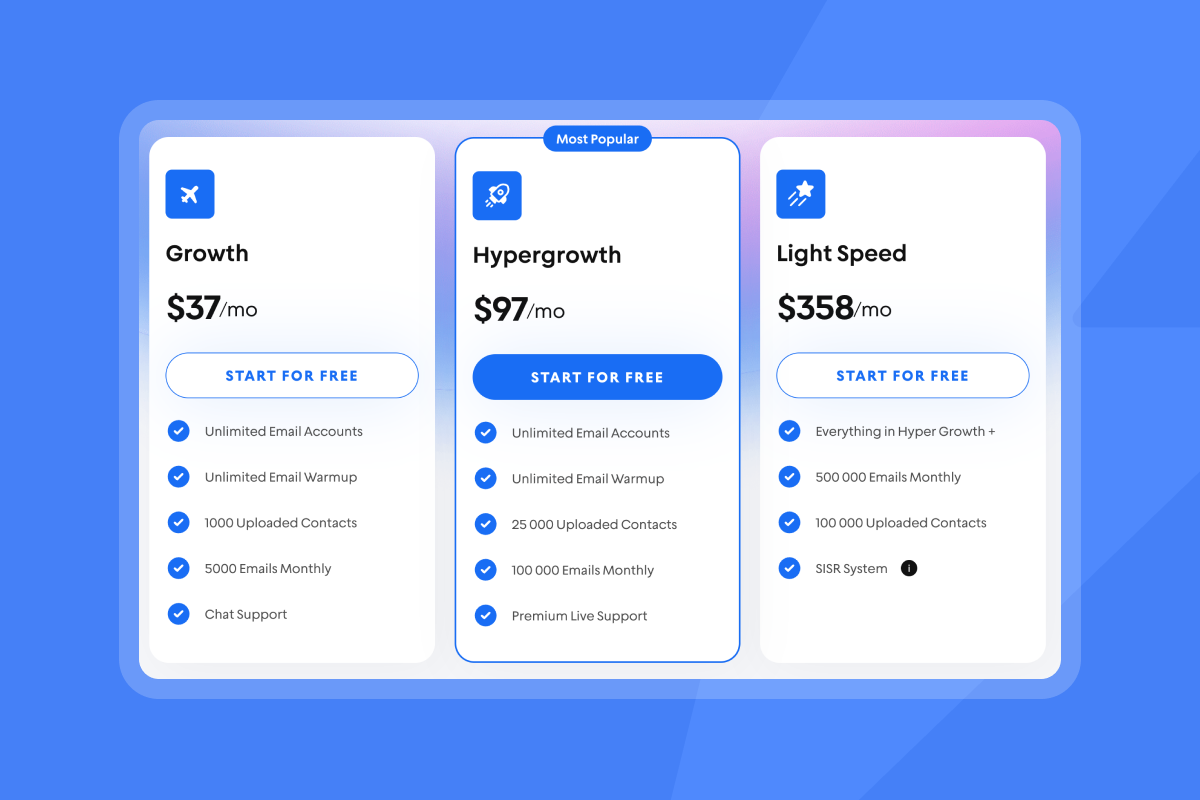
Our Growth plan starts at $37/month with unlimited email accounts and built-in warmup. Scale from 10 to 150 client inboxes without your software costs growing linearly. Our private deliverability network protects sender reputation through automated engagement. We integrated SuperSearch with 450M+ verified contacts, AI Reply Agent for sub-5-minute response handling, and Unibox for centralized inbox management. This eliminates tool sprawl and creates predictable flat-fee economics as you scale.
"Very responsive staff and extremely effective email warmup and sending capabilities. DFY domains are also offered." - Chinmay Krishna on Trustpilot
Build your auditable outbound engine
You don't build an auditable B2B outbound system on hope. You build it on documented processes, measurable KPIs, and proven technology.
Start with clean data and deliverability infrastructure that protects sender reputation. Implement structured onboarding that brings new reps to productivity in 90 days with clear milestone tracking. Deploy systematic coaching methodologies that measure conversion improvement, objection handling success, and skill adoption rates. Combine phone calling for rapport building with email automation for scale.
Ready to build an auditable, scalable B2B outbound system that consistently books meetings for your clients? Try Instantly and use unlimited accounts, built-in warmup, and AI-powered reply handling to drive predictable growth without per-seat penalties.
FAQs
How long does it take to onboard a new cold caller to full productivity?
Expect 90 days to initial readiness, 4.5 months to solid ramp, and 9-15 months to top performer status. Structured training with 30-60-90 day milestones accelerates this timeline significantly.
What is a realistic cold call to meeting conversion rate for B2B?
Industry benchmarks range from 2% to 4.8% depending on data quality and targeting precision. According to Sales Coach Network, agencies with systematic coaching can improve conversion rates by 38% from baseline.
How many emails can I safely send per inbox per day?
Never exceed 30 emails per inbox per day. Start new domains at 5 per day during warmup, ramp to 15 after two weeks, then 30 after 30 days with consistent inbox placement above 80%. When managing 10+ client domains, stagger warmup start dates so you can scale total volume while keeping per-inbox limits safe.
What metrics prove coaching is actually working?
Track conversion rate improvement, objection handling success rates, and specific skill adoption frequency in live calls. Use conversation intelligence to measure talk-to-listen ratios and sentiment analysis during key call moments.
How do I calculate cost per meeting for agency outbound?
Divide total monthly costs (software subscriptions, lead credits, labor hours) by meetings booked. Flat-fee platforms can reduce cost per meeting by 50%+ versus per-seat competitors as you scale inbox count.
Key terminology glossary
Sender reputation: The trustworthiness score email providers assign to your sending domain and IP address, determining inbox placement versus spam folder filtering.
Warmup protocol: A systematic process of gradually increasing send volume from new email accounts while generating positive engagement signals to build sender reputation safely over 30 days.
Inbox placement rate: The percentage of sent emails that land in the primary inbox versus promotions or spam folders, with 80%+ considered healthy for cold outreach.
Waterfall enrichment: A lead data verification method that checks contacts across multiple data providers sequentially until valid information is found, reducing bounce rates.
Talk-to-listen ratio: The proportion of time a salesperson speaks versus listens during calls, with successful cold callers maintaining lower ratios to demonstrate active listening.
Conversion rate: The percentage of cold outreach attempts (calls or emails) that result in a desired outcome, typically a booked meeting for B2B outbound campaigns.
Cost per meeting: The total outreach costs divided by meetings booked, serving as the primary ROI metric for agency outbound systems and client profitability.
Spin syntax: A text variation technique that randomly selects alternative phrasing, words, and sentence structures to avoid spam filter pattern detection across similar emails.


