


Updated December 11, 2025
TL;DR: Booking 15 demos in 10 days requires a 3-step blueprint: attract high-quality leads with content and SEO, qualify and nurture them with targeted sequences, and convert engaged prospects into meetings using automated outbound. Instantly makes this process repeatable with unlimited email accounts, a 4.2M+ deliverability network, SuperSearch with 450M+ verified contacts, and an AI Reply Agent that handles responses in under five minutes. Agencies and sales teams use this system to safely scale campaigns without per-seat penalties or tool sprawl.
Booking 15 qualified demos in 10 days sounds impossible when you're juggling client domains, deliverability fears, and tool sprawl. One agency operator did exactly that by combining strategic inbound attraction with automated outbound conversion. No magic. No spam folder. Just a repeatable 3-step blueprint and the right execution platform.
The secret is integrating inbound tactics that build your pipeline with outbound execution that converts warm leads into booked meetings at speed. When you combine both approaches with the right automation platform, you produce consistent results without burning domains or compounding costs.
This guide walks you through the exact blueprint and shows how our platform accelerates each step with persona-specific playbooks you can use to replicate the "15 demos in 10 days" outcome.
What makes a lead generation blueprint effective in 2025
An effective lead generation blueprint combines inbound attraction with outbound conversion in a repeatable system. You create content that draws prospects researching solutions, capture their information through value exchanges, then use targeted automation to convert warm interest into booked meetings. The integration is critical: inbound builds credibility and fills your pipeline with signals, while outbound turns those signals into conversations at speed.
Successful blueprints rest on three pillars: verified contact data that keeps bounce rates under 1 percent, warmed sending infrastructure that lands messages in primary inboxes, and automated sequences that adjust pacing based on engagement. When you execute all three consistently, you produce measurable outcomes such as 5 percent plus reply rates and meetings booked in days rather than weeks.
The key difference from ad hoc tactics is the system view. You define inputs such as domain age and list size, map steps with clear health checks, then track outputs like demos per week. This approach lets you diagnose problems fast and scale safely across multiple clients or campaigns.
Who needs a systematic approach to booking qualified demos
This blueprint serves three core personas. Agency operators manage 10 to 150 plus sending inboxes across client domains and need to deliver pipeline on command without burning sender reputation. Sales leaders at B2B companies require predictable meeting flow to hit quarterly targets and justify headcount. Founders scaling lean teams want demo velocity without compounding per seat costs or tool sprawl.
All three face similar constraints: tight budgets, domain health risks, and pressure to show ROI within weeks. They juggle data sources, warmup protocols, and CRM hygiene daily. A repeatable blueprint removes guesswork and turns execution into a checklist anyone on the team can run.
Why traditional lead generation methods fail to book demos fast
Pure inbound lead generation is too slow. Publishing content and waiting for organic discovery takes months to build traffic, and conversion from visitor to meeting request averages 2 to 5 percent even with strong offers. Founders and sales teams cannot afford six month ramp times when quotas are quarterly.
Unstructured outbound creates different problems. Blasting cold lists without warmup triggers spam filters and damages sender reputation permanently. Using five disconnected tools such as separate warmup, enrichment, sequencing, and reply handling compounds cost and introduces errors at each handoff. One missed step such as skipping list verification or ignoring bounce rate thresholds can burn a domain in days.
The core failure is lack of integration. Inbound builds awareness but does not close the loop to meetings. Outbound converts fast but collapses without clean data and pacing discipline. The blueprint solves this by treating both as phases of one system with shared metrics and automated handoffs.
The 3-step blueprint for rapid demo booking
This blueprint integrates inbound attraction with outbound conversion to produce qualified demos in days, not months. Each step builds on the previous one, and the entire system depends on clean data, strong deliverability, and automated follow-up.
Step 1: Attract and capture high-quality inbound leads
You need to draw your ideal prospects to owned properties by publishing content that solves their problems and ranks in search engines. You're building a pipeline of prospects who already trust you enough to engage.
Publish problem-solving content that addresses specific ICP pain points. Write blog posts, guides, and case studies optimized for search terms your prospects use when evaluating solutions. Brands build authority by consistently publishing educational resources that rank for high-intent keywords. SEO remains a top inbound tactic because organic visibility compounds over time.
Offer lead magnets like templates, ROI calculators, or checklists in exchange for contact information. Lead magnets drive conversions when they provide immediate, actionable value. Share content on LinkedIn and relevant communities where your ICP gathers.
How our platform fits: Once you capture inbound leads, enrich them with our lead finder tool. SuperSearch gives you access to 450M+ verified B2B contacts and uses waterfall enrichment across 5+ providers to fill data gaps, validate emails, and segment leads by firmographics.
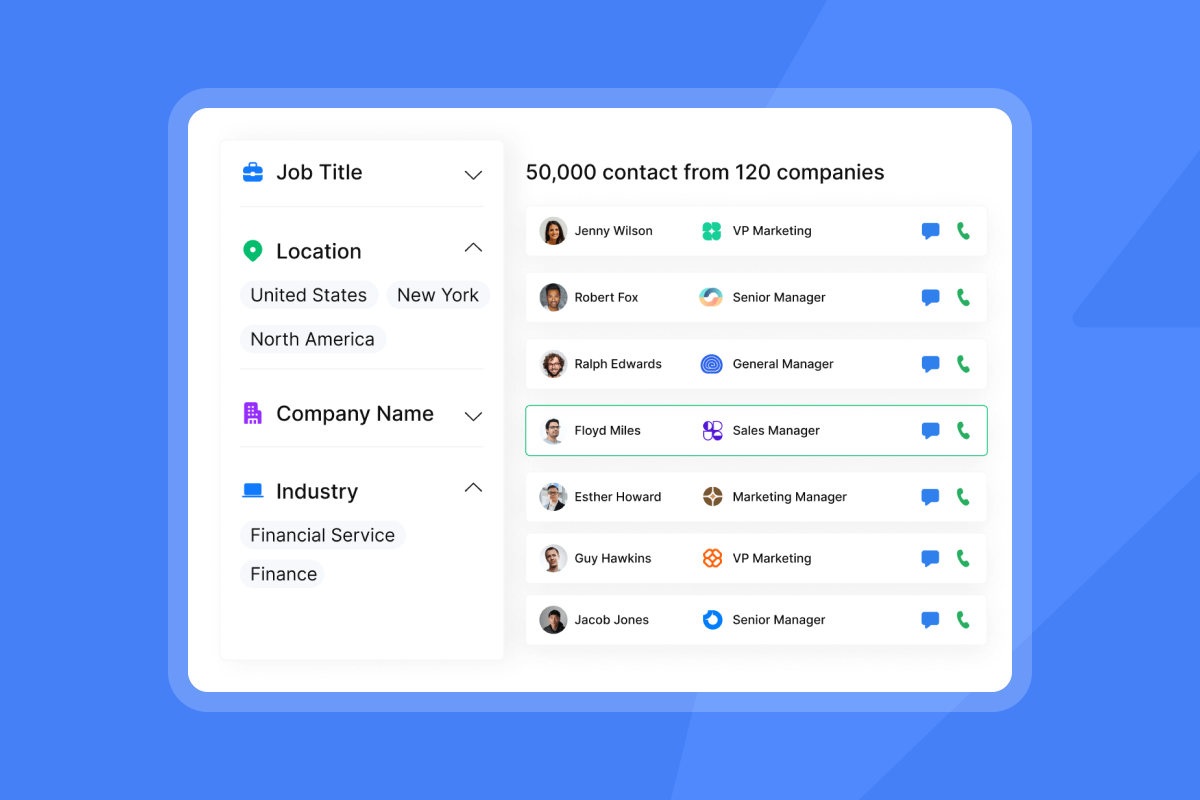
Watch this 8-minute walkthrough to see how SuperSearch filters and exports verified lists in our full platform tutorial.
Step 2: Qualify and nurture leads with precision
Attracting leads is only half the battle. You need to qualify them, segment by intent, and nurture them toward a buying decision. This step separates curious browsers from serious prospects ready to book a demo.
Score and segment leads based on engagement signals like content downloads, email opens, and website visits. Build email workflows that deliver additional value over time. Personalized email nurturing guides leads through the buyer's journey by addressing objections, sharing case studies, and highlighting specific features relevant to their role.
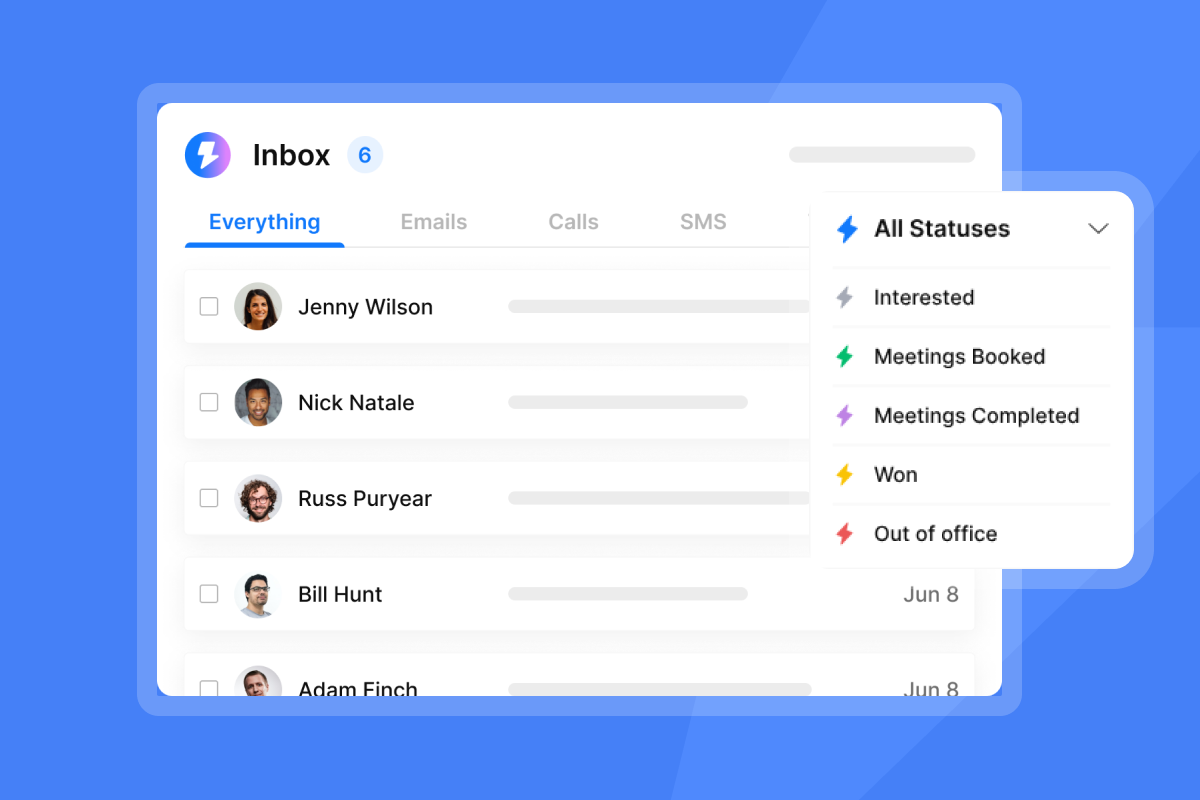
Track interactions in a unified inbox so your team can respond contextually. We built Unibox to consolidate replies from unlimited email accounts into one dashboard, making it easy to tag leads, assign tasks, and trigger follow-up sequences based on engagement. The CRM features help you manage opportunities, set reminders, and report on pipeline health without switching tools.
"I love Instantly's user-friendly layout, which makes it incredibly easy to use. Compared to other tools on the market, its interface stands out as more accessible and intuitive. I also appreciate Instantly's effectiveness in generating good quality leads..." - Aryan on G2
See how to build nurturing sequences in under 10 minutes in this beginner guide video.
Step 3: Convert leads to demos with automated outbound
This is where the "15 demos in 10 days" magic happens. You take qualified, engaged leads and convert them into booked meetings using automated outbound sequences, AI-powered reply handling, and superior deliverability.
- Warm your inboxes for 30 days before sending at scale. Gradually increase send volume and engage with our 4.2M+ deliverability network. This builds sender reputation and ensures your emails land in the primary inbox, not spam.
- Craft hyper-personalized sequences with 3 to 4 steps that include clear value propositions, social proof, and single calls-to-action. Keep each email under 100 words. Our 7-step checklist details how to personalize beyond first names by referencing recent funding, tech stack, or industry trends.
- Ramp sends strategically. Start at 5 emails per inbox per day, increase to 15 after a week, and cap at 30 once health metrics stabilize. Monitor bounce rates (keep below 1%) and reply rates (target 5%+). If metrics dip, pause, re-verify your list, and resume at lower throughput.
| Warmup Week | Daily Sends per Inbox | Target Bounce Rate | Target Reply Rate |
|---|---|---|---|
| 1 (Warmup) | 5 | <1% | N/A |
| 2 | 15 | <1% | 3-5% |
| 3+ | 30 | <1% | 5-10% |
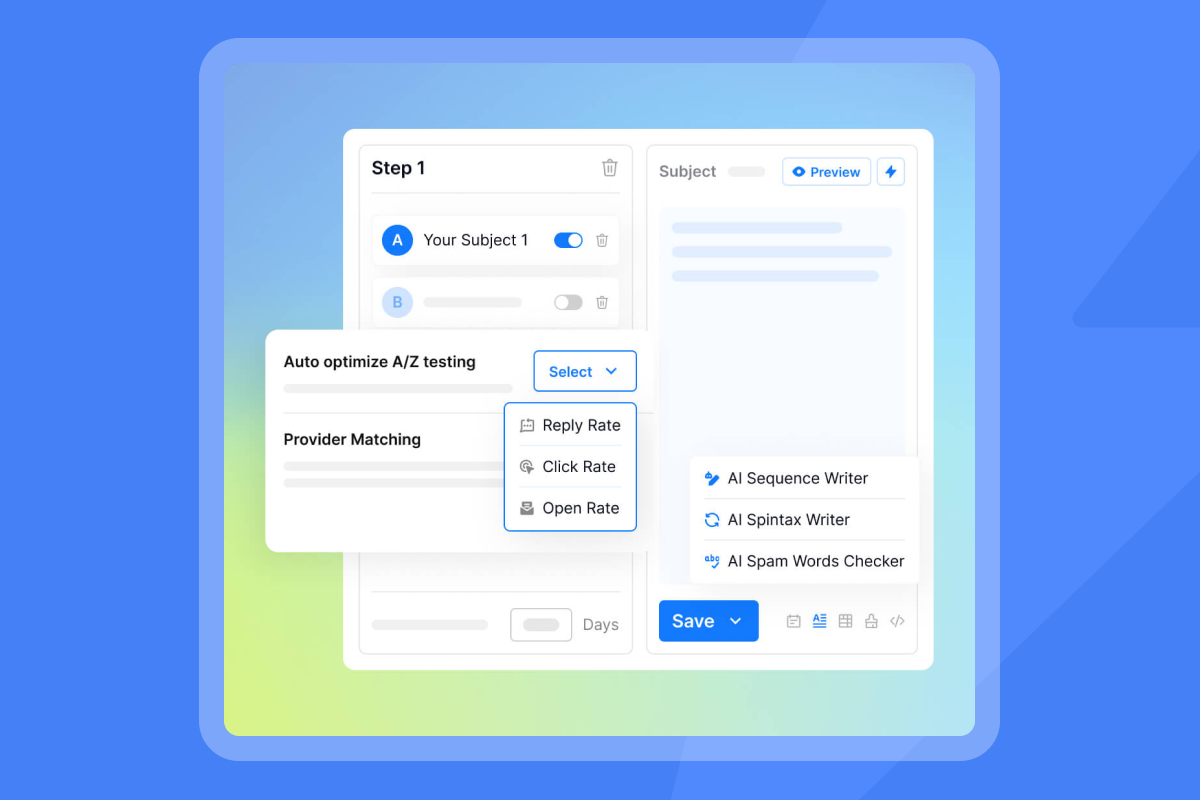
- Run A/B tests on subject lines and copy variants. Our A/Z testing feature distributes variants evenly and tracks performance in real time.
- Automate reply handling with AI. Our AI Reply Agent categorizes incoming replies as interested, not interested, out-of-office, or questions, then drafts appropriate responses in under 5 minutes. Choose Autopilot mode (AI sends immediately) or Human-in-the-Loop (AI drafts and waits for your approval). This approach cuts manual reply time by 80% while maintaining personalized conversations.
"I truly appreciate the exceptional customer support provided by Instantly. Their support is available around the clock, seven days a week, which sets them apart from many other SaaS tools that lack such comprehensive support..." - Andrew W. on G2
By week 3, if you're running 10 warmed inboxes at 30 sends/day with a 5% reply rate, you generate 15 replies daily. With a 50% meeting conversion rate on interested replies, you book 7-8 demos per day. Over 10 days, that's 70+ demos. The "15 demos in 10 days" benchmark is conservative when execution is tight.
Here's how to write personalized sequences using AI in seconds in our video on writing email sequences with AI, and watch how the AI Reply Agent handles replies automatically.
When to use inbound vs. outbound lead generation: Strategic comparison by timeline and ROI
Understanding the strengths and trade-offs of each approach helps you allocate resources and set realistic expectations.
| Dimension | Inbound Lead Generation | Outbound Lead Generation |
|---|---|---|
| Approach | Attract prospects with valuable content | Proactively reach ideal prospects at scale |
| Primary Tactics | SEO, blog posts, lead magnets, webinars, social | Cold email, calling, LinkedIn outreach |
| Lead Source | Organic search, referrals, content downloads | Verified contact lists, intent data, enrichment |
| Scalability | Scales with content volume and SEO authority | Scales with inboxes, data quality, automation |
| Time to Meeting | Weeks to months (patience required) | Days to weeks (with proper warmup) |
Your message must land cleanly and quickly when prospects have limited time for evaluation. Inbound builds trust over time while outbound creates urgency and control.
How email automation platforms accelerate the lead generation blueprint
We built our platform as the email growth engine that powers the blueprint's outbound execution. It combines deliverability, data, automation, and AI so you can scale across unlimited inboxes without per-seat penalties or five disconnected tools.
Unlimited accounts and superior deliverability
Most cold email platforms charge per seat or per inbox, destroying agency margins as you scale. We offer unlimited email accounts on all plans, so you can manage 10, 50, or 150 client inboxes under one flat fee.
Every inbox warms automatically within our 4.2M+ deliverability network, building sender reputation before you send. The Light Speed plan includes SISR (Server & IP Sharding & Rotation), which rotates outbound emails across dedicated IP pools to maintain consistent inbox placement. Automated Inbox Placement tests check where your emails land across Gmail, Outlook, and other providers in real time.
"The platform is super intuitive, easy to set up, and makes it simple to manage multiple domains and inboxes at scale. Deliverability is great and the analytics give us exactly what we need to optimize campaigns quickly." - Shaiel P. on G2
SuperSearch for targeted lead data
Our lead finder gives you access to 450M+ B2B contacts with waterfall enrichment across 5+ providers. Filter by job title, company size, industry, technology stack, and intent signals to build hyper-targeted lists. SuperSearch verifies emails before export, keeping bounce rates below 1% and protecting sender reputation. Upload CSVs to enrich existing inbound leads with missing fields like phone numbers or LinkedIn profiles.
"Instantly is extremely user-friendly. We use it regularly to contact physicians about our opportunities, and it simplifies the process of creating email campaigns from our physician lists. Additionally, we have been seeing excellent response rates." - Theo S. on G2
AI Reply Agent for efficient conversion
Manually triaging hundreds of email replies per day creates a bottleneck. Our AI Reply Agent automates classification and drafts contextual responses in under 5 minutes, freeing your team to focus on live demos and closing deals.
The AI sorts incoming emails into categories: interested, not interested, out-of-office, question, or objection. Based on the classification, the AI drafts a personalized reply that addresses the prospect's concern or schedules a next step. Choose Autopilot (sends responses automatically) or Human-in-the-Loop (drafts replies and waits for your approval via the dashboard or Slack integration).
"Simple and well-designed UX, effective support from both humans and AI for small questions. Additionally, the AI is capable of entering campaign configurations and applying fixes, which is a huge time saver!" - guillaume n. on G2
How to customize your lead generation blueprint by role: Agency vs. sales team strategies
Different roles face different constraints and goals. Here's how to adapt the blueprint for your situation.
For agency operators: Scale without penalty
You manage multiple client domains and need predictable costs as you add accounts. Per-seat pricing kills margins when you scale to 50+ inboxes.
Use unlimited accounts to onboard new clients without negotiating seat upgrades. Allocate 2-3 warmed inboxes per client and rotate campaigns across them. Use white-label portals to give clients direct visibility into campaign performance, reply rates, and booked meetings. Track cost per meeting for each client and optimize sequences based on benchmarks.
"We've been using Instantly for several months to run multi-campaign cold outreach, and it's been a game changer. Deliverability, automation, and analytics are all top-notch." - Abdulrahman Nashaat on Trustpilot
For sales leaders: Predictable pipeline growth
You need a consistent meeting flow to hit quarterly targets and want to eliminate manual prospecting bottlenecks.
Define ICPs tightly and build verified lists in SuperSearch to ensure your team contacts high-fit prospects. Standardize sequences across reps to reduce variance. Use our reporting features to monitor reply rates, meeting conversion, and inbox health by rep or campaign. Implement AI Reply Agent to handle initial qualification, letting reps focus on discovery calls.
Execute your lead generation blueprint: Start booking demos in 10 days
The 3-step blueprint works because it combines the trust-building power of inbound with the speed and control of outbound. You attract prospects with valuable content, qualify and nurture them with targeted sequences, and convert engaged leads into booked meetings using automated outbound tools.
Our platform makes this system repeatable with unlimited email accounts, a 4.2M+ deliverability network, SuperSearch with 450M+ verified contacts, and AI Reply Agent that handles replies in under 5 minutes. Agencies and sales teams scale campaigns safely without per-seat penalties or tool sprawl.
Start with one warmed inbox, 100 verified contacts, and a 3-step sequence. Monitor bounce rates, reply rates, and meeting bookings. When metrics stabilize, add inboxes and increase throughput. You can achieve the "15 demos in 10 days" outcome when you execute the blueprint with discipline and the right platform.
Ready to book your next 15 demos?
Try our platform free to implement the 3-step blueprint today. Warm your inboxes, build verified lists with SuperSearch, launch sequences with Copilot, and let AI Reply Agent handle follow-ups while you focus on closing deals. Need help getting started? Book a demo to see how agencies scale outbound campaigns across unlimited accounts.
Frequently asked questions
What is a lead generation blueprint and how does it differ from traditional strategies?
A lead generation blueprint is a systematic 3-step process that combines inbound content attraction with outbound email automation to book demos predictably. Traditional strategies rely on either pure inbound (slow) or unstructured outbound (burns domains), while a blueprint integrates both with clear ramp plans, verified data, and automated follow-ups.
How long does it take to implement a lead generation blueprint from start to first demo?
You can book your first demos in 10 to 14 days if you follow the warmup and ramp plan. This includes 7 days for inbox warmup, 3 days to build and verify your list with SuperSearch, and 4 to 7 days to launch sequences and convert replies into meetings.
What are the 3 essential steps in an effective lead generation blueprint?
Step 1: Attract and capture high-intent leads with content marketing and lead magnets. Step 2: Qualify and nurture those leads using automated email sequences with verified data. Step 3: Convert qualified leads into booked demos through cold email automation and AI Reply Agent.
Can a lead generation blueprint work for both B2B and B2C companies?
Yes, but execution differs. B2B blueprints focus on longer nurture sequences, job-title targeting, and demo booking. B2C blueprints prioritize faster conversions, broader list segments, and simpler qualification steps. The 3-step framework applies to both with adjusted messaging and send windows.
How many email accounts do I need to execute a lead generation blueprint at scale?
Start with 2 to 5 warmed inboxes to send 30 emails per day per account safely. Scale to 10 to 20 accounts as you add client campaigns or increase throughput. Instantly offers unlimited accounts at a flat fee, which removes per-seat penalties when scaling.
What metrics should I track when running a lead generation blueprint?
Track reply rate (target 5 percent or higher), bounce rate (keep below 1 percent), meetings booked, inbox placement (primary vs spam), and cost per meeting. Monitor sender reputation daily using deliverability dashboards and pause sends if health metrics dip.
Key terminology
Inbound Lead Generation: A marketing strategy that attracts prospects by creating valuable content, optimizing for search engines, and offering lead magnets in exchange for contact information.
Outbound Lead Generation: A sales strategy that proactively reaches ideal prospects through cold email, calling, and social outreach using verified contact lists and personalized messaging.
Lead Magnet: A valuable downloadable asset (e-book, template, checklist, calculator) offered in exchange for a prospect's contact information.
SEO (Search Engine Optimization): The practice of optimizing website content to rank higher in search engine results for relevant keywords.
Cold Emailing: Sending personalized outreach emails to prospects who have not previously interacted with your brand.
Ideal Customer Profile (ICP): A detailed description of the company or individual most likely to benefit from your product or service.
Sender Reputation: Email providers assign you a sender reputation score based on your sending history, bounce rates, spam complaints, and engagement metrics. This score determines whether your emails land in primary inboxes or spam folders.
Inbox Placement: The location where an email lands in a recipient's mailbox (Primary, Promotions, Spam).
Reply Rate: The percentage of recipients who respond to your email, calculated as (Replies / Delivered Emails) × 100, with 5-10% considered good and 10%+ strong.
Meetings Booked: The number of qualified demos, discovery calls, or sales meetings scheduled as a direct result of outbound or inbound campaigns.
Cost Per Meeting: Total campaign spend divided by the number of booked meetings.
Warmup: The process of gradually increasing email send volume from a new inbox to build sender reputation and avoid spam filters, typically lasting 30 days.
List Hygiene: The practice of verifying email addresses, removing bounces, and segmenting contacts to maintain data quality and protect sender reputation.
Send Windows: Optimized time frames (e.g., 8:30-10:30 a.m. local time) when prospects are most likely to open and respond to emails.
Unified Inbox (Unibox): A centralized dashboard that consolidates replies from multiple email accounts and campaigns into one view.


