


This article was last updated on July 4, 2025
Your software company builds solutions that simplify complex problems. But even the best software won't sell itself. Sure, truly innovative products will almost always draw crowds. But in an increasingly noisy market, leaving things to chance isn't ideal.
You need to get your software solution in front of the right people consistently. You need buyers who actually need what you’ve built, who are willing to listen, and who have a reason to act. You need effective lead generation strategies.
Buyers today are busy, skeptical, and already hearing from five other vendors a week. “Spray and pray” marketing won't cut it. You need proven strategies that are repeatable and built for your space.
This article briefly discusses how to do just that. You’ll learn what’s working right now for software companies, how to use cold email without sounding like a spammer, and which tools help instead of just adding noise.
Understanding the Software Market in 2025
The software market today is incredibly vast and varied, stretching from complex B2B tools to simple apps for everyday users. As of 2024, an estimated 30,800 SaaS companies are in operation, serving millions of customers globally.
On one hand, there's a huge potential customer base. Almost every business and individual relies on some form of software. That's delightful news in the longevity department. On the other hand, popularity means fierce competition.
Your startup with a brilliant project management tool? You're competing against Microsoft Teams, Slack, and Asana. Your innovative accounting software? QuickBooks and Xero already own the conversation.
These giants don't just have bigger budgets. They have decades of customer trust, brand recognition, and market share. You can't out-spend or out-promote them. But you can out-focus them.
Smart software companies win by going narrow, not wide. Instead of building "project management for everyone," they build "project management for mid-market architecture firms." Instead of "accounting software," they create "accounting software for freelance designers." This precision sets you apart from larger companies that aim for a broader, more general audience.
So, before you even think about lead generation, it's vital to ask: "Who is our audience?" The answer might have many layers, but it will bring clarity to your entire strategy. And the clearer the answer is, the sharper your strategy, and the easier it is to attract the right leads.
The Inbound Approach: Attracting Leads With a Powerful Online Presence

Most software companies know they should have a strong digital presence. But knowing isn’t the same as doing. Many still treat their online footprint as an afterthought.
A solid digital presence is easily one of the best ways to bring in high-quality leads organically. The kind that finds you, not the other way around. Let's see a few tried-and-true inbound lead generation strategies for software companies:
Your Website Experience
Before SEO or traffic even comes into play, your site needs to work well. Most visitors decide within 3 seconds whether to stay or leave. That's not enough time to explain your complex features or impressive tech stack. If a potential buyer lands on your homepage and gets confused, they won’t stick around.
Navigation should be obvious, not clever. Visitors need to find pricing, features, and contact information without hunting. Place clear calls-to-action on every page. "Start Free Trial," "Book a Demo," or "Get Pricing" work better than "Learn More."
You should also consider adding genuninely useful lead magnets like free guides, eBooks, whitepapers, checklists, trial offers, etc. You can then gate these behind email capture forms to support email marketing marketing efforts and turn your site into a lead-gen machine.
Strategic Content Marketing
The content you share is one of the main ways people who don't know your business can discover you. They might find a blog post through a search engine or have a video of yours shared with them. Once published, your content continuously works for you.
Nowadays, formats like case studies and videos win big. Nothing builds customer trust faster than seeing how your software helped similar companies save time, cut costs, or increase revenue. Include specific numbers and outcomes.
When you create content, always think about the value it offers the user. What will they gain from reading or watching it? They are giving you their time, so what are you giving them in return? The more upfront value you provide, the more trustworthy and respected your brand becomes.
SEO and SEM
You've created great content; now you want people to see it. If that content lives on your website, you need to use SEO (Search Engine Optimization) tactics. SEO helps your content rank higher for specific keywords, getting more eyes on the information you're sharing.
SEM (Search Engine Marketing) also deals with search engines but focuses more on paid advertising, like Google Ads. SEM can place your content at the top of search results for immediate visibility, but it requires careful management to avoid quickly overspending your budget.
Social Media Engagement
Your digital presence extends beyond your website and search engines. Social media plays a huge role in lead generation. The key is choosing platforms where your target audience actually spends their time. There's little point in running a TikTok campaign if your ideal customers aren't using it.
Once you've picked the right platforms, create engaging, informative, and relatable content. Treat it like any other form of content marketing: focus on providing value. After your content is out there and hopefully getting engagement, be sure to engage back. Respond to comments, ask for feedback, and work to build a real community around your brand.
The Outbound Approach: Cold Email Marketing Campaigns
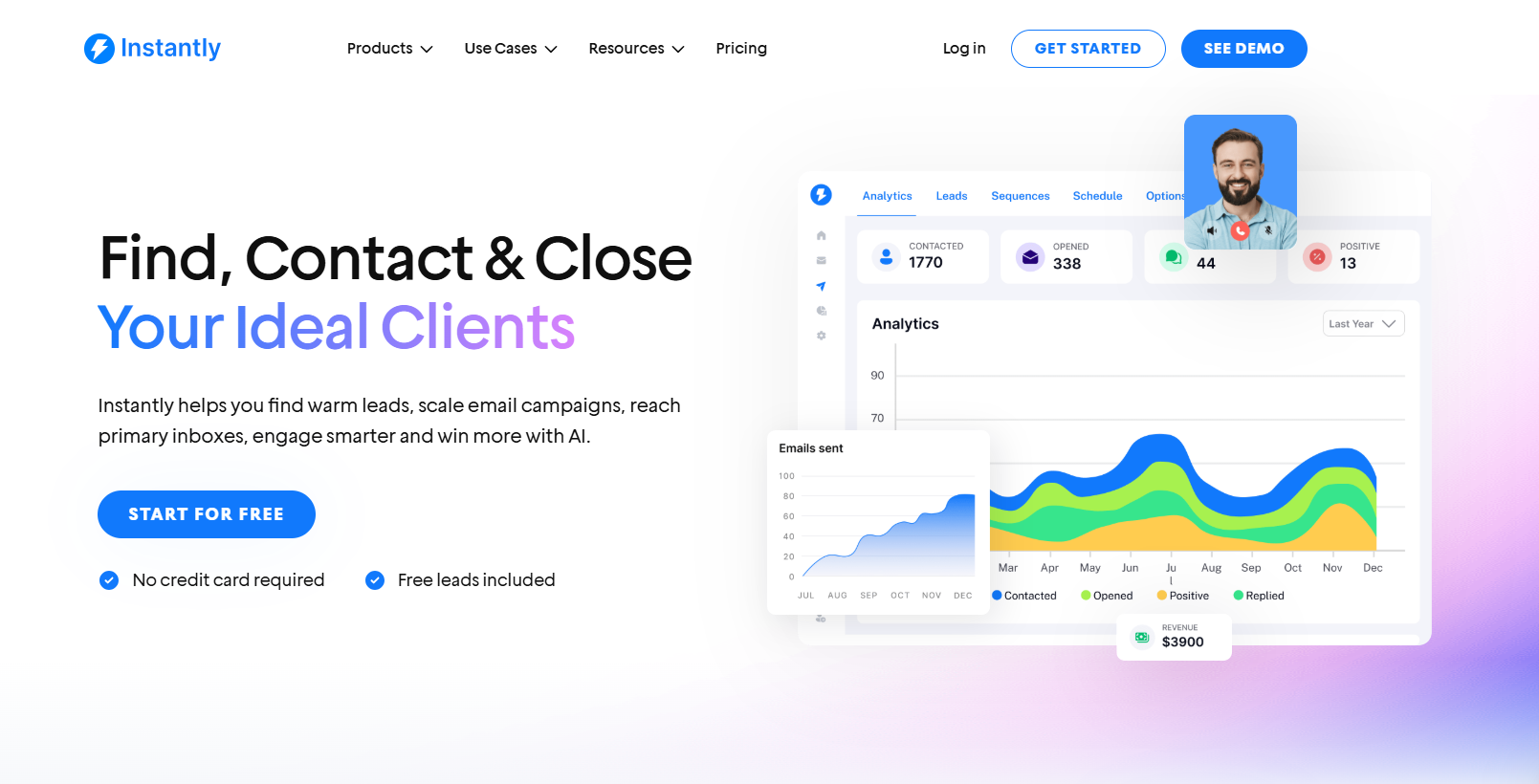
Email marketing is neither cutting-edge nor is it a brand-new innovation. This is a tried and tested method of lead generation that still works wonders today. It does, however, require a strategy of its own. Sending mass mailouts of generic templates isn’t going to get you anywhere. Instead, you need a strategy. That strategy should include:
- Personalization: At a minimum, look to address people by name. The best emails hang from a template but will include multiple personalized elements. You want the recipient of the email to feel that you’re addressing them individually.
- Segmentation: You’re already focusing on a niche. Now is the time to distill your audience even more. Break them into smaller groups or segments, and tailor your message accordingly.
- Follow-up: People rarely respond to the first cold email that they receive. They need to hear from you a few times before they consider hitting the reply button. Don’t fall into the trap of sending one email in a campaign and getting despondent when nobody replies.
- Preparation: Before you send a campaign, make sure that you have warmed up your account. You should have templates ready to use. Plus, you need to have verified your email list. The last thing you want is for your emails to hit the spam folder. If in doubt, make sure you test email deliverability.
Leveraging Modern Tools for Lead Generation
You’re not alone in the lead generation race. There is an ever-growing collection of tools that can help you manage the whole process.
- Customer Relationship Management (CRM) Tools: Salesforce, HubSpot - CRM tools are excellent for keeping track of every lead that enters into your database. Track how they first engaged, what interactions they’ve had, and where they are on their customer journey.
- Email Marketing Tools: Instantly, Mailchimp - Email marketing tools are a necessity for any software business looking to launch cold email campaigns. The best will include email warmup as standard, extensive automation, and banks of email marketing templates that you can use.
- Analytics: Google Analytics, Ahrefs - You’ll want to set goals alongside your lead generation campaign so that you can measure success. Analytics tools provide the data to track those goals. Most businesses use Google Analytics and then pair it with in-software analytics from other tools.
Key Takeaways
Lead generation for software companies is certainly multi-faceted. There are many plates to spin and considerations to bear in mind. The key, within all of this, is to deliver value. Do that, and the leads will come naturally.
- The stronger your online presence, the better your foundations for lead generation will be.
- Cold email shouldn’t be underestimated as a tool for software company lead generation.
- Don’t be afraid to lean on a dedicated tech stack to assist in your lead generation strategy.
The most efficient lead-generating cold email marketing campaigns are run using a dedicated tool. A tool that helps you to generate content, assists with deliverability, and even helps you to source prospects. That’s precisely what Instantly offers, and you can get started with it today.


