.svg)
%20(1).svg)


Who this playbook is for
Agency owners who want reliable, scalable client acquisition at lower cost per meeting using AI‑assisted cold email that respects modern deliverability and privacy rules.
Why AI matters in agency lead gen (in 2025)
AI turns the repetitive parts of outbound (research, writing, list ops, and follow‑ups) into an “autopilot,” so your team can focus on conversations and closing.
- Lead quality & speed. AI‑assisted lead discovery and enrichment help you zero in on ICPs fast (tech stack, headcount, geography, intent). Instantly’s Lead Finder taps a database of 450M+ contacts so you can source, verify, and act inside one workflow.
- Personalization at scale. AI can pull public signals to draft relevant lines and subject ideas for each prospect - then you review and approve. Instantly’s AI CoPilot is built for this.
- Consistent follow‑ups. The data is clear: sending at least one follow‑up meaningfully lifts replies. A large Backlinko/Pitchbox study found a single extra follow‑up boosted responses by ~65.8%.
Takeaway: AI doesn’t replace your team’s judgment. It handles the heavy lifting so you can invest more time in message‑market fit and conversations.
Critical compliance (and what’s changed since 2024)
Mailbox providers tightened standards in 2024. Getting these right is table stakes, especially if you send at scale.
Gmail & Yahoo bulk‑sender requirements (effective 2024)
If you send 5,000+ messages/day to Gmail, you must:
- Authenticate with SPF + DKIM + DMARC (DMARC can be
p=none). - Keep user‑reported spam in Google Postmaster Tools below 0.3% (best practice: <0.1%).
- Support one‑click unsubscribe via List‑Unsubscribe headers and add a visible unsubscribe link in the body.
- Align your From domain (DMARC alignment) and use TLS.
- Ramp volume gradually and avoid sudden spikes.
Meeting these requirements isn’t optional now, it’s a deliverability tax you pay to play and it pays off in inbox placement.
GDPR (EU)
Maximum administrative fines: €20M or 4% of global annual turnover, whichever is higher (Article 83). Build outreach on a lawful basis and be transparent about processing.
CAN‑SPAM (US)
When emailing in the U.S., include accurate sender info, a physical address, and a functional opt‑out. Each email in violation can carry civil penalties up to $53,088.
Not legal advice! Consult counsel for your jurisdiction and model use.
.svg)
Scale Your Cold Email Outreach
Connect unlimited inboxes, boost deliverability, and book more meetings with Instantly.
Start 14-Day Free Trial of InstantlyNo credit card required
The 4 highest‑ROI AI use cases for agencies
The fastest wins come from using AI to (1) build better lists, (2) personalize first touches without slowing down, (3) run consistent, respectful follow‑ups, and (4) analyze outcomes so each cohort performs better than the last. Below, you’ll find the exact plays, pitfalls, and metrics we recommend.
1) AI‑powered lead finding & enrichment
Manual prospecting is slow and error‑prone. AI narrows millions of contacts to the few thousand that match your ICP and timing, then enriches them so emails are accurate and relevant.
How it works (at a glance)
- Define a precise ICP: industry → sub‑industry → role/seniority → company size → geo → tech stack.
- Layer trigger signals: hiring spikes, funding events, technology changes, job posts, website changes, or news mentions.
- Enrich & verify: job title normalization, company metadata, direct emails, LinkedIn URLs, and bounce‑reduction verification.
- Segment into micro‑lists: e.g., “PLG SaaS, 11–50, uses HubSpot + Stripe, hiring content.” Each micro‑list gets tailored messaging.
Playbook steps
- Write your ICP like a SQL WHERE clause. If it’s fuzzy, your list will be too.
- Pull an initial universe (a few thousand contacts), then score by triggers (e.g., “hiring SEO + installed Segment”).
- Enrich and verify to keep bounces low (aim <2%). Suppress current customers and previous unsubscribes.
- Create 3–5 micro‑segments per client: each gets a unique angle, offer, and proof.
Example angle
“Saw you’re hiring a lifecycle marketer and running HubSpot + Stripe. Many teams hit attribution gaps at this stage—would a 15‑minute audit help?”
Use Instantly's Lead Finder (450M+ contacts - only pay for verified leads) to source by role, size, tech, and geography - enrich in‑app - then verify to protect deliverability. Launch segments without juggling CSVs between tools.
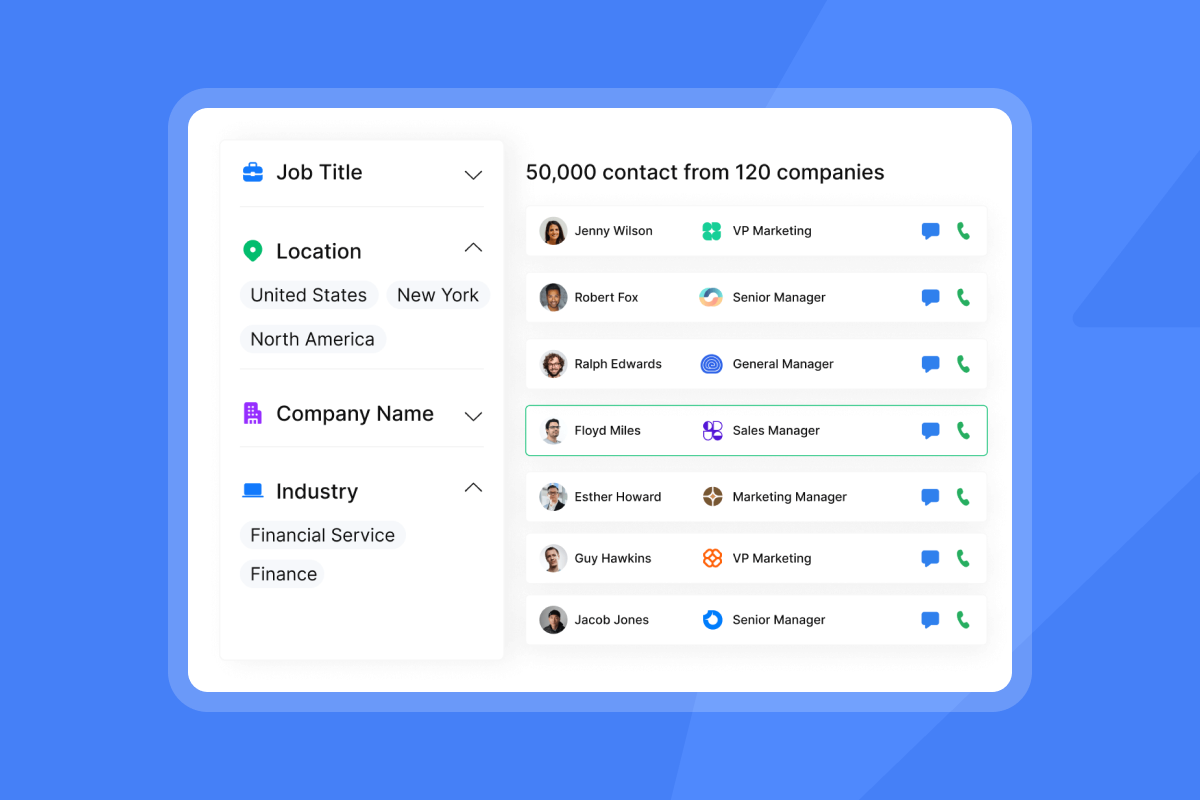
"It's also more up-to-date. with apollo, I got 15-20% outdated emails." (referring to Instantly in comparison to Apollo) - Instantly user on Reddit (November 2024)
View full comment on Reddit
2) AI‑assisted personalization (first lines, angles, and subject ideas)
Personalization drives replies but doing it line‑by‑line doesn’t scale. AI drafts relevant, non‑creepy (we've all seen them) openers and subject variations you review, approve, and ship.
Personalization types that work
- Role‑based: tie value to job outcomes (e.g., “pipeline consistency” for Heads of Growth).
- Trigger‑based: reference hiring posts, funding, tech migrations, or a new region launch.
- Asset‑based: cite a recent webinar, article, or changelog item.
- Peer‑based: name a similar company outcome (avoid over‑promising - keep it believable).
Playbook steps
- Give AI structured context (segment, trigger, 1–2 outcomes, 1 proof point).
- Generate 3–5 first‑line variants per segment, reject anything overly specific you can’t verify.
- Spin subject ideas (short, clear, earned curiosity > clickbait).
- Add light spintax to avoid templates going “stale” at volume.
- Human review for tone, accuracy, and compliance
Use Instantly's AI Writer for first lines, subject ideas, and safe spintax. Better yet, use AI CoPilot to create your entire sequence from a text-based prompt ("Vibe Outbound").
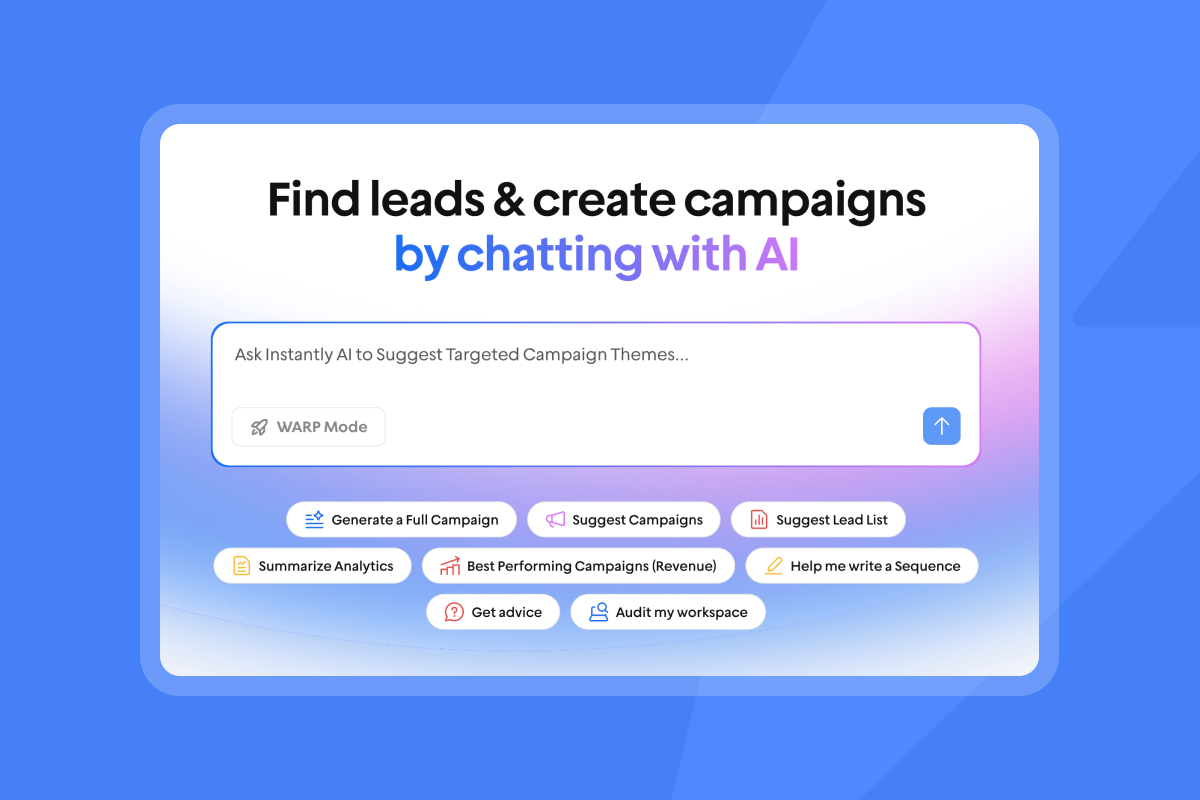
3) Automated multi‑step follow‑ups (polite, spaced, and relevant)
Most replies happen after the first email. AI‑scheduled follow‑ups keep you consistent and on‑brand without tripping spam filters or annoying prospects.
Principles
- Progress the narrative: each touch adds a new angle (social proof, quick audit, resource, ROI example).
- Respect inboxes: 3–5 touches over 14–21 days is plenty for most segments.
- Thread vs. new: default to threading for continuity, use a new subject if you introduce a distinct offer.
- Local send windows: align with recipient time zones.
- Auto‑stop rules: stop on reply, hard bounce, or explicit opt‑out (and honor unsubscribes globally).
Build sequences once, let AI scheduling optimize send times, manage conversations in Instantly's Unibox. Auto‑stop and global unsub are built‑in to protect sender reputation.
4) AI analytics & optimization (from “what happened?” to “what to do next”)
Raw metrics don’t tell you why. AI classifies replies, surfaces objections, and shows which segment + angle + asset combinations create meetings so you double down on what works.
What to analyze
- Deliverability health: inbox placement trends, bounce types, spam complaints, domain/IP reputation.
- Copy performance: subject lines, first lines, CTAs, and assets—by segment.
- Reply classification: positive / neutral / objection / not‑now / wrong‑person.
- Cohort lift: performance of each micro‑segment vs. control.
- Time to first reply and meetings per 1,000 sent.
Metrics that matter
- Positive reply % (by cohort).
- Meeting‑set rate and show rate (pipeline quality).
- Spam rate (keep it well below bulk‑sender thresholds).
Centralize analytics and reply handling with Instantly's Unibox + AI labels. Rotate senders smoothly (unlimited accounts) when you scale a winning cohort, without burning domains.
Warm‑up that actually works in 2025
Warm‑up is still about establishing trust signals: authentication + gradual volume + positive engagement so your first impressions with Email Service Providers are clean.
The modern warm‑up checklist
- Authenticate your domain(s): Set up SPF, DKIM, DMARC, plus PTR (reverse DNS) and TLS. Instantly can provision sending domains with MX/SPF/DKIM/DMARC and warm‑up pre‑configured, which saves hours.
- Ramp volume gradually: Avoid sudden spikes, increase daily sends over weeks (including after any major template or infrastructure change). That’s straight from Google’s sender guidance.
- Keep spam complaints low: Best practice is <0.1% and avoid ≥0.3%. Clean lists and clear value props matter more than clever copy.
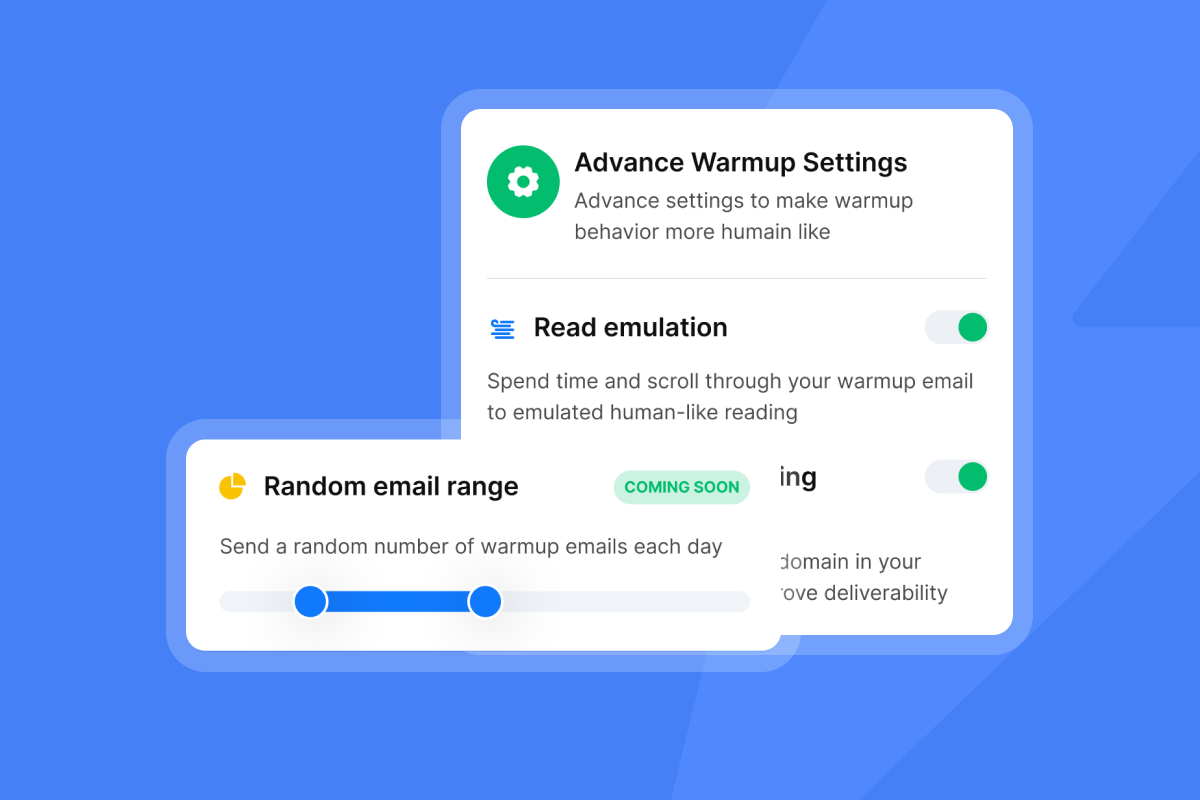
- Seed authentic engagement & avoid “spammy” patterns: Varied templates, natural conversation flows, and judicious use of links/assets are your friends. (Instantly’s deliverability network of 4.2M accounts automates positive interactions to help build sender reputation.)
Why agencies like Instantly for warm‑up: connect unlimited email accounts and distribute volume across many inboxes which reduces risk, smooths ramp‑up, and preserves domain health.
Why agencies pick Instantly over stitched‑together stacks
You cut tool sprawl, lower costs, and improve deliverability by consolidating into one platform designed for high‑volume, compliant outbound.
What stands out:
- Unlimited email accounts (flat fee). Add and rotate across as many inboxes as your scale requires. Great for multi‑client agencies
- Built‑in deliverability & warm‑up. Authentication, domain setup, automated warm‑up, and health monitoring in one place
- AI Writer & Copilot. Personalize lines, generate sequences (with spintax), and optimize copy variations quickly
- Lead Finder (450M+). Source, verify, and launch without exporting CSVs across tools
- Unibox + analytics. Manage replies across accounts and label intent automatically to speed handoffs
Illustrative cost snapshot (for a 10‑client agency)
| Scenario | Accounts | Core tools | Est. monthly spend |
|---|---|---|---|
| Stitched stack (per‑seat sending tool + separate warm‑up + lead DB) | 20+ | Multiple vendors | Varies: costs typically scale linearly with seats & inboxes. Estimated to be $400+/mo |
| Instantly Hypergrowth | Unlimited | Sending + warm‑up + AI + lead tools in one | $97 (plus any add‑ons) |
Your agency workflow (plug‑and‑play)
- Define the ICP (vertical, role, tech, region, trigger)
- Stand up sending infrastructure (SPF, DKIM, DMARC, PTR, TLS) and purchase outreach sub‑domains if needed
- Connect multiple inboxes and start warm‑up. Rotate and ramp gradually.
- Source leads (Lead Finder) and verify before import to reduce bounces
- Draft AI‑assisted lines & sequences: keep the value prop obvious and friction‑free unsubscribes in every message
- Launch with conservative daily caps across many inboxes: A/B test first lines and CTAs.
- Automate follow‑ups (3–5 touches). Expect meaningful lift from the second touch
- Triage replies in Unibox: route positive responses to calendars, log objections to improve copy
- Review deliverability weekly (spam rate, bounces, auth alignment) and content performance. Adjust quickly.
The Instantly advantage: Built for agencies
If you’re managing multiple clients, unlimited email accounts plus automated deliverability, AI personalization, and a 450M+ lead database remove the friction between ideas and pipeline. Add Unibox and analytics, and your team spends time where it matters - in conversations, not in CSVs and configs.
Start your free Instantly trial to get started with your AI-powered lead gen.
Frequently Asked Questions
Q: How many cold emails should I send per inbox?
A: Start small and ramp gradually, avoid sudden doubling or mass changes to templates or infrastructure. This aligns with Gmail’s guidance and protects reputation.
Q: What’s a good reply rate?
A: Across broad studies, average reply rates cluster between ~1–5%, with strong, well‑matched campaigns much higher. Expect step‑change gains from better targeting and thoughtful follow‑ups.
Q: Do I need one‑click unsubscribe?
A: If you send 5,000+ messages/day to Gmail, yes - add List‑Unsubscribe headers and include a visible body link. It helps deliverability and is now a requirement. This can be done with one-click inside Instantly.
Q: Is warm‑up still useful post‑2024?
A: Yes when it’s paired with authentication, gradual ramping, clean lists, and relevant content. Tools that automate positive interactions and spread volume across many accounts help, but you still need great targeting and copy.



