.svg)
%20(1).svg)


Updated January 31, 2026
TL;DR: Compliance is not a legal checkbox—it is your deliverability firewall. High spam complaints (above 0.3%) and missed opt-outs kill your domain reputation faster than any ISP algorithm. GDPR and CAN-SPAM have different triggers (consent vs. opt-out), but both share one goal: keep unwanted email out of inboxes. For B2B sales leaders, legitimate interest allows targeted follow-ups in the EU, but only if you use verified data, respect immediate unsubscribes, and automate your suppression lists. We centralize these mechanics with features like the Global Block List and Unibox, so no opt-out slips through and your team can scale without risking fines or inbox placement crashes.
Your reps are sending follow-ups, but are they building a lawsuit or a pipeline? The difference lies in three specific settings: your unsubscribe link, your suppression list, and your bounce rate. One spam report per 1,000 emails can tank your domain health. According to current Google and Yahoo deliverability standards, senders must keep spam rates below 0.1%, and anything above 0.3% triggers severe throttling or blocking. That is not a legal risk, that is a revenue risk. Compliance protects both. Every cold email outreach system that scales without domain damage treats compliance as deliverability infrastructure, not a legal afterthought. The same practices that keep you out of legal trouble also keep you out of the spam folder.
This guide breaks down exactly what is legal under GDPR and CAN-SPAM, what puts you at risk, and how to build a system that automates compliance so you can scale follow-up sequences without fear.
Why compliance is your best deliverability strategy
Most sales leaders treat compliance as a legal hurdle. That is backwards. Compliance is the foundation of inbox placement. Google's official sender requirements state that user-reported spam rates above 0.1% negatively impact delivery, and rates of 0.3% or higher have an even greater impact. If your follow-up sequences ignore opt-outs or send to unverified addresses, recipients mark you as spam. ISPs see those signals and route your future emails to junk, or worse, block your domain entirely. Instantly, the cold email platform built for compliant agency-scale outreach, centralizes these compliance mechanics with features like the Global Block List and Unibox, so no opt-out slips through as you scale.
High spam complaints do not just hurt one campaign. Once damaged, your sender reputation takes 30 to 60 days to recover through consistent, clean sending behavior. During that window, your team misses pipeline targets because emails never reach prospects.
For the complete infrastructure checklist on authentication, warmup, and inbox placement monitoring that protects your domain alongside your compliance posture, https://instantly.ai/blog/keep-reminder-emails-out-of-spam-deliverability-guide
Bounce rates compound the problem. Email service providers like Amazon Pinpoint and SES will place your account under review at 5% bounces and pause sending above 10%. Industry standards recommend keeping overall bounce rates below 2% and hard bounces below 1%. Sending to invalid addresses signals poor list hygiene, which ISPs interpret as spammy behavior.
For a framework on monitoring bounce rate, spam complaint rate, and reply latency across your sequences with step-level granularity, see this email metrics tracking guide.
Compliance fixes both issues. CAN-SPAM and GDPR force you to maintain clean data, honor opt-outs immediately, and keep your sender identity transparent. Those practices reduce spam complaints and bounces, which keeps your domain healthy. Our Inbox Placement tests automate monitoring so you catch deliverability dips before they cost you meetings. One user noted the platform's reliability:
"The email warmup feature has notably improved deliverability... I use it extensively for warming up emails and supporting marketing campaigns, which is crucial for ensuring deliverability." - Eli A. on G2
Treat compliance as a deliverability system, and your follow-ups land in the primary inbox. Ignore it, and your domain reputation burns.
GDPR vs. CAN-SPAM: A practical comparison for sales teams
GDPR and CAN-SPAM govern the same activity (commercial email), but they start from opposite principles. CAN-SPAM allows you to email until the recipient opts out. GDPR requires a lawful basis (consent or legitimate interest) before you send. Both apply to B2B follow-ups, and both carry steep penalties for violations.
| Dimension | GDPR (EU) | CAN-SPAM (US) |
|---|---|---|
| Region | European Union / EEA | United States |
| Core principle | Opt-in (explicit consent or legitimate interest required) | Opt-out (can email until recipient requests removal) |
| B2B exception | No exception, but legitimate interest applies to professional contacts | No exception—all commercial messages must comply |
| Opt-out processing | Immediately / without undue delay | Within 10 business days |
| Physical address required | Not explicitly, but sender identity must be clear | Valid physical postal address (street, P.O. Box, or USPS-registered mailbox) |
| Maximum penalties | €20M or 4% global revenue | $53,088 per email |
Understanding these differences prevents expensive mistakes. A US-based sales leader emailing EU prospects must follow GDPR. An EU company emailing US prospects must follow CAN-SPAM. If you send globally, you follow both.
For a complete breakdown of how these frameworks apply specifically to reminder and follow-up sequences, including CASL requirements for Canadian recipients, see the reminder email compliance guide.
Understanding the CAN-SPAM Act for US prospects
The FTC's CAN-SPAM compliance guide outlines seven requirements. Each separate email in violation carries penalties up to $53,088. The law makes no exception for business-to-business email, so your follow-up sequences to corporate buyers must comply.
The seven CAN-SPAM requirements:
- No false or misleading header information: The "From," "To," and "Reply-to" must accurately identify your real identity.
- No deceptive subject lines: Write honest subject lines that match the content. Avoid misleading tactics like using "Re:" on initial emails when no prior conversation exists.
- Identify the message as an advertisement (if applicable): Disclosure must be clear and visible.
- Include your physical location: Provide a valid physical postal address.
- Offer a clear opt-out mechanism: You cannot charge a fee, require extra information beyond an email address, or make the recipient take more than one step (reply email or single webpage).
- Honor opt-out requests within 10 business days: The FTC allows 10 days, but best practice is immediate suppression to protect deliverability.
- Monitor what others do on your behalf: Even if you hire an agency or use a tool, you remain legally responsible.
CAN-SPAM applies to every follow-up in a sequence. If your first email includes an unsubscribe link but your second does not, you violate the law. Our unsubscribe link macro inserts the opt-out mechanism automatically across every step, so your sequences stay compliant by default.
Understanding GDPR requirements for EU prospects
GDPR treats personal data as a fundamental right. Article 5 of GDPR defines core processing principles: data minimization (collect only what you need), purpose limitation (use data only for stated purposes), and accuracy. Additionally, Article 17 grants individuals the right to erasure; the "right to be forgotten." For B2B sales, this means you must justify every field you collect and delete prospect data on request.
Key GDPR concepts for follow-up emails:
- Data minimization: Collect only the email address, name, company, and role. Avoid collecting personal details unrelated to your sales purpose. GDPR's principle of data minimization limits collection to what is directly relevant and necessary.
- Purpose limitation: If you collect emails for one campaign, you cannot repurpose that list for unrelated outreach without a new lawful basis. Personal data should only be collected for specified, explicit, and legitimate purposes.
- Right to erasure: Prospects can request data deletion. You must respond within one month and remove all records, including from backups and suppression lists (unless retention is legally required).
GDPR also mandates transparency. You must inform prospects how you obtained their email address and offer an easy way to unsubscribe. GDPR-compliant cold email guidance recommends adding a brief disclosure in your email footer (for example, "We found your contact via LinkedIn. Unsubscribe anytime.").
Our campaign options let you add footer text and unsubscribe links to every step, centralizing compliance settings so reps do not accidentally skip them.

Legitimate interest vs. consent: When you can send follow-ups
Legitimate interest is GDPR's loophole for B2B cold outreach. Recital 47 of GDPR states that processing personal data for direct marketing may be regarded as carried out for a legitimate interest. However, legitimate interest is not a free pass. You must complete a Legitimate Interest Assessment (LIA) with three steps:
- Identify your legitimate interest: You have a valid business reason to contact this prospect (for example, they work in a role that matches your product's use case).
- Demonstrate necessity: Your emails are targeted and proportional. Mass-blasting generic pitches to every address does not meet this standard.
- Balance interests: Your outreach respects the recipient's privacy by using professional email addresses, keeping content relevant to their role, offering a clear opt-out, and avoiding misuse of personal data.
Practical application for B2B sales:
When you send cold emails to a business email address like john.doe@company.com, B2B companies can rely on legitimate interest because the recipient reasonably expects professional outreach at a work email. Generic addresses like info@company or sales@company are not personal data under GDPR, so they carry even lower risk.
However, emailing personal addresses like Gmail or Yahoo without consent is not recommended. Stick to business domains to maintain a clear professional context for your outreach.
Even under legitimate interest, recipients maintain the right to object and request data deletion. If someone replies "unsubscribe" or "remove me," you must honor that request immediately, regardless of your original lawful basis.
Our SuperSearch feature provides verified B2B contacts from professional domains, supporting the "relevance" requirement of legitimate interest. One user highlighted the platform's data quality:
"I enjoy the built-in AI enrichment feature, which is amazing for lead enrichment... Instantly allows me to connect hundreds of inboxes and send mass emails on a scheduled basis." - Harvey S. on G2
The anatomy of a compliant follow-up email
A compliant follow-up email has three layers: honest sender information, relevant content, and a footer with unsubscribe and address details. Each layer reduces legal risk and improves deliverability.
Subject lines and sender identity
CAN-SPAM requires that your "From," "To," and "Reply-to" fields accurately identify the sender and recipient. Do not use false names, spoofed addresses, or misleading domains. If your email comes from "Sales Team," your "From" field should say "Sales Team at YourCompany," not a random person's name.
Subject lines must match the email content. The FTC prohibits deceptive subject lines, which includes fake urgency ("Your account will expire") and bait-and-switch tactics ("Meeting notes" when there was no meeting). Honest subject lines also improve open rates because they set accurate expectations. For a deep dive on effective subject strategies, watch Instantly's best cold email strategy guide.
GDPR requires transparency. You should inform prospects how you obtained their email address. A simple line in your footer ("We found you on LinkedIn") satisfies this requirement and builds trust.
Physical addresses and unsubscribe links
Every commercial email under CAN-SPAM must include a valid physical postal address. This can be your current street address, a registered P.O. Box, or a private mailbox registered with USPS. The FTC says this supports accountability. Many companies use a virtual office address to avoid publishing a home address.
The unsubscribe mechanism must be easy for an ordinary person to recognize, read, and understand. CAN-SPAM allows a link, reply option, or menu bar, but it must be user-friendly. Best practice is a single-click link in the footer. Once someone opts out, you have 10 business days to stop emailing them under US law, but instant suppression is better for deliverability.
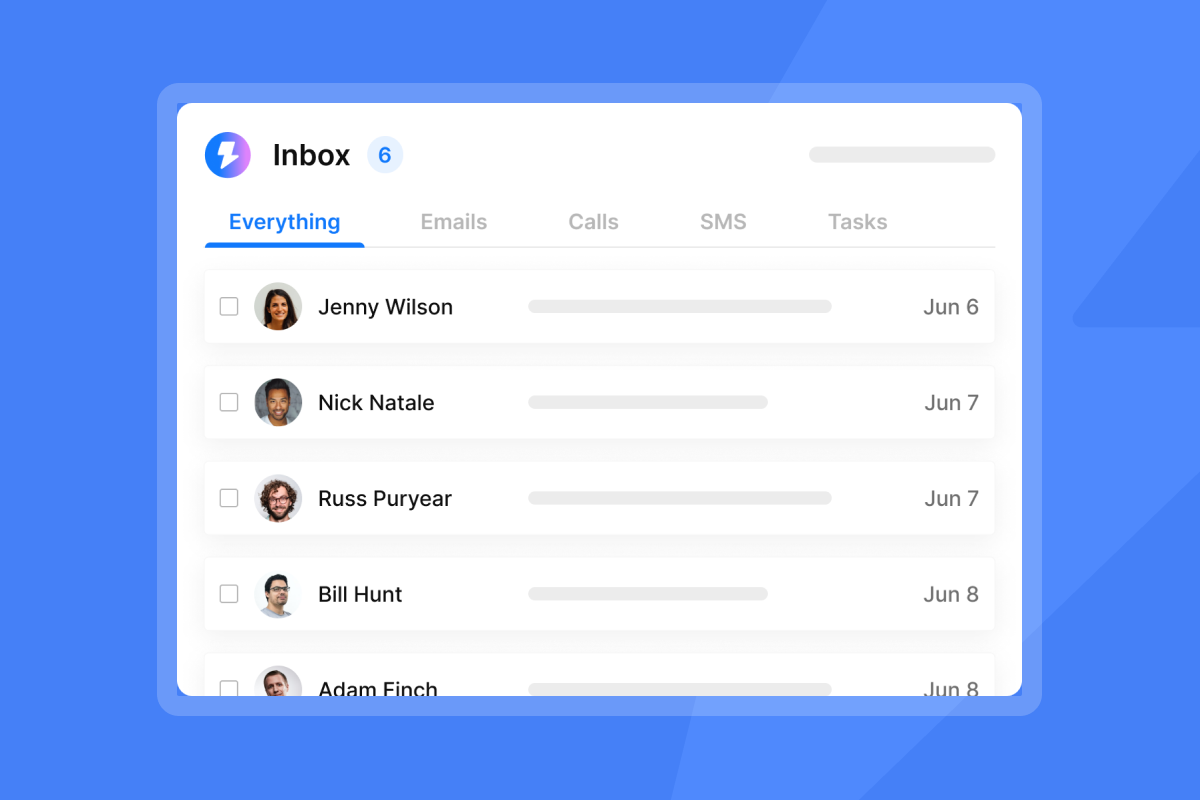
Our unsubscribe link feature inserts a macro in your email template that automatically generates a unique opt-out URL for each recipient. When someone clicks it, their email is immediately added to the Global Block List, stopping all future sends across every campaign in your workspace. This prevents the common error where a prospect unsubscribes from one sequence but keeps receiving emails from another.
One sales leader shared how centralized compliance helped scale:
"Unibox is exceptional as it consolidates replies in one place from over 1000 inboxes, streamlining... The email warmup feature has notably improved deliverability, and the email sequencing capability allows for automated mass emailing." - Daksh K on G2
Managing opt-outs and data subject rights at scale
Manual opt-out handling breaks at scale. If you send 10,000 follow-ups per week across 50 email accounts, tracking "stop" replies in individual inboxes guarantees mistakes. One missed opt-out leads to a spam complaint, and spam complaints damage your domain reputation for months.
Automated suppression lists solve this. When a prospect opts out, their email is added to a central blocklist that prevents future sends from any campaign, any inbox, any sequence. Our Global Block List applies across your entire workspace. When you import new leads, we check them against the blocklist automatically. Leads on the blocklist will not be contacted even if they already exist in the campaign.
Advanced blocklist automation:
We also offer AI blocklist triggers, which automatically add leads to your blocklist based on lead status or if their reply contains specific text (for example, "unsubscribe," "remove," "stop"). This saves time and ensures you do not accidentally re-contact opted-out prospects.
Handling GDPR data subject requests:
Under GDPR, prospects can request access to their data, correction, or deletion. You must respond within one month. To prepare:
- Maintain audit trails: Log when and how you acquired each email address. Our preference settings help you configure data retention policies.
- Export and delete on request: Use our export features to provide a copy of all stored data, then delete it from active campaigns and archives.
- Document your lawful basis: If a regulator asks why you contacted someone, you should be able to point to legitimate interest, consent, or another lawful basis. Keep records of where your lists came from.
For more guidance on building a compliant infrastructure, see our cold email copywriting framework, which includes compliance checkpoints.
How to audit your follow-up process for compliance risks
Run this four-step audit quarterly to catch issues before they become violations.
Step 1: Data source check
- Where did we acquire this list?
- Are these professional (not personal) email addresses?
- Use reputable sources like LinkedIn Sales Navigator, company websites, industry directories, and verified B2B databases. Document each source to support your GDPR legitimate interest claim.
Step 2: Sequence content review
- Do subject lines accurately reflect email content? (CAN-SPAM requirement)
- Is every email relevant to the recipient's professional role? (GDPR legitimate interest)
- Does every email include a valid physical address? (CAN-SPAM)
- Is there a clear, conspicuous unsubscribe mechanism in every email? (Both regulations)
Walk through your active campaigns in our campaign options dashboard and confirm footer macros are enabled.
Step 3: Unsubscribe flow test
- Send a test email to an internal address.
- Click the unsubscribe link.
- Verify the address is immediately added to your Global Block List.
- Confirm no additional emails are sent from any active sequence.
This test catches broken opt-out links before a real prospect complains. For a visual walkthrough, watch our cold email deliverability guide.
Step 4: Performance metrics review
- Bounce rate: Aim for 2% or lower. Hard bounces should stay below 1%. High bounce rates indicate poor data hygiene, which is both a compliance and deliverability risk.
- Spam complaint rate: Must be below 0.1% (ideal) and never exceed 0.3%.
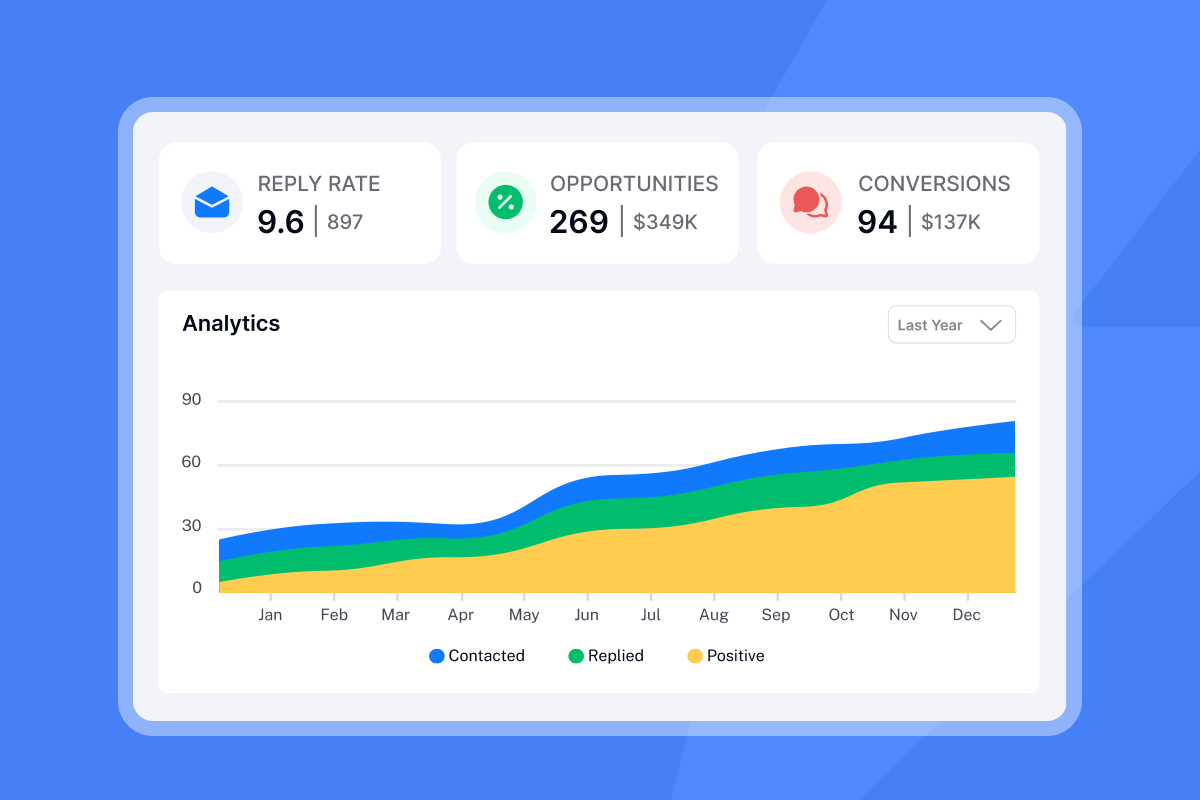
Check these metrics in our analytics dashboard. If bounce rates spike, pause the campaign, re-verify the list using SuperSearch, and resume at a lower send volume.
One user noted how platform features support ongoing compliance:
"I find Instantly incredibly beneficial for centralizing all my inboxes... I use it extensively for warming up emails and supporting marketing campaigns, which is crucial for ensuring deliverability and maximizing the effectiveness of my outreach efforts." - Eli A. on G2
For step-by-step setup guidance, see our warmup filters documentation and how to enable warmup.
Conclusion
Compliance protects your revenue. High spam complaints and missed opt-outs do not just risk fines; they tank your inbox placement for months. CAN-SPAM and GDPR force you to maintain clean data, honor unsubscribes immediately, and keep your sender identity transparent. Those practices reduce spam complaints and bounces, which keeps your domain reputation strong.
The sales leaders who treat compliance as a deliverability system scale faster because their emails land in the primary inbox. The ones who skip it spend quarters rebuilding sender reputation instead of booking meetings.
Audit your follow-up sequences today using the four-step checklist above. Centralize your sending and suppression lists with Instantly to ensure no opt-out is ever missed. Start by enabling the Global Block List, adding unsubscribe links to every campaign, and monitoring bounce rates in your analytics dashboard.
For additional resources, explore our 600+ cold email templates and cold email strategy overview.
FAQs
Can I send follow-up emails to personal Gmail addresses found on LinkedIn?
Not recommended under GDPR. Stick to business domains like john.doe@company.com where you can rely on legitimate interest for B2B outreach. Generic company addresses like info@company carry even lower risk.
Does CAN-SPAM apply to B2B emails?
Yes. The law makes no exception for business-to-business email. All commercial messages, including B2B follow-ups, must comply with CAN-SPAM's seven requirements.
How quickly must I process an unsubscribe request?
CAN-SPAM allows 10 business days; GDPR requires immediate action, but best practice is instant suppression to protect deliverability. We process opt-outs immediately via the Global Block List.
What bounce rate should I target for cold email campaigns?
Keep overall bounce rates below 2% and hard bounces below 1%. Above 5%, ESPs flag your account. Above 10%, they may pause sending entirely.
What happens if my spam complaint rate exceeds 0.3%?
Google and Yahoo will throttle or block your emails. Bulk senders with spam rates above 0.3% are ineligible for mitigation, and recovery can take 30 to 60 days of clean sending behavior.
Key terms glossary
CAN-SPAM Act: US law regulating commercial email. Allows opt-out model but requires honest headers, unsubscribe mechanisms, and physical addresses. Penalties up to $53,088 per email.
GDPR: EU regulation protecting personal data. Requires lawful basis (consent or legitimate interest) before processing. Fines up to €20M or 4% of global revenue.
Legitimate Interest: GDPR lawful basis allowing B2B cold outreach if emails are targeted, relevant, and respect opt-outs. Requires balancing business interest against recipient privacy.
Suppression List: Database of opted-out email addresses that prevents future sends. Also called a blocklist or exclusion list.
Bounce Rate: Percentage of emails that fail to deliver. Keep below 2% overall and below 1% for hard bounces, as hard bounces (invalid addresses) hurt sender reputation more than soft bounces (temporary issues).
Spam Complaint Rate: Percentage of recipients who mark your email as spam, used by ISPs as a key deliverability signal. Must stay below 0.1% and never exceed 0.3%.



