


Updated November 27, 2025
TL;DR: You face 7 critical data gaps in B2B cold calling: inconsistent logging, disconnected follow-ups, delayed status updates, inaccurate forecasts, poor attribution, compliance risks, and limited analytics. These gaps can cost up to 12% of revenue and create unreliable pipelines. Direct CRM integration solves these problems by automating data capture, centralizing replies, and providing real-time visibility. Instantly closes outbound data gaps through its Unified Inbox, powerful API and webhooks, and comprehensive analytics, ensuring you maintain accurate data, improve follow-up efficiency, and build defensible sales processes.
Your SDRs are making calls, but where does that critical data go?
If call notes live in scattered spreadsheets, lead statuses lag by days, and follow-up tasks fall through the cracks, you are flying blind. The quarter tightens and your forecast wobbles. You wonder which activities actually drove pipeline.
B2B cold calling remains powerful, but only when data flows cleanly into your CRM. This guide identifies the seven biggest data gaps that plague cold calling efforts and shows how integration transforms these liabilities into a predictable growth system.
The principles of clean data capture, real-time sync, and automated workflows apply equally to email outreach and cold calling. While this guide focuses on calling data gaps, we will show how Instantly's integration approach for email outreach demonstrates the same best practices every CRM integration should follow, regardless of channel.
Is B2B Cold Calling Still Effective? What the Data Reveals
Cold calling works when you combine it with accurate data and systematic follow-up. 69% of B2B buyers accept cold calls from new providers, and 59% prefer phone contact as their initial outreach channel. The channel delivers results, but success depends entirely on your ability to capture and act on interaction data.
The challenge is not whether cold calling generates opportunities. The challenge is whether your team can maintain data integrity at scale. B2B data decays at approximately 2.1% per month, meaning 22.5% of your contact information becomes outdated annually. Without automated data capture and validation, your reps waste time on disconnected numbers and miss follow-up windows with qualified prospects.
Key statistics at a glance
| Metric | Value | Impact |
|---|---|---|
| B2B buyer receptiveness | 69% accept cold calls | Your team can reach decision-makers who take calls |
| Buyer channel preference | 59% prefer phone contact | Phone is your fastest path to live conversations |
| Cold call conversion rate | 2-4.8% | Quality data drives higher conversion |
| Annual data decay rate | 22.5% | Your lists need quarterly refresh to stay accurate |
| Revenue loss from bad data | Up to 12% | Poor data quality directly impacts your bottom line |
When you use verified contact data and integrated CRM workflows, your conversion rates approach the higher end of the 2-4.8% range. The most successful programs combine accurate prospect data, automated activity logging, and systematic follow-up triggered by call outcomes. Teams that automate call logging and status updates maintain pipeline accuracy and respond faster to engaged prospects.
The 7 Biggest Data Gaps in B2B Cold Calling
Data gaps destroy cold calling ROI by creating blind spots in your pipeline, wasting rep time, and eroding buyer trust. Each gap compounds the others.
1. Inconsistent call logging and note-taking
Manual call logging fails at scale. Your reps juggle dozens of conversations daily. Critical details like pain points discussed, objections raised, and next steps get lost when logging depends on memory. 23% of CRM users cite manual data input as a major obstacle, and 40% of salespeople still use spreadsheets outside the CRM.
When one rep leaves, the next inherits incomplete records and starts from scratch. Managers cannot coach effectively without reliable call data. CTI integrations that automate call logging capture duration, participants, and disposition codes without manual entry, ensuring every interaction gets recorded.
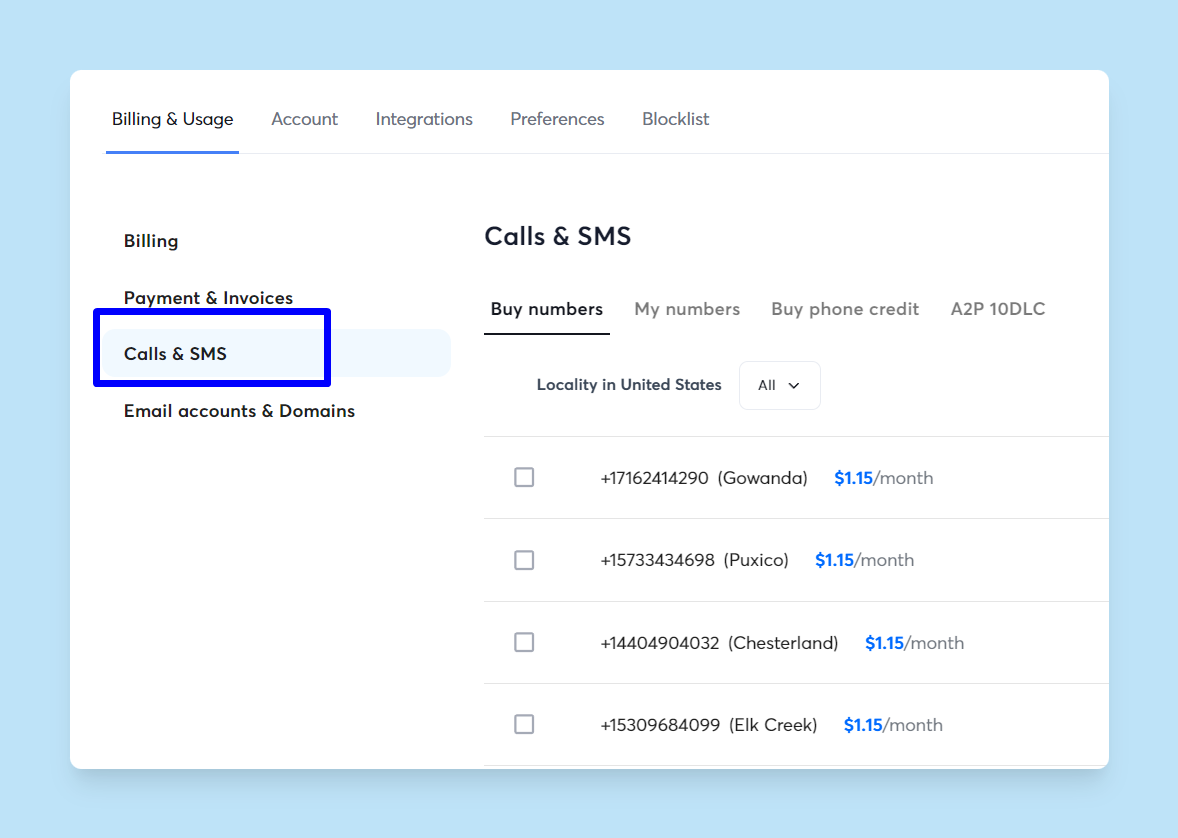
You can make calls and send SMS texts with Instantly or integrate another provider easily.
2. Disconnected follow-up tracking
Follow-ups close deals, but disconnected systems cause failures. A rep marks a call as "Send pricing next Tuesday" in their notepad but forgets to create the CRM task. Tuesday passes. The prospect moves on.
When you integrate your calling tool with your CRM, the system triggers automated follow-up workflows based on call dispositions. When a rep logs "Interested - Request Demo" as the call outcome, your CRM automatically creates a task, sends a calendar invite, and enrolls the prospect in a confirmation sequence. This automation ensures follow-ups happen consistently and on time.
3. Lack of real-time lead status updates
Stale lead statuses create coordination failures. A prospect tells an SDR they are "very interested" on Monday. By Wednesday, an AE reaches out unaware and sends generic content. The prospect feels ignored. The opportunity cools.
Real-time status synchronization through CRM integration solves this. When a rep updates a lead status, the change propagates instantly across all systems and team views. You see accurate pipeline snapshots. Your AEs know which leads need immediate attention. Marketing pauses nurture sequences for hot leads.
Watch how Instantly's CRM helps you close more leads in practice:
4. Inaccurate pipeline forecasting
Pipeline forecasts fail when underlying data is incomplete. If status updates lag by days, your CRM reports tell a fiction. You think you have 30 qualified opportunities. In reality, 10 went dark weeks ago.
Automated data capture and validation rules in CRMs ensure forecast accuracy. Required fields force reps to document call outcomes. Validation rules prevent illogical status progressions. Audit trails track who changed what and when, creating accountability. The result is a forecast you can defend to your CFO.
5. Poor attribution of meetings and deals
Attribution gaps prevent you from understanding which activities drive revenue. When call data lives outside the CRM, you cannot connect a closed deal back to the original cold call that started the conversation.
Integrated systems log every activity on the contact timeline, creating an unbroken chain from first call to closed deal. You can run reports showing which reps book the most meetings, which call outcomes correlate with closed revenue, and which industries respond best. This attribution data informs hiring decisions, script improvements, and territory assignments.
6. Compliance and data privacy risks
Fragmented data systems create compliance exposure. When call notes scatter across spreadsheets and personal devices, you cannot demonstrate compliance with GDPR, CCPA, or industry regulations. Audit requests become nightmares.
CRMs with strong data governance features centralize prospect data, apply consistent access controls, and maintain audit trails. Field-level permissions ensure reps see only needed data. Data Processing Agreements define how vendors handle your data. Sub-processor lists document where data flows, supporting your compliance documentation.
7. Limited team performance analytics
Without comprehensive activity data, you cannot coach effectively. You know Sarah books more meetings than Tom, but not why. Is it her script, follow-up timing, list quality, or objection handling?
Integrated CRM analytics dashboards surface performance patterns. You see average calls per day, conversion rates by rep and disposition, time between first call and meeting booked, and follow-up response times. You use this data to coach reps, refine scripts, and optimize calling schedules.
How CRM Integration Closes These Gaps for Sales Leaders
Direct CRM integration transforms your cold calling from a manual, error-prone process into an automated, data-driven system. Integration closes every gap by connecting calling activity directly to your system of record.
Streamlined data capture and real-time visibility
Automated data capture eliminates your manual entry bottleneck. CTI systems and integrated dialers log calls the moment they complete. Duration, time, participants, and disposition codes flow into your CRM without a rep lifting a finger.
Real-time sync keeps you and every team member working from current data. When a rep updates a lead status, the change appears instantly in dashboards, reports, and other views. Required fields and validation rules prevent incomplete data entry. Audit trails track all changes, creating accountability. Field validation stops bad data at entry.
Enhanced follow-up and compliance controls
Integration enables intelligent, automated follow-up workflows. When a call ends with a specific outcome, your CRM triggers the appropriate next action. An "Interested" disposition creates a follow-up task and enrolls the prospect in a nurture sequence. A "Meeting Booked" status sends calendar invites and prep materials automatically.
Workflow automation tools in Salesforce and HubSpot connect call dispositions to multi-step sequences. This automated follow-up ensures no qualified lead falls through the cracks.
Centralized data storage with proper governance controls reduces your compliance risk. All prospect data lives in one system with defined access controls, retention policies, and audit trails. When a prospect requests data deletion, you can fulfill the request completely.
Instantly's role in direct CRM integration
Instantly closes outbound data gaps through our CRM integration capabilities, which connect email outreach, replies, and engagement data directly to your CRM or using Instantly's native CRM. The same principles, centralized replies, automated workflows, and bidirectional sync, apply whether your team dials or emails.
Centralized reply management with Unibox
Instantly's Unified Inbox centralizes all replies from email campaigns in one interface, demonstrating the same centralization principle cold calling teams need. Your reps triage responses, update lead statuses, and schedule follow-ups without switching tools. When a lead replies with interest, the rep marks them as "Interested" in Unibox. This status change syncs to your CRM instantly, triggering whatever follow-up workflow you have defined.
This centralized view ensures your reps never miss a hot prospect or forget a follow-up commitment. Watch this CRM integration walkthrough on YouTube to see centralized reply management in action.
"The platform is fast, reliable, and very easy to work with — especially when handling large lead lists and multiple sequences... The support team really cares about user success." - santiago pelaez on Trustpilot
Automating data flow with Instantly's API and webhooks
Instantly's API and webhooks enable custom integrations between outreach activities and CRM systems. When specific events occur (email sent, reply received, lead status changed, meeting booked), webhooks fire to trigger actions in your CRM.
Imagine the same webhook logic applied to cold call outcomes. When your calling tool marks a lead as "Meeting Booked," a webhook could:
- Create a new opportunity in Salesforce at the "Discovery" stage
- Assign the opportunity to the appropriate AE based on territory rules
- Generate a follow-up task to prepare meeting materials
- Pause the cold outreach sequence to prevent overlapping touches
- Send a Slack notification to the sales manager
This bidirectional data flow ensures your CRM always reflects current engagement levels. OutboundSync provides specialized Instantly integration for HubSpot and Salesforce users who want deeper sync capabilities. For other CRMs, Zapier connections offer flexible automation options.
See how to connect Instantly to HighLevel CRM in this step-by-step tutorial and to Hubspot & Salesforce below. For advanced integrations, watch this Make.com workflow walkthrough.
Strategies for Effective B2B Cold Calling with Integrated Data
Integration provides the foundation. These strategies help you build cold calling programs that consistently generate qualified meetings.
Pre-call research and personalization
Accurate contact data enables personalized cold calls that earn attention. Just as Instantly's SuperSearch provides access to 450 million verified B2B contacts for email campaigns, cold calling teams need similar data quality. Before dialing, your reps should research the prospect's company, recent news, and specific challenges your solution addresses.
Pre-call research informed by CRM data (past interactions, content downloaded, website visits) enables your reps to reference specific context during calls. "I saw you downloaded our ROI calculator last week" opens doors that generic pitches cannot.
Post-call actions and automated workflows
The minutes after a call determine whether the conversation advances. Configure your CRM to trigger three automatic actions after every call: send promised content immediately, create time-bound follow-up tasks, and update lead scoring based on interest level. These automated actions reduce the time between call and follow-up, improving conversion rates.
Continuous optimization with data-driven insights
Top-performing cold calling teams treat their process as a system to be measured and improved. Track calls made per rep, connection rate, conversation rate, meeting booking rate, show rate, and pipeline generated.
Dashboard views surface patterns. If one rep's connection rate lags, investigate their list source. If meeting show rates drop, refine confirmation workflows. If pipeline per meeting declines, improve qualification questions.
"The platform is super intuitive, easy to set up, and makes it simple to manage multiple domains and inboxes at scale. Deliverability is great and the analytics give us exactly what we need to optimize campaigns quickly." - Shaiel P. on G2
Watch this full Instantly.ai tutorial on YouTube to see how comprehensive analytics work in practice.
B2B Cold Calling vs. Other Outreach Methods
| Criterion | Cold Calling | Cold Email | LinkedIn Outreach | Multi-Channel |
|---|---|---|---|---|
| Buyer preference | 59% prefer phone | 35-40% prefer email | 25% prefer social | Depends on buyer persona and stage |
| Average conversion | 2-4.8% | 1-3% reply rate | 15-25% acceptance | 5-8% when call + email align |
| Time to conversation | Immediate | 1-7 days | 2-14 days | 1-3 days with parallel touches |
| Compliance needs | Do Not Call lists, recording consent | CAN-SPAM, GDPR consent | LinkedIn terms | Must track consent across channels |
Cold calling delivers immediate conversations but requires significant time per prospect. Cold email scales more efficiently but takes longer to generate responses. LinkedIn outreach builds relationships but has volume limits. Most successful programs use multi-channel sequences with integrated data tracking across all channels.
Drive Predictable Growth with Integrated Cold Calling Data
Closing these data gaps is not optional when you need defensible forecasts and consistent quota attainment. The seven gaps inconsistent logging, disconnected follow-ups, delayed status updates, inaccurate forecasts, poor attribution, compliance risks, and limited analytics collectively prevent you from building a repeatable, scalable cold calling system.
CRM integration solves these problems by automating data capture, ensuring real-time visibility, triggering intelligent workflows, and providing the governance controls that audits and compliance requirements demand. When you integrate your calling and email systems, your reps spend less time on administrative tasks and more time on live conversations. You get accurate visibility into team performance. Your CFO sees predictable pipeline development tied to specific activities and investments.
Ready to Close Your Data Gaps?
Instantly provides the CRM integration infrastructure you need to build predictable outbound systems. Our Unified Inbox centralizes all prospect interactions. Our API and webhooks enable custom workflows that connect engagement to your CRM. Our comprehensive analytics surface performance patterns that drive continuous improvement.
Start with a free trial to see how integrated data transforms your sales workflow. Connect your existing CRM, configure your follow-up workflows for email outreach, and watch reply handling become automatic. Apply the same integration principles to your cold calling workflow for complete outbound data integrity.
Try Instantly free and build an outbound system where every interaction gets logged, every follow-up happens automatically, and every pipeline report withstands CFO scrutiny.
FAQs
How much does poor cold calling data quality cost B2B sales teams?
Poor data quality costs organizations an average of $12.9 million annually, and inaccurate data can cost you up to 12% of revenue through wasted effort, missed opportunities, and flawed forecasting.
What is the minimum acceptable lead status update frequency for accurate pipeline reporting?
Real-time or same-day updates are critical. Data that lags by more than 24 hours creates forecasting errors and coordination failures.
Can CRM integration fully automate cold calling follow-up sequences?
Yes. Workflow automation based on call dispositions can trigger emails, tasks, and status changes automatically, though personalized touches still perform best for high-value prospects.
What integration capabilities should sales leaders look for in outbound tools?
Look for webhook and API support for real-time data sync, centralized reply management across channels, and flexible workflow automation. Instantly provides these for email outreach through our Unified Inbox, API, and webhooks. For calling tools, seek similar integration depth with your CRM.
What data governance features should sales leaders require in CRM integrations?
Require field-level validation, audit trails, duplicate detection, role-based access controls, and data processing agreements with clear sub-processor lists.
How long does CRM integration typically take to show ROI for cold calling teams?
Most teams see efficiency gains within 30 days and measurable pipeline improvements within 60-90 days, assuming proper data hygiene and workflow configuration.
Key Terms Glossary
Cold call conversion rate: The percentage of cold calls that result in a desired outcome, typically a booked meeting. Industry averages range from 2-4.8%, varying by data quality and rep skill.
CRM integration: The connection between calling tools or sales engagement platforms and the Customer Relationship Management system, enabling automated data flow, workflow triggers, and unified reporting.
Lead status mapping: The process of defining how lead status values in one system correspond to status fields in the CRM, ensuring consistent data and enabling automated workflow triggers.
Call disposition: A categorical outcome assigned to a call (Interested, Not Interested, Meeting Booked) that determines follow-up workflows and enables performance reporting.
Data decay: The rate at which contact information becomes outdated. B2B data decays at approximately 2.1% monthly, requiring continuous verification and refresh.
Unified Inbox: A centralized interface that displays prospect interactions from a specific channel (such as email replies in Instantly's Unibox) or across multiple channels, simplifying response management and ensuring no engagement falls through the cracks.
Webhook: An automated message sent from one application to another when a specific event occurs, enabling real-time integrations that trigger CRM actions based on prospect behaviors or status changes.
Pipeline forecasting: The practice of predicting future revenue based on current opportunities, their stages, and historical conversion rates. Accuracy depends entirely on the completeness and timeliness of underlying activity data.


