


Updated November 27, 2025
TL;DR: For Sales Leaders, converting B2B cold calls into booked meetings demands a strategic, multi-channel follow-up system that protects domain health. Research shows 80% of sales require at least five follow-ups, yet 44% of reps quit after one attempt.
We show you how to craft effective sequences across email, phone, and social while rigorously protecting your sender reputation.
The follow-up is where deals are won or lost, but doing it wrong can tank your domain health and future outreach capacity. Worse, manual follow-up at scale is impossible when your SDR team is juggling 50+ prospects each. Your follow-up system must be systematic, persistent, value-driven, and technically sound.
We'll walk you through the field-tested playbook you need to build a multi-channel follow-up machine that converts cold calls into pipeline while protecting the domain reputation your future campaigns depend on.
Why B2B cold calling still works: Buyer receptiveness and preferences
Cold calling still works in 2025, despite widespread claims of its demise. The data tells a different story. According to Attention.com research, cold calling generates qualified leads at a rate that outpaces many digital channels when you execute it with proper research and targeting.
The psychology is simple. A well-timed, well-researched phone call establishes human connection before the automated follow-up sequence begins.
Here's the real challenge: what happens after the call. A cold call without a systematic follow-up strategy is wasted effort. Studies show that appointment conversion rates for cold calls sit around 9.25%, but only when paired with persistent, multi-channel follow-up.
Key statistics: What the data reveals about B2B cold calling
The numbers paint a clear picture of why follow-up matters more than the initial call:
| Metric | Statistic | Source |
|---|---|---|
| Sales requiring 5+ follow-ups | 80% | Martal Group |
| Reps who quit after 1 follow-up | 44% | Leads at Scale |
| Multi-channel conversion lift vs email-only | 28% higher | Martal Group |
| Optimal touchpoints in a cadence | 8-12 over 17-21 days | Tendril |
| Reply rate boost from 2nd follow-up | Nearly 50% increase | Martal Group |
| Appointment conversion with follow-up | 9.25% | Leads at Scale |
These statistics reveal the opportunity cost of inadequate follow-up. Most reps leave 80% of potential deals on the table by giving up too early. The conversion happens in the follow-up, not the first call.
Watch how Instantly's AI Reply Agent can help automate your follow up strategy and sound just like you:
The multi-channel follow-up imperative: Beyond the first call
You cannot rely on a single channel for modern B2B follow-up. Multi-channel campaigns yield up to 28% higher conversion rates than email-only sequences. Your buyers expect to engage on their terms, through their preferred channels, at their preferred times.
Your post-call follow-up must orchestrate touchpoints across email, phone, and LinkedIn.
Each channel serves a distinct purpose:
- Email delivers value at scale
- Phone creates urgency and handles objections
- LinkedIn builds credibility and social proof
Used together, they create visibility without becoming intrusive. According to J2 Group research, the most effective multi-channel strategies combine cold calling with automated email sequences and LinkedIn engagement to drive 3x pipeline growth.
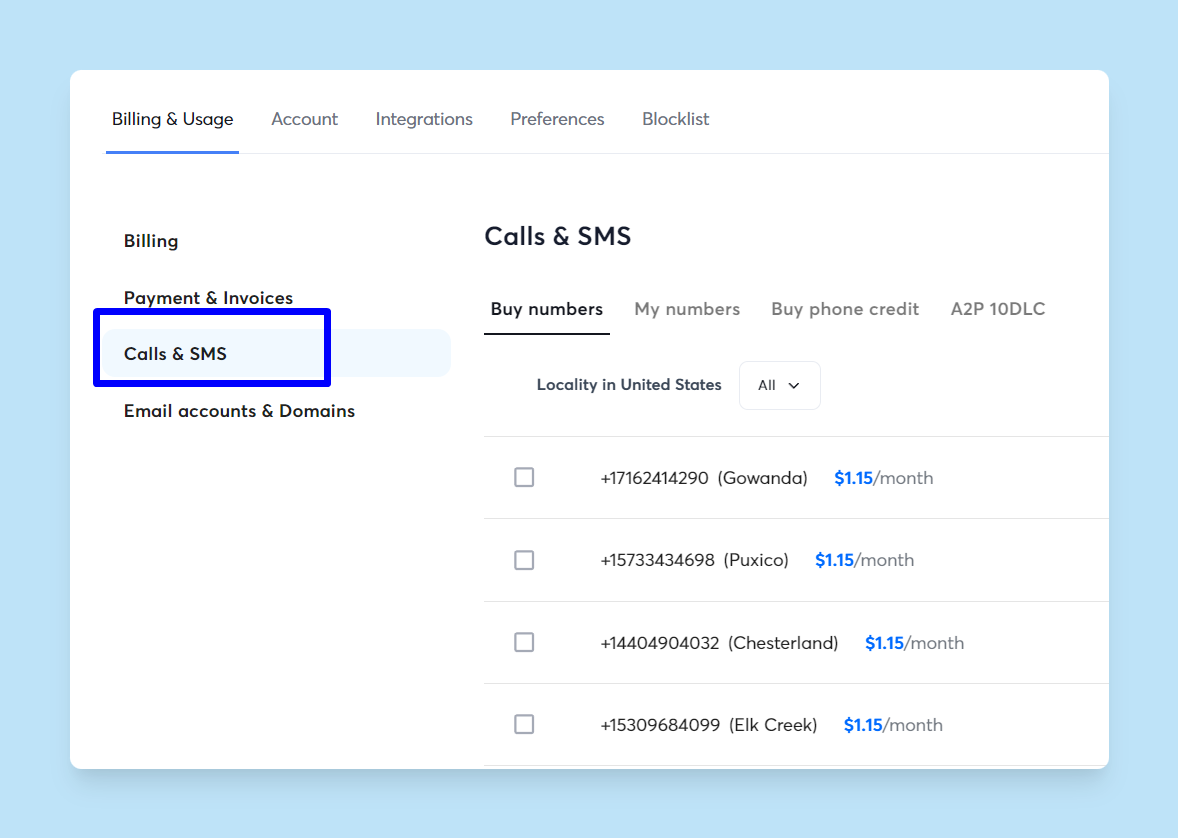
The technical challenge is orchestration. Manual multi-channel outreach does not scale past 20-30 prospects per rep. Your reps can't manually track 8-12 touchpoints across email, phone, and LinkedIn for 50+ active prospects. Instantly's platform enables teams to manage these sequences from a single interface, handling the email layer and call automatically so your reps can focus on high-value phone (which can also be done via Instantly) and social touchpoints.
Crafting your follow-up sequence: Channels and timing
An effective B2B cold calling follow-up sequence follows this proven cadence:
- Day 1 - Immediate post-call follow-up: Send a personalized email within 2 hours of the call. Research shows that following up within 5 minutes can increase conversion likelihood by up to 100 times. Summarize the conversation, confirm next steps, and provide the information you promised.
- Day 3 - Value-driven email + LinkedIn connection: Send a second email that shares a relevant case study, insight, or resource. According to Klenty, this email should reference a specific pain point discussed during the call. Simultaneously, send a personalized LinkedIn connection request mentioning the previous call.
- Day 5 - Phone follow-up: Make a follow-up call to discuss the materials you sent. GrowLeads research confirms that mixing channels prevents fatigue and increases overall engagement.
- Day 8 - Third email with social proof: Share customer testimonials or success metrics relevant to their industry. Keep it concise and focused on outcomes.
- Day 10-14 - Final value-add touchpoint: Leads at Scale recommends a final email or "break-up" message that leaves the door open while respecting their time.
B2B cold calling vs other outreach methods: A comparison
| Criteria | Cold Calling | Email Sequences | LinkedIn Outreach | Paid Ads |
|---|---|---|---|---|
| Direct conversation rate | High | Low | Medium | Very Low |
| Scalability | Low | Very High | Medium | Very High |
| Cost per touch | Medium | Very Low | Low | High |
| Domain health risk | None | High if done wrong | Low | None |
This comparison shows why an integrated approach wins. Cold calling delivers high-quality conversations but cannot scale. Email sequences scale infinitely but carry deliverability risk. Use calling to qualify and email to nurture at volume.
Step-by-step: Building your domain-safe follow-up playbook
You cannot scale email follow-up without protecting domain health. A burned domain kills future campaigns across all channels. Here's how to build a follow-up system that converts leads without sacrificing sender reputation.
1. Segmenting leads post-call: Warm vs cold
Not all cold call outcomes are equal. Segment leads immediately after the call based on engagement level:
- Hot leads: Expressed clear interest, agreed to next steps, asked detailed questions. These prospects enter an accelerated follow-up sequence with shorter intervals between touchpoints.
- Warm leads: Showed some interest but were non-committal. These prospects receive a standard cadence with educational content and social proof.
- Cold leads: Were polite but showed little engagement. These prospects receive a longer, more spread-out sequence focused on value delivery without pressure.
According to Headley Media, this segmentation enables personalized messaging that resonates with specific needs and communication preferences. Use Instantly's CRM to track deal stages for your leads:
2. Designing your email follow-up sequence
Email will carry the bulk of your follow-up volume. Design sequences that deliver value without overwhelming prospects or damaging deliverability.
First email (within 2 hours of call):
- Subject: "Following up on our call about [specific pain point]"
- Body: Summarize key points, provide promised resources, propose concrete next step
- Length: Under 100 words
- CTA: Single, clear ask (calendar link or simple reply question)
Second email (Day 3-5):
- Subject: "Quick thought on [their company challenge]"
- Body: Share relevant case study or insight not mentioned in the first email
- Length: Under 150 words
- CTA: Low-commitment question or resource download
Third email (Day 8-10):
- Subject: Reference recent company news or industry trend
- Body: Connect their challenge to a specific solution approach
- Include social proof from similar companies
- CTA: Offer specific meeting times
Watch how to set up automated multi-step sequences in Instantly, including custom delays, A/B testing, and conditional logic that adapts based on prospect engagement.
"I've been using instantly.ai for my cold email outreach, and it has completely changed the way I run campaigns. The platform is super intuitive, and I was able to get up and running in minutes. Deliverability has been excellent, and the automation features save me a ton of time." - Customer review on G2
Critical deliverability guardrails:
Keep your daily sends at or below 30 emails per inbox. We recommend this limit to maintain sender reputation. Use spin syntax to vary messaging and avoid spam filters.
3. Integrating phone and social touches
Email automation does not eliminate the need for human touchpoints. Phone calls and LinkedIn engagement add the personal dimension that builds trust.
Phone follow-up strategy:
Space your calls 3-5 days apart. Scratchpad research shows that each call should deliver something the prospect did not have before, not just "check in." Reference specific details from previous emails or LinkedIn activity to show you are paying attention.
LinkedIn engagement tactics:
Connect within 24-48 hours of the call. Engage with their posts before sending a direct message. According to Doplac, this social validation makes your email follow-ups more likely to get opened and read.
4. Prioritizing domain health and deliverability
Your domain health determines whether follow-up emails reach the inbox. Protect it systematically.
Warmup is mandatory:
Before sending any follow-up campaigns, warm new domains for 30 days. Ramp daily sends from 5 to 15 to 30 per inbox. Instantly's automated warmup handles this process across unlimited accounts, simulating natural engagement within a deliverability network of 4.2M+ accounts.
Monitor placement continuously:
Track where your emails land. Aim for 80-85% primary inbox placement, under 2% hard bounces, and under 0.3% spam complaints.
Watch how to use Inbox Placement tests to monitor and protect sender reputation across all sending domains.
Automate campaign pauses:
Set up rules to automatically pause or throttle campaigns when placement, bounces, or complaints exceed risk thresholds. This prevents small deliverability problems from becoming domain-killing crises.
Verify contacts rigorously:
Sending to invalid addresses is the fastest way to damage sender reputation. Watch how to verify catch-all emails to maintain list hygiene and reduce bounces.
Managing replies and nurturing opportunities at scale
You need systems to convert follow-up replies into meetings at scale. Manual inbox management breaks down past 100 daily emails per rep.
Centralizing communication with a unified inbox
Scattered replies across multiple inboxes will kill your conversion. Your reps miss time-sensitive responses, duplicate efforts, and lose context.
A unified inbox solves this by aggregating all prospect replies into a single interface.
Instantly's Unibox centralizes replies across unlimited sending accounts, enabling reply classification, task management, and conversation threading without losing context.
According to Remote Reps 247, centralized reply management reduces response time and prevents leads from falling through the cracks during hand-offs between SDRs and AEs.
AI Reply Agent for efficient reply handling
You cannot scale manual reply handling past 50-100 replies per day. Sales teams face a choice: hire more reps or automate intelligently.
Instantly's AI Reply Agent auto-handles lead replies in under 5 minutes, configurable for Human-in-the-Loop approval or full Autopilot mode. The AI qualifies leads, books meetings, and handles common objections, freeing reps to focus on high-value conversations.
"Simple and well-designed UX, effective support from both humans and AI for small questions. The AI is capable of entering campaign configurations and applying fixes, which is a huge time saver." - Customer review on G2
The AI learns from your best-performing reply patterns and adapts messaging based on prospect sentiment and engagement history. Read how AI Reply Agent integrates with Slack for review and approval workflows.
Seamless handoff to CRM and sales teams
Your follow-up only creates value if it feeds clean pipeline data to your CRM. Manual data entry introduces errors, delays, and incomplete records.
Instantly integrates with major CRMs including HubSpot and Salesforce, syncing contact data, reply status, and meeting bookings automatically. According to B2B Rocket, this automation ensures that sales teams have accurate, up-to-date information for every prospect interaction.
Measuring success: Metrics for your follow-up strategy
You need to track the right metrics or you'll fly blind. Sales Leaders need dashboards that withstand CFO scrutiny and reveal optimization opportunities.
Reply rate:
Percentage of prospects who respond to your follow-up sequence. Target 5-10% for cold audiences, 10%+ for warmed lists. Learn how to track and improve reply rates systematically.
Meetings booked per 100 sends:
The ultimate conversion metric. A healthy B2B follow-up system books 1-2 meetings per 100 emails sent after proper warmup and segmentation.
Open rate:
Useful for subject line testing but not a primary success metric. Tendril reports that 23% is a baseline open rate, with 20-30% considered healthy.
Bounce rate:
Hard bounces must stay under 2%. Above that threshold, pause campaigns and re-verify your list before resuming.
Primary inbox placement:
The most important deliverability metric. Aim for 80-85%+. Use Inbox Placement tests to monitor where your emails land across major providers.
Time to first reply:
Measures how quickly prospects engage. Faster response indicates strong relevance and targeting. According to Atlassian, most engaged prospects reply within the first 3 touchpoints.
Checklist: Essential cold calling follow-up steps
Use this checklist to audit your current follow-up process:
- Pre-call research (5-10 min per lead): Verify contact data, understand company pain points, identify decision-maker role
- Day 1 email (within 2 hours): Summarize call, provide promised resources
- Day 3 multi-channel: Value-driven email + LinkedIn connection request
- Day 5 phone: Follow-up call referencing previous email content
- Day 8 email: Share social proof and case studies
- Day 10-14 final touch: Polite break-up email leaving door open
- Domain health monitoring (weekly): Check placement (target 80%+), bounces (under 2%), spam complaints (under 0.3%)
- Reply handling (under 4 hours): Respond to all prospect replies quickly
- CRM sync: Ensure all interactions log automatically
- Weekly optimization: Review metrics, test new subject lines, refine targeting
Try Instantly free and scale your follow-up system safely
Your cold call follow-up strategy is only as strong as the infrastructure behind it. Manual processes collapse under volume. Disconnected tools create data gaps and deliverability blind spots.
Start your free Instantly trial and implement this follow-up playbook with automated sequences, built-in warmup, and unified reply management that protects your domains while you scale. Track placement, convert cold calls into meetings, and let your reps focus on conversations instead of inbox busywork.
FAQs
How many touchpoints should my follow-up sequence include after a cold call?
The optimal range is 8-12 strategic touchpoints over 17-21 days across email, phone, and LinkedIn channels, as research shows 80% of sales require at least five follow-ups.
What is the biggest risk to domain health in email follow-up campaigns?
Sending to unverified contacts creates high bounce rates (over 2%) which rapidly damages sender reputation and causes future emails to land in spam folders.
How quickly should the first follow-up email be sent after a cold call?
Within 2 hours of the call to capitalize on fresh context, as prompt follow-up can increase conversion likelihood by up to 100 times.
What email reply rate indicates a healthy B2B follow-up sequence?
A reply rate of 5-10% for cold audiences and 10%+ for warmed lists indicates proper targeting, personalization, and deliverability.
How does multi-channel follow-up improve conversion over email-only sequences?
Multi-channel campaigns combining email, phone, and LinkedIn yield up to 28% higher conversion rates by meeting prospects on their preferred communication channels.
Key terminology for Sales Leaders
Primary inbox: The main inbox folder where emails from known or trusted senders land, as opposed to promotions, spam, or other filtered folders.
Sender reputation: A score assigned by email providers based on sending behavior, bounce rates, spam complaints, and engagement metrics that determines inbox placement.
Warmup: The process of gradually increasing sending volume from new domains or IP addresses to build positive sender reputation with email providers.
List hygiene: The practice of regularly verifying and cleaning email contact lists to remove invalid addresses, reduce bounces, and maintain deliverability.
Reply rate: The percentage of email recipients who respond to your outreach, calculated as total replies divided by total delivered emails.
Domain health: The overall reputation and deliverability status of your sending domains, determined by authentication, engagement, and complaint metrics.
Unified inbox: A centralized interface that aggregates replies from multiple sending accounts into a single view for efficient management.
Sales cadence: A structured sequence of touchpoints across multiple channels designed to nurture prospects toward conversion.
Bounce rate: The percentage of emails that fail to deliver, categorized as hard bounces (permanent failures) or soft bounces (temporary issues).
Inbox placement rate: The percentage of sent emails that successfully land in recipients' primary inbox rather than spam or promotions folders.


