


Inbound and outbound marketing are two sides of a complete growth system. Inbound attracts leads through education, SEO, social content, and trust, but it takes time to gain traction. Outbound is faster, controlled, and lets you target high-value buyers directly, though it requires strong research and personalization.
Leading marketing teams use both: inbound to create demand and outbound to capture it quickly, especially with tools like Instantly for scalable, precise outreach.
Most businesses treat inbound and outbound marketing like two competing philosophies. The reality is, both are essential, and the teams that scale fastest understand when and how to use each.
Inbound marketing brings leads who discover you through content and education. It’s slower but delivers warmer prospects who already understand what you offer. With outbound, you can cherry-pick prospects, choose when to reach out, and shape the conversation from the first touch.
Together, they give you a holistic marketing engine. Below, we’ll compare inbound vs outbound marketing across strategy, effort, speed, cost, and lead quality, and show how Instantly makes modern outbound scalable and precise.
Inbound Vs Outbound Marketing: How They Compare
You can think of marketing as a game of resources and time. For example, inbound marketing is typically “cheaper,” but it takes longer for you to get leads. The trade-off is that you often receive leads who are already familiar with your brand, products, or services.
Outbound marketing is more aggressive and will incur higher upfront costs, especially when setting up for the first time. To help you figure out what type to focus on, let’s look at the key differences between the two:
Inbound Marketing is Competitive Customer Service
The goal of inbound marketing is to help people know what your product or service is all about. So, instead of a “marketing” mindset, you can think of it as competitive customer service.
For example, if a customer asks something via a chatbot and it takes 24 hours for a human to reply, there’s a good chance they've already found an answer on another site. But speed isn’t everything. You also have to satisfy your customers and make the next steps much easier.
Speed + convenience is the winning formula. Inbound applies that same mindset to content, education, and search. When you help people faster and better than competitors, you earn their trust long before they ever speak to sales.
There’s No Pitch with Inbound, You Only Have to Convince People to Buy
There’s no need to “pitch” in an inbound role because customers already understand the idea and they’re interested. Your job is to guide them, reassure them, and help them feel confident enough to make a purchase.
Outbound is a different game. You have no way of knowing whether someone will love the product or reject it.
Your pitch can turn a skeptic into a believer, or it can turn a mildly curious prospect into a dead lead. That’s why it’s vital to personalize every outbound effort.
Outbound Works With Research, Not Templates or Scripts
Templates and scripts are great starting points, but you can’t use the same ones for every lead in your contact list. If you want outbound to work, you need deep research on your prospect, which can’t be done manually at scale.
Inbound is the opposite. People come to you already informed, so the “research” has essentially been done for you through the content, SEO, and resources you’ve published. Outbound requires you to do that homework yourself for every lead you reach out to.
Outbound won’t Work if it Sounds Like Inbound Marketing
Outbound works best when your offer is painfully specific. Most newsletters fail because they read like generic content instead of a tool that solves a real problem. The ones that scale treat the newsletter as a fix to one annoying problem their audience struggles with every week.
When you frame it that way, cold outreach stops feeling like a pitch. It feels like you’re showing up with the solution they’ve been waiting for. Inbound can afford to be broad, but outbound wins only when the value is unmistakably direct.
Outbound Leads Can Outperform Inbound Leads
Outbound can outperform inbound in ways people don’t always expect. Outbound leads typically require more time, nurturing, and effort upfront. But when they convert, they tend to be stronger across every sales metric that matters: higher value, longer retention, and communication.
They already understand the company and the value we offer because we were the ones who reached out with clarity and intent. Inbound leads, by comparison, often come in with little context and even less commitment.
Many of them jump straight to price, skip the demo, or talk to so many vendors at once that they don’t care who solves their problem as long as it’s the cheapest. A lot of inbound inquiries end up being unqualified or dismissive, and the pattern becomes predictable:
- “Give me your best price,” then never showing up.
- “Why should I buy from you? Someone else is cheaper,” without considering anything beyond cost.
- “Just send me the price,” with no interest in learning how the solution actually works.
Are Inbound Leads Better Than Outbound Marketing Leads?
There’s a surprising consensus amongst marketers and salespeople. Outbound leads are often more effective than inbound leads.
Take this marketer, for example, who worked with a client with good SEO. They received lots of inbound leads, but not many were worth pursuing.
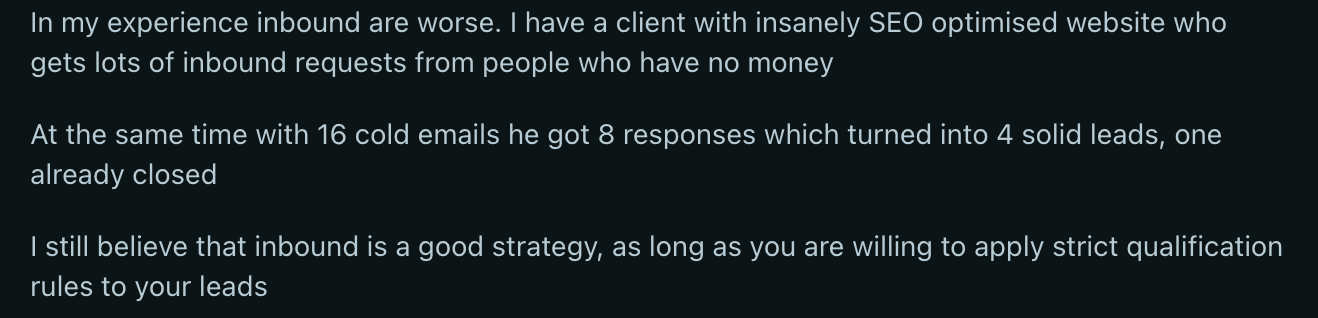
So, are outbound leads the best in terms of lead quality? The answer varies with each business. What’s important to note is that both inbound and outbound leads should be properly qualified before they go further down your pipelines.
Where outbound leads often shine is in scalability and precision. With Instantly SuperSearch, for instance, you can identify businesses that need what you offer using a simple AI-powered filter instead of waiting for perfect-match leads to find their way onto your site.
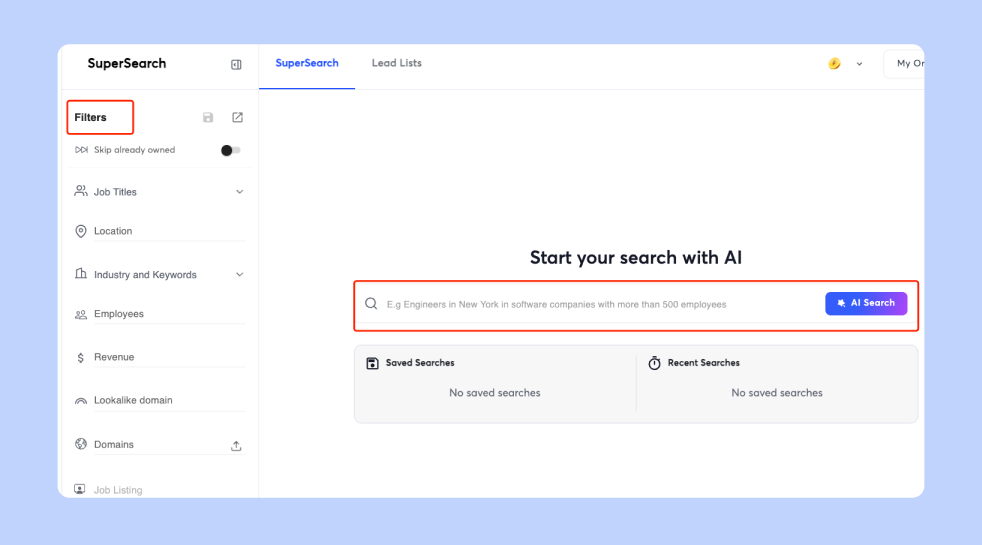
In other words, you’re able to hand-pick leads who are actively searching for a solution, have the budget to move forward, and have the authority to make a buying decision.
This level of fine-tuning is harder to implement with inbound marketing. But that depends on what strategy you use.
Inbound Vs Outbound Marketing Strategies
Inbound and outbound strategies come in many different forms you can use to grow your business. Both come with their own strengths and limitations, and some approaches will naturally work better for specific industries than others.
Cold Email vs LinkedIn Content Marketing
Cold email is executed through direct, intentional outreach. You build a lead list, research prospects, write highly targeted messages, and send emails designed to start conversations fast and at scale.
It is systematic and measurable, and it depends heavily on personalization, deliverability, and follow-up sequences.
Most of the work happens before the prospect ever sees your message, from list enrichment to crafting angles that resonate with the right decision-makers.
LinkedIn marketing, on the other hand, is executed through consistent publishing. You create posts, carousels, videos, and thought-leadership pieces that speak to your audience's problems. Over time, content attracts followers, builds trust, and positions you as the person they turn to when they need help.
Lead Finder Tools vs Building Email Subscribers
Lead finder tools are an outbound strategy that allows you to search for high-value prospects proactively. Instead of buying generic lead lists, you use platforms that filter targets by industry, size, intent, technology used, or pain points.
This provides you with a curated set of leads who are more likely to require what you offer. The execution is fast and controlled. You choose who enters your pipeline, when to engage them, and what targeting criteria matter most—all things Instantly SuperSearch helps with.
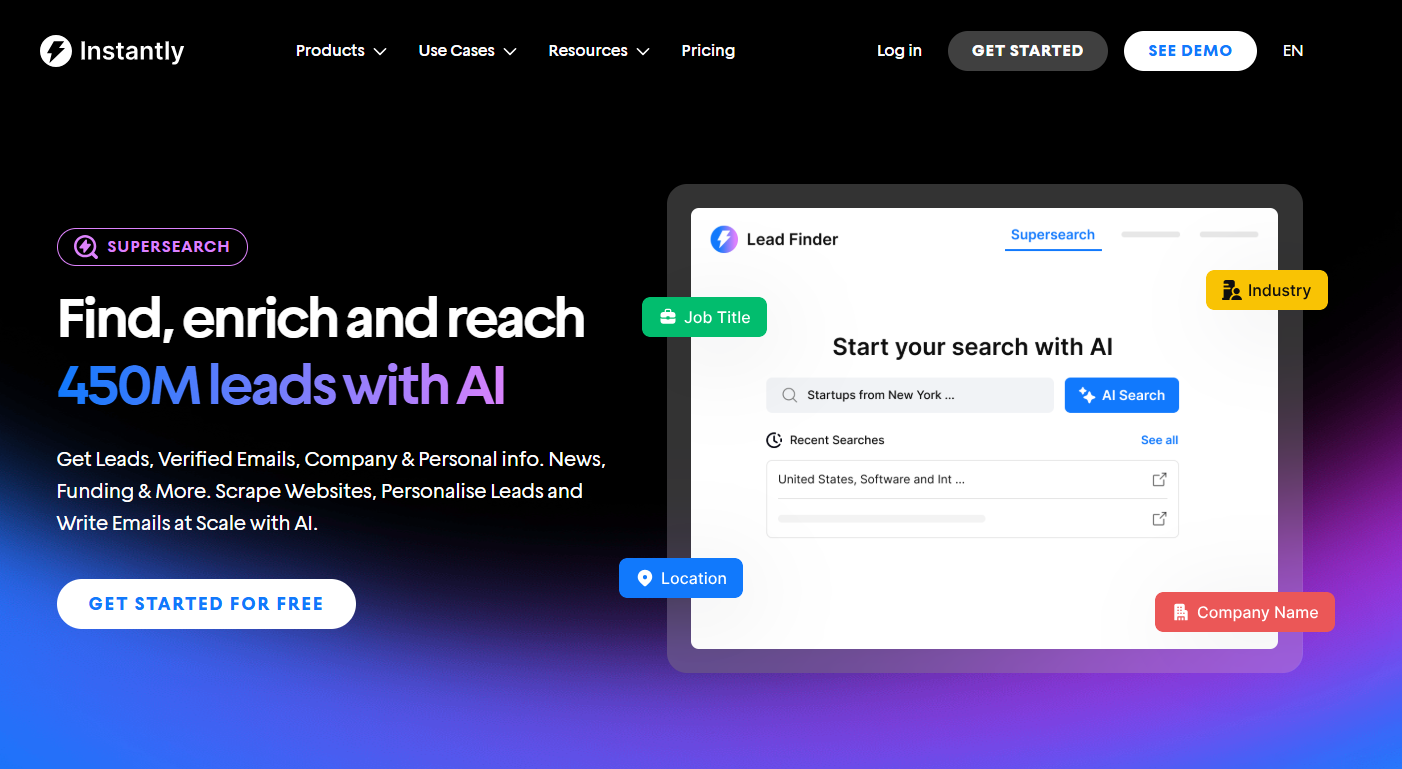
SuperSearch lets you find leads, enrich data, and use AI agents to do deeper research about your prospects.
Building subscribers is an inbound strategy built on trust and attraction. People join your list because they saw value in your content, downloaded a resource, read your blog, or followed your brand. These leads arrive slowly but come in with higher familiarity and warmer intent.
Paid Ads vs SEO
Paid ads work by putting your brand directly in front of a chosen audience. You pay for placement, control who sees the ad, and get traffic as soon as the campaign goes live. The strategy sits between outbound and inbound.
You are proactively paying for visibility, but you still rely on the user to click. Paid ads are built for speed, targeting, and immediate volume. SEO relies on optimizing your website and content so that you appear naturally in search results when people search for solutions.
The results take longer, but the traffic comes with stronger buying intent because users are already looking for the answers you provide. SEO focuses on authority, relevance, and long-term growth.
Cold Calling vs Live Chat / Chatbots
Cold calling is a classic outbound strategy. You contact prospects directly, start the conversation on your terms, and guide them through the next steps in real time. It demands strong communication skills and the ability to capture interest quickly.
Live chat and chatbots are inbound tools that meet people the moment they land on your website. The prospect initiates the interaction, and the chat experience helps answer questions, qualify interest, and move them toward a decision.
Sales Prospecting vs Social Media Engagement
Sales prospecting is an outbound strategy focused on direct outreach. You identify the right prospects, research them, and start the conversation through calls, emails, or other one-to-one channels.
Social media engagement is one of the most popular ways for brands to attract and warm up an audience because it encourages conversation rather than interruption. Social platforms are powerful for community building, ongoing interaction, and staying top-of-mind.
A great example is the Instantly Cold Email Masterclass group on Facebook, where members actively share wins, answer questions, and exchange insights that help everyone grow and improve.
Key Takeaways
There shouldn’t be a debate between inbound and outbound marketing. Both are essential to growing any business. It’s all about managing time and resources. Inbound is usually slower, but you get warm leads that are easier to convert.
However, if you want to be proactive and reach your audience quickly, outbound is the way to go. And, there’s no better tool for cold outbound campaigns than Instantly. Start your free Instantly trial.


