


Inbound and outbound sales target the same buyers but generate demand in different ways. Inbound captures existing intent through content, SEO, and referrals, while outbound creates opportunities through proactive outreach like cold email and calls.
Inbound builds trust and compounds over time; outbound adds speed and control. The strongest sales teams align both into one pipeline, using inbound for signal and outbound to fill gaps and hit targets.
Most teams feel pressure to “pick a lane” in the inbound vs outbound debate, as if one must replace the other. In reality, they're two different ways to solve the same problem: building a predictable, qualified sales pipeline.
Inbound attracts buyers who are already searching, researching, or comparing options. Outbound creates opportunities by proactively starting conversations with the right accounts at the right time. The difference isn’t quality versus quantity. It’s timing, control, and intent.
The most important consideration is how much of each strategy you need based on your stage, resources, and sales cycle. When inbound and outbound are aligned around the same ICP and sales funnel goals, they stop competing and start compounding.
Key Differences Between Inbound and Outbound Sales
Inbound sales rely on pull-based channels. Content, SEO, social media, webinars, and lead magnets are all designed to bring prospects to you. The lead arrives warmer, with some level of awareness and intent. Your job is then to educate, qualify, and guide them toward a decision.
Outbound sales are push-based. You proactively build lists, enrich data, and engage through targeted outreach via cold email, phone calls, and social media. These prospects start colder. The early part of the conversation focuses on relevance and timing, rather than just solution fit.
These differences shape how leads are sourced, how conversations initiate, and how trust is established. Inbound generates signal and intent. Outbound adds speed and control. When aligned, inbound tells you who is already warm, while outbound makes sure you're not limited by who happens to find you first.
Is Outbound Harder Than Inbound Sales?
In theory, it would seem like a lead who already knows about your product or services is an easier sell than somebody entirely new to you. But that’s not always the case.
When is Inbound Sales Harder Than Outbound?
A typical scenario that inbound teams find themselves in is having a lead reach out, inquire about pricing, and then go no-contact.
Tire kickers are out there, and many waste time entertaining them. Here’s a post from four years ago that remains true for many businesses today and will likely continue to be so in the years to come.
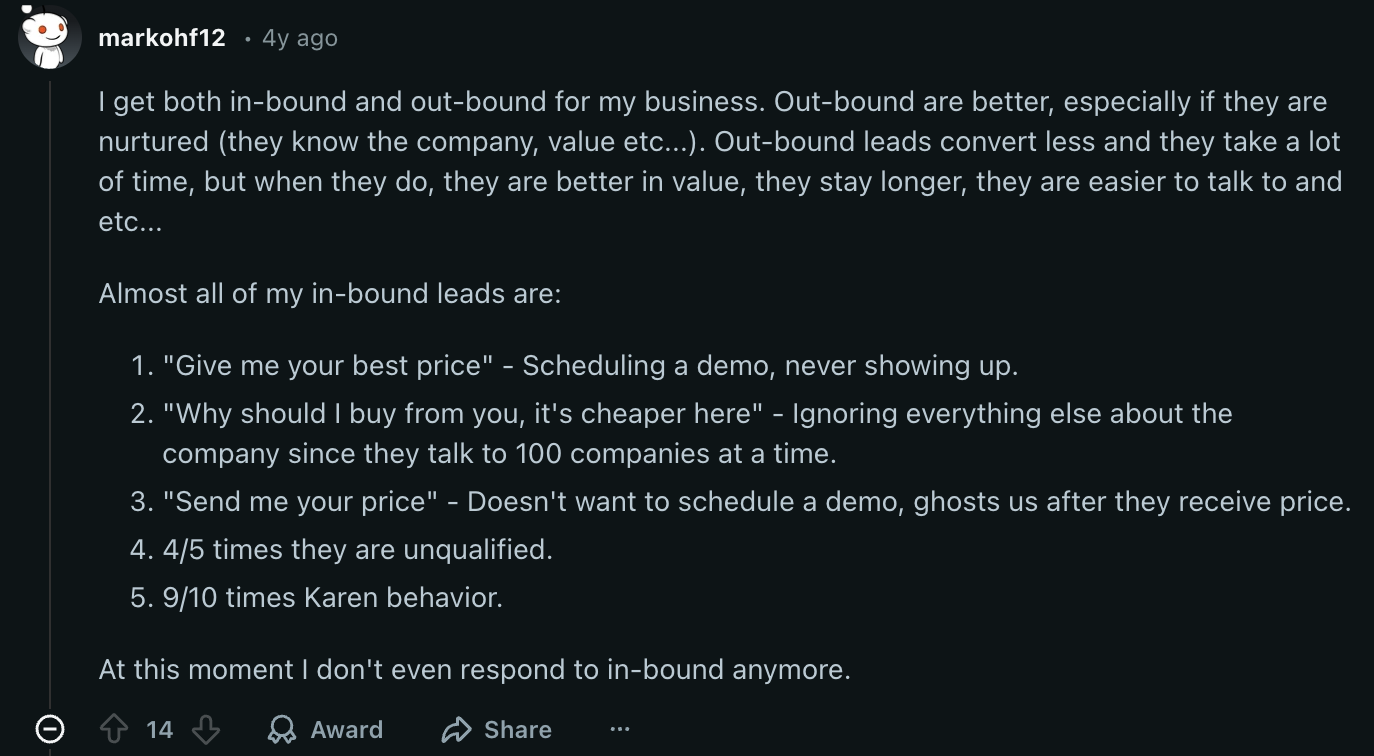
Following up on an inbound lead is easy. What’s hard is qualifying leads that enter your inbound sales funnel. You need to implement steps in the process to ensure you’re getting leads with the intent and capability to buy, not just interest. This is where outbound sales gets the edge.
When is Outbound Sales Easier Than Inbound?
Outbound becomes much easier when you’ve established a consistent winning strategy. For example, if you have a cold email strategy that gets replies, all you have to do is add leads and scale your campaign. The good news is that the bulk of the process can be automated.
With Instantly SuperSearch, for instance, you get the highest quality leads, enrich them with in-depth data to gauge potential intent and fit, and add leads immediately to any Instantly campaign.
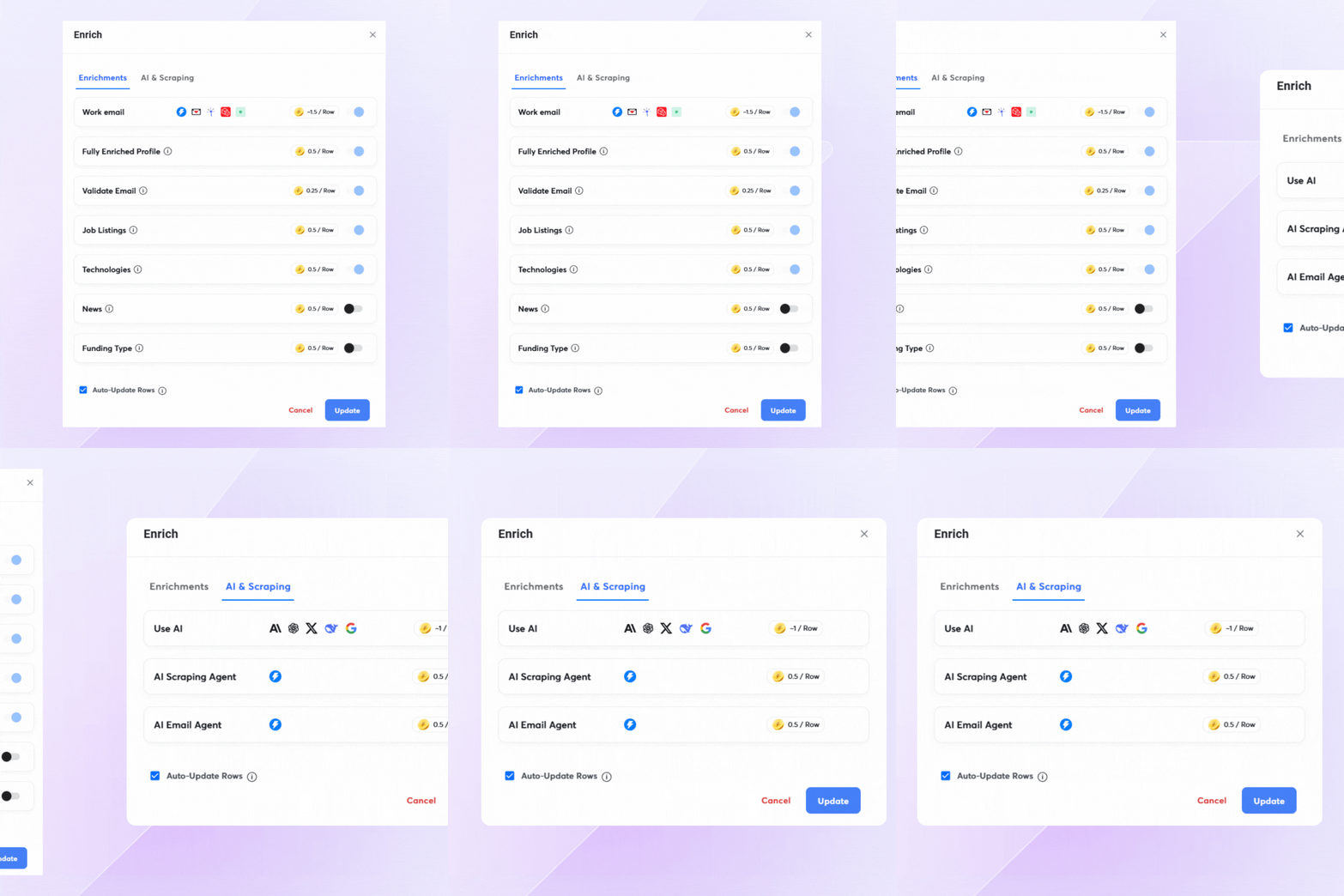
Once leads are added, you can automate personalization with {{custom variables}} based on your lead data.
The Parallels Between Inbound and Outbound Sales Strategies
At the execution level, inbound and outbound look very different. Different tools, different entry points, different daily workflows. But once the first conversation starts, the playbook becomes surprisingly familiar.
Here are a few similarities between inbound and outbound:
Shared Goal: Consistent, Qualified Pipeline
Inbound and outbound are just two levers you can pull to protect that consistency. Inbound protects your baseline. It gives you a stream of leads that come in when content ranks, campaigns perform, and your brand gets discovered.
Outbound secures your ceilings. When inbound slows down, or when you need to hit a target, outbound lets you reach into specific accounts and create opportunities at scale.
Thinking in terms of a shared pipeline goal also changes how you plan. You start by mapping out how many qualified opportunities you need per month.
Then decide how much of that should realistically come from inbound or outbound efforts. If inbound can only cover 40%-50% of that number right now, outbound helps close the gap.
Same ICP, Different Entry Points
Inbound and outbound are still targeting the same ideal customer profile. The difference is where the first interaction begins.
With outbound, you identify the same ICP with a database, enrich the info, and contact them through cold emails, InMails, or cold calls. Inbound leads, by contrast, are generated using organic search, social media, or paid advertising. They land on your site, read, browse, and leave their details.
And in case where leads who visit your site don't leave their information despite showing intent, Instantly’s Website Visitor Identification tool can help you get their details for targeted outreach.
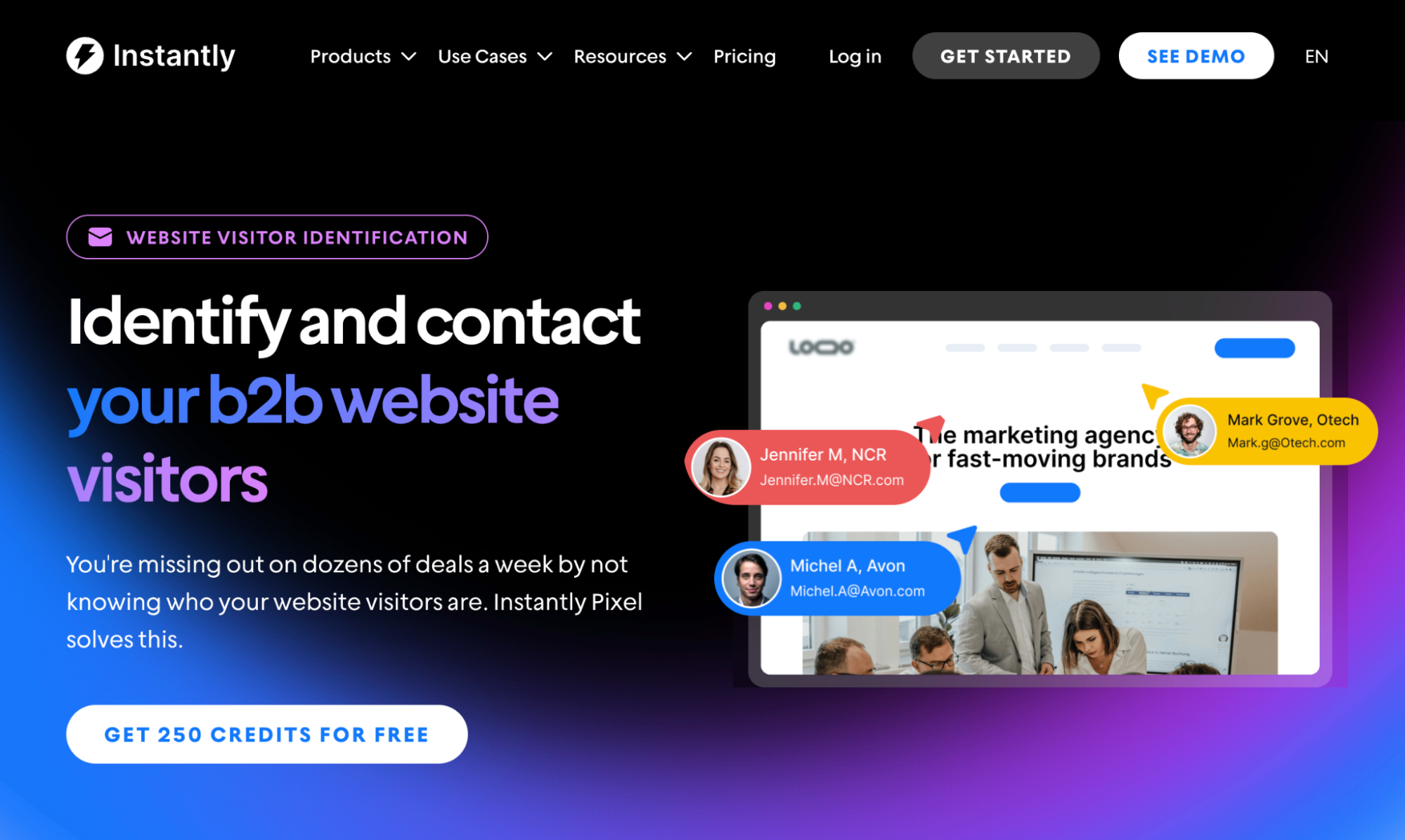
In other words, you can essentially create "semi-warm" leads by reaching out to these contacts while intent is high and convert them with personalized cold emails.
The Core Sales Process Is Identical
No matter how a lead enters your world, the actual sales process that follows is essentially the same. A prospect who books through a website form and a prospect who replies to a cold email both move through the same core stages:
- Discovery
- Qualification
- Problem framing
- Objection handling
- Next steps and onboarding
Best Strategies for Inbound Sales
The most effective inbound sales strategies are designed to attract high-quality leads with genuine interest and a clear buying intent. These systems pull the right people toward you through value, relevance, and timing. Below are the core inbound motions you should try:
SEO and Content as a Demand Engine
At its best, inbound content attracts the right traffic. Buyers who are searching for solutions, comparing options, or trying to solve specific problems. This is why intent-driven keywords matter more than raw volume. Each content asset should map to a stage in the buyer's journey:
- Educational pieces for problem-aware leads
- Comparison and use-case pages for solution-aware leads
- Product and pricing content for decision-ready leads
Content also works as your first layer of lead qualification. The topics people read, the pages they spend time on, and the paths they take through your site all signal where they are in their buying journey.
Website Visitor Identification and Retargeting
Most inbound traffic never fills out a form, which means a significant portion of buying intent is often lost in analytics. Website visitor identification flips that by revealing which companies are on your site, what pages they viewed, and how often they return.
This turns anonymous traffic into actionable outbound and sales-ready data. Once those visitors are identified, retargeting becomes the natural next step. You can follow them across ads, email, or outbound outreach with messaging tied directly to what they already showed interest in.
High-Intent Lead Magnets
If we’re aiming for a truly warm outreach approach, creating high-intent lead magnets is one of the best ways to gather contact information. Some of the best examples of this are:
- Gated content (in-depth content only unlockable with a verified business email)
- Benchmarks gathered from your own unique data and strategies
- Calculators for pricing estimates, comparisons, and ROI projections
- Templates for sales playbooks, call scripts, revenue, and GTM
- Case studies and step-by-step breakdowns
Referrals
Referrals are one of the strongest channels for inbound leads because they skip half the trust-building process. When someone vouches for you, the new prospect shows up already believing you might be the right fit. That makes conversations warmer and easier.
But you can’t treat referrals as a “nice surprise.” You need a system. Ask for introductions after a win (successful implementation or strong feedback), give customers a clear script they can forward, and offer simple, relevant incentives when it makes sense.
LinkedIn Posting and Engagement as an Inbound Channel
If you’re in B2B, LinkedIn is one of the best platforms for generating inbound leads. You can build your brand while growing your network and get to connect with potential prospects in the process. Here are some ideas to get you started:
- Teach: 5–7 step how-to threads, carousels with checklists, or frameworks tied to a specific outcome.
- Show: 45–90 second screen recordings of a tactic, before-and-after mini case studies, or “teardown” posts.
- Compare: Build vs buy, vendor A vs B, or “good/better/best” options with a clear recommendation.
- Event invites: “Free 20-minute live teardown” or “Ask-me-anything” with a LinkedIn Event link and a one-sentence reason to attend.
If people engage with your post, it’s a sign of interest. Next, you need to qualify intent. You can do this using this engagement workflow:
- Reply to the first comments within 2 hours and add a follow-up question.
- Click through the commenter profiles and find those that match your ICP.
- Leave a thoughtful comment on their latest posts to open a second thread of context.
- Send a DM that references your interaction and send invites to events or an asset link.
Best Strategies for Outbound Sales
What outbound sales lacks in built-in trust and early education, it makes up for in scale, volume, and precision. You can reach very specific people, in very specific companies, with targeted offers. Here are the strategies that help you do just that:
Cold Email Marketing
Cold email marketing has proven time and again to be the best channel for scaling outbound sales. You can reach thousands of leads that fit your ICP, send hyper-personalized emails to each one, and repeat the process like clockwork. And with the right tools, you can optimize campaigns in real time.
As long as you have a relevant and valuable offer to provide prospects and aren’t dabbling in any "spammy" practices, compliance with email marketing laws isn't anything to really worry about. So, how do you start with cold email marketing? Here’s what you need:
- Alternate domains and inboxes to be used for sending cold emails on your behalf.
- Technical setups (SPF, DKIM, DMARC) so alternate domains can send/receive emails.
- Email warmups to ensure deliverability rates are high.
- High-quality, validated lead lists that fit your ICP.
- An email automation tool for sending, follow-ups, and personalization.
Instantly provides all of this and more, making cold email easier to access for all businesses.
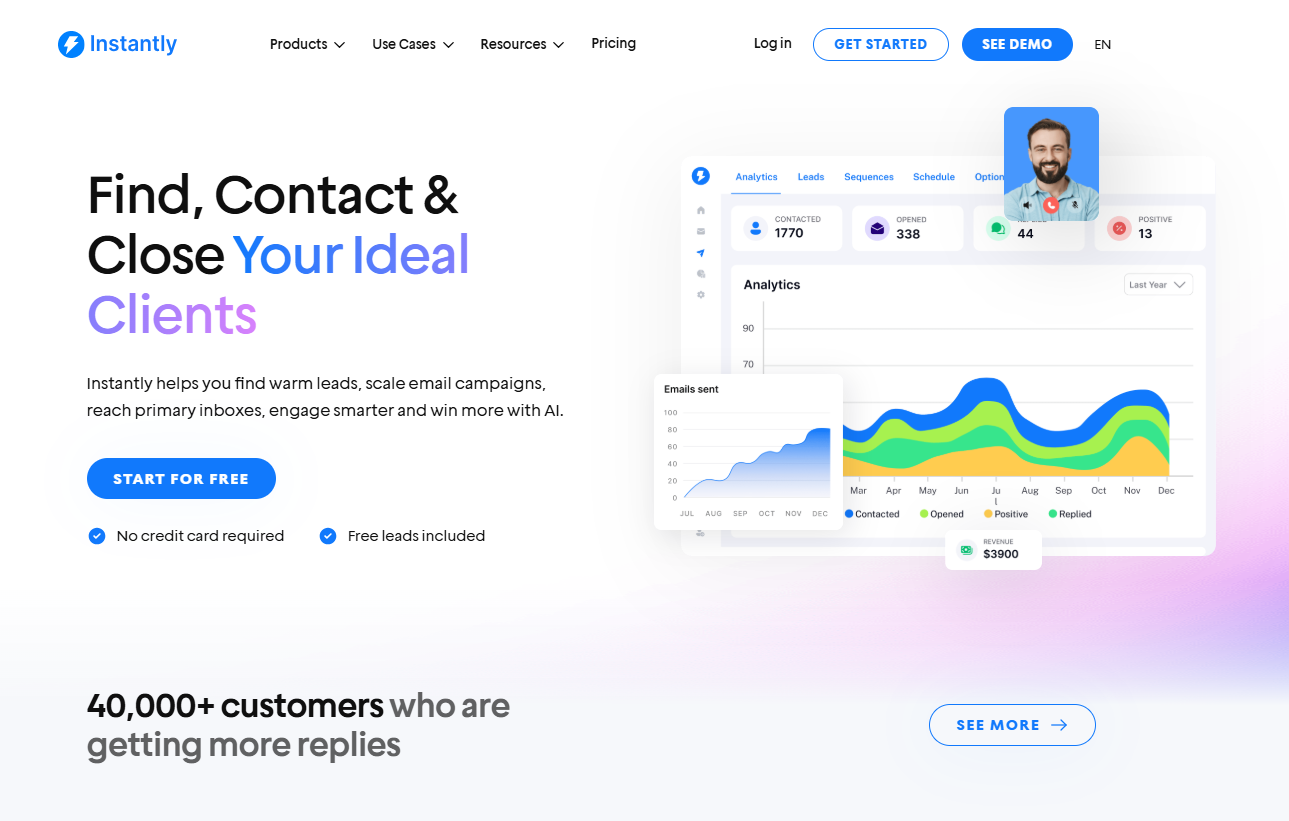
G2 Rating: 4.8/5 ⭐ from 3,926 reviews
You can get affordable alternate domains from Instantly Done-For-You (DFY) email setup service. Instantly also handles all technical setups. Domains are added to a premium warmup pool.
SuperSearch gives you access to 450M+ pre-verified B2B leads in multiple industries. AI-powered features help automate personalization using lead data and {{custom variables}}.
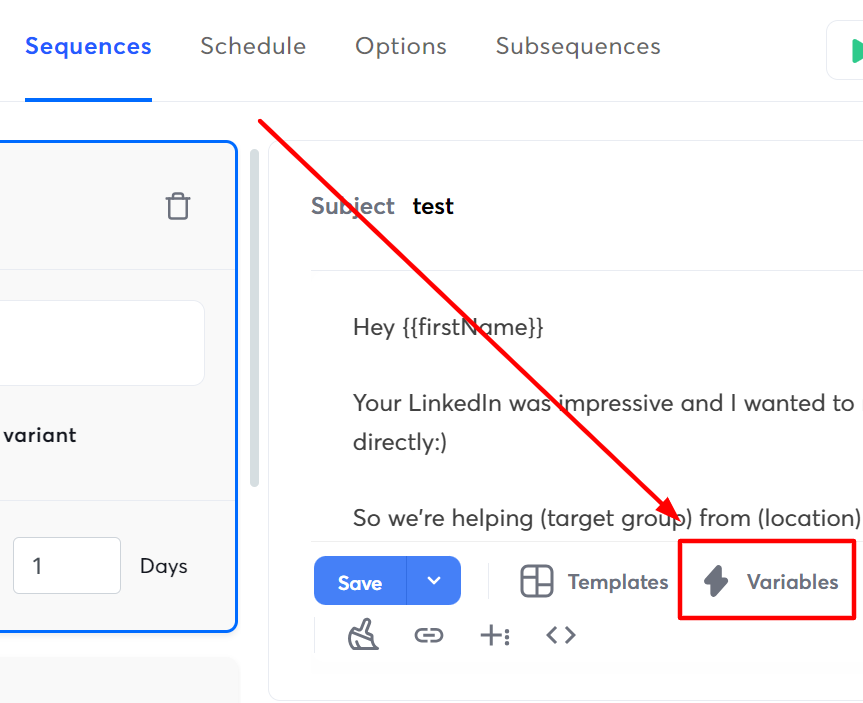
You can also auto-optimize campaigns by identifying the best-performing email variation. Put simply, everything aspect of cold email marketing is taken care of so you simply focus on your converting prospects.
Cold Calling
Cold calling sits on the other side of the cold calling vs cold email debate. Where email gives you async convenience and scale, calls give you real-time feedback, immediate clarification, and the chance to build trust in a few minutes instead of a long thread.
The biggest difference between the two is that you trade volume for depth and speed of learning. People can ignore an email forever. On a call, you are interrupting their day, which means you need sharper relevance and better timing.
To run cold calling well, you need more than a list and a dialer. You need:
- A clear ICP and call list that matches your outbound email targeting.
- A basic tech stack (dialer or softphone, CRM, call logging, and a way to take notes fast).
- Time blocks for focused calling so you are not “squeezing in” dials between meetings.
Call scripts are where most teams go wrong. A good cold calling script is not a wall of text; it is a call flow. You want a strong opener, one sentence on why you are calling, 2–3 discovery questions, and a simple, low-friction CTA.
Social Selling
Social selling is outbound that doesn’t feel like an interruption. Instead of breaking into someone’s day, you’re entering conversations they’re already having.
Platforms like LinkedIn work especially well here because your buyers are publicly sharing problems, opinions, and context you can respond to in real time. At a minimum, social selling requires three things:
- A clear profile: In one glance, it should be obvious who you help, what problem you solve, and for whom. If someone clicks your profile after a comment, they should immediately understand why you’re relevant.
- Consistent, useful posts: Share ideas tied to real challenges and outcomes your ICP cares about, not generic motivation or product updates. Teaching, showing examples, or breaking down trade-offs works best.
- Targeted engagement: Comment thoughtfully on posts from prospects, customers, and partners. The goal is to add substance, not visibility for visibility’s sake.
Once there’s light familiarity, you can move into DMs without forcing the conversation. Reference something specific they shared, keep the ask small, and offer something genuinely useful. For example:
“I saw your post about outbound consistency dropping once volume increases. A few teams we work with ran into the same issue, so we put together a short checklist they use to spot problems before deliverability or replies fall off. Happy to send it over if that’s useful.”
Key Takeaways
There shouldn’t be a debate on whether or not inbound or outbound sales are better. Both play essential roles in the overall goals of every business: creating sustainable, repeatable, and profitable sales pipelines. But there are nuances you need to learn to make the most of both:
- They target the same ICP: inbound captures demand, outbound creates it.
- Your mix should change with your stage: use outbound for speed, layer inbound for compounding, and lower customer acquisition costs (CAC) growth.
- Alignment is the real advantage: shared ICP, metrics, and feedback loops enable both teams to perform better.
- The tools differ, but the sales process remains the same: you still run discovery, qualify, handle objections, and set next steps.
If you want to scale through outbound sales while supporting inbound, there’s no better tool than Instantly. Built a strong infrastructure, find high-quality leads, and automate sales outreach at scale.


