.svg)
%20(1).svg)


Updated January 7, 2026
Lately, everyone’s shouting online, but fewer people seem to be listening. Ads cost more than ever, and social media keeps shrinking your reach. It feels like the harder you try, the less you get back.
But one channel still quietly outperforms the rest: cold email. Done well, cold emailing is absurdly efficient. Learn more in our cold email fundamentals guide. According to a Litmus study, dialled-in cold email campaigns can deliver up to $36 for every $1 spent.
The thing is, inboxes in 2026 aren’t what they used to be. Filters are sharper, prospects are pickier, and blasting out a few hundred generic messages won't work. If you want real results, you’ve got to send better, not just more.
Here’s how forward-thinking teams are improving their cold email outreach ROI without relying on volume, and how Instantly helps you get the most bang for your buck. Our email outreach best practices guide walks through this step by step.
Redefine ROI: Measure What Matters
Most marketers spend all their time chasing “vanity metrics” like open and click rates. Yes, these metrics still matter, and they look great in reports, but they don't really tell you whether your campaign actually moved the business forward.
Cold email ROI should be measured by impact, not activity. See our cold email strategy for replies guide for a full breakdown. That means focusing on the volume and quality of sales opportunities generated per campaign, not just how many people clicked or opened.
Revnew’s 2024 data shows that high-performing teams prioritize the following:
- Positive reply rates that signal genuine interest (not “remove me” replies).
- Meetings booked per 100 sends as a true activity-to-outcome ratio.
- Cost per qualified lead to understand acquisition efficiency.
- Revenue generated per campaign as the ultimate success marker.
Once you start thinking in terms of real revenue instead of just email opens, your whole approach changes. You stop chasing numbers that look good but don’t matter, and start focusing on what drives meaningful growth.
The Segmentation Shift: From Static Lists to Real Signals
Sending a generic pitch to “all CEOs” won’t get you far anymore. In 2026, list segmentation has to go deeper than just role and industry. It needs to capture timing, context, and what your prospect is actually thinking about right now.
Instantly Supersearch, for instance, makes this level of targeting refreshingly effortless. Instead of dumping every lead into one spreadsheet, you can build dynamic lists that update with filters like industry, role, icebreakers, tech stack, etc.
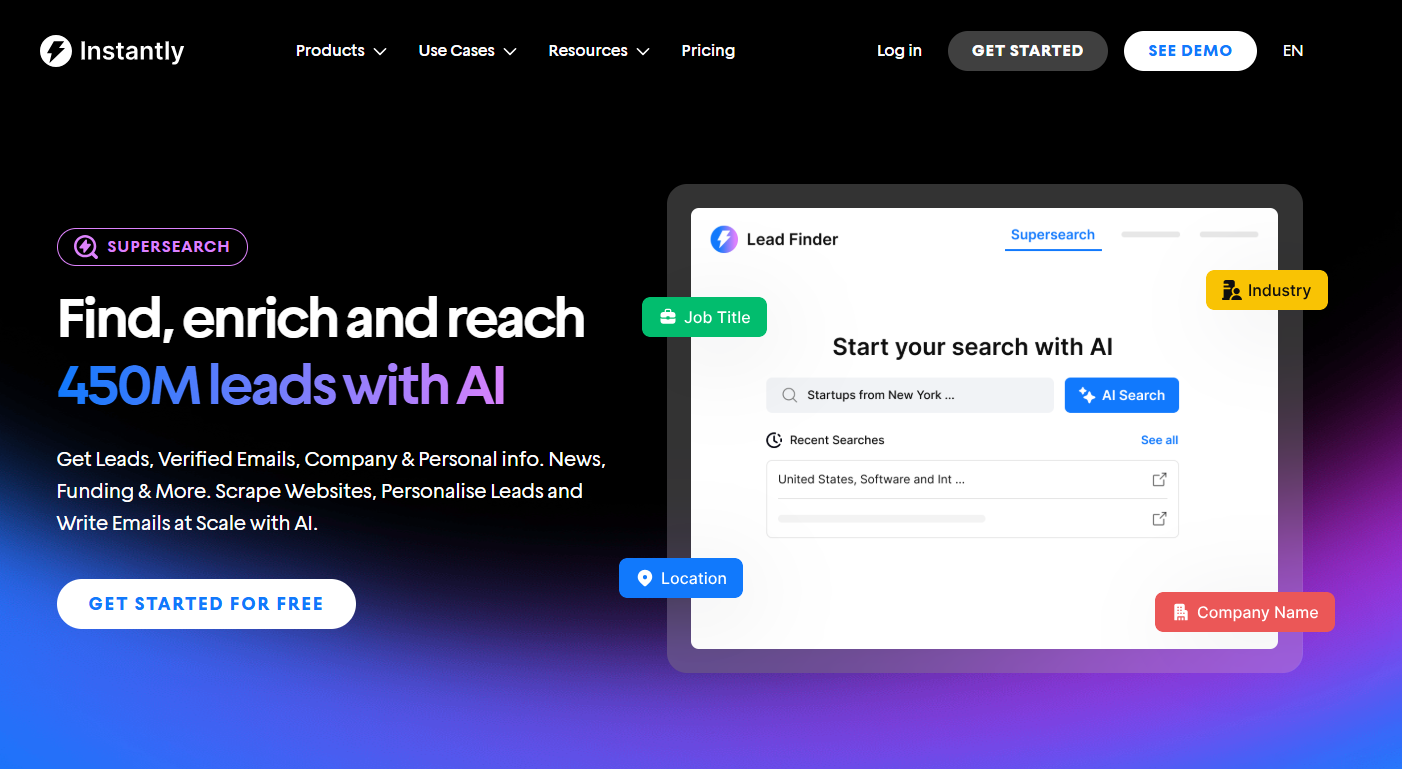
With AI-powered support, you can simply type in signals like “hiring for 10+ roles” or “just raised Series A,” to reach the right people at that pivotal moment they business decisions.
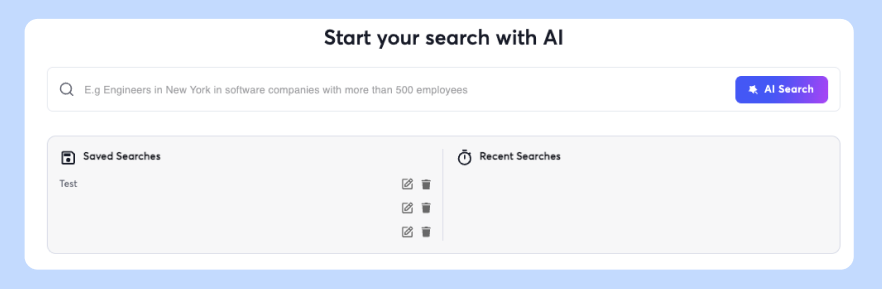
For example, instead of a vague list of “SaaS founders,” you could pull segments like:
- Founders who just expanded into Europe
- CTOs switching from Azure to AWS
- Marketing directors at Series B startups who are rapidly hiring
When your email matches a moment your lead is already focused on, you’ve done half the work for them.

What’s in It for Them: Make the Offer Irresistible
A cold email can have the perfect personalization, but without a strong value proposition, it dies on arrival.
Your offer is the bridge between attention and action, and in cold email, it needs to be clear, easy to understand, and even easier to say yes to. And specificity is the key here:
“We helped {{competitor}} reduce onboarding time by 32%.”
“We grew {{company}}’s trial-to-paid conversion rate from 18% to 37% in 90 days.”
Pair this with a low-commitment next step (like sending a short case study or offering a free 3-slide teardown), and you’ll remove any psychological resistance that makes many prospects delete emails without replying.
Master the Follow-Up Game
Most replies don’t come from your first email. In fact, over 80% of responses happen after the second touch. Yet the majority of senders stop after one attempt, walking away before the real conversations even begin.
A great follow-up does two things:
- It shows you’re serious without being pushy.
- Adds something new rather than just repeating the original message.
Your second email might introduce a relevant case study. The third could offer a one-minute Loom video with a quick audit. A fourth might deliver a compelling data point your prospect hasn’t seen before.
This “layering value” approach makes each follow-up feel like a continuation of the conversation, not a recycled nag.
Protect Deliverability at All Costs
Even the best-crafted cold email can’t deliver ROI if it lands in spam. So, in 2026, email deliverability is more sensitive than ever, thanks to evolving spam filters and domain reputation tracking.
A campaign that’s brilliant but only reaches 70% of inboxes will underperform no matter what. Best practices include:
- Warming up domains slowly so they earn trust before the real send.
- Using custom tracking domains to avoid shared reputation issues.
- Splitting send volumes across multiple inboxes to spread the load.
- Running regular spam tests to spot issues before they spread.
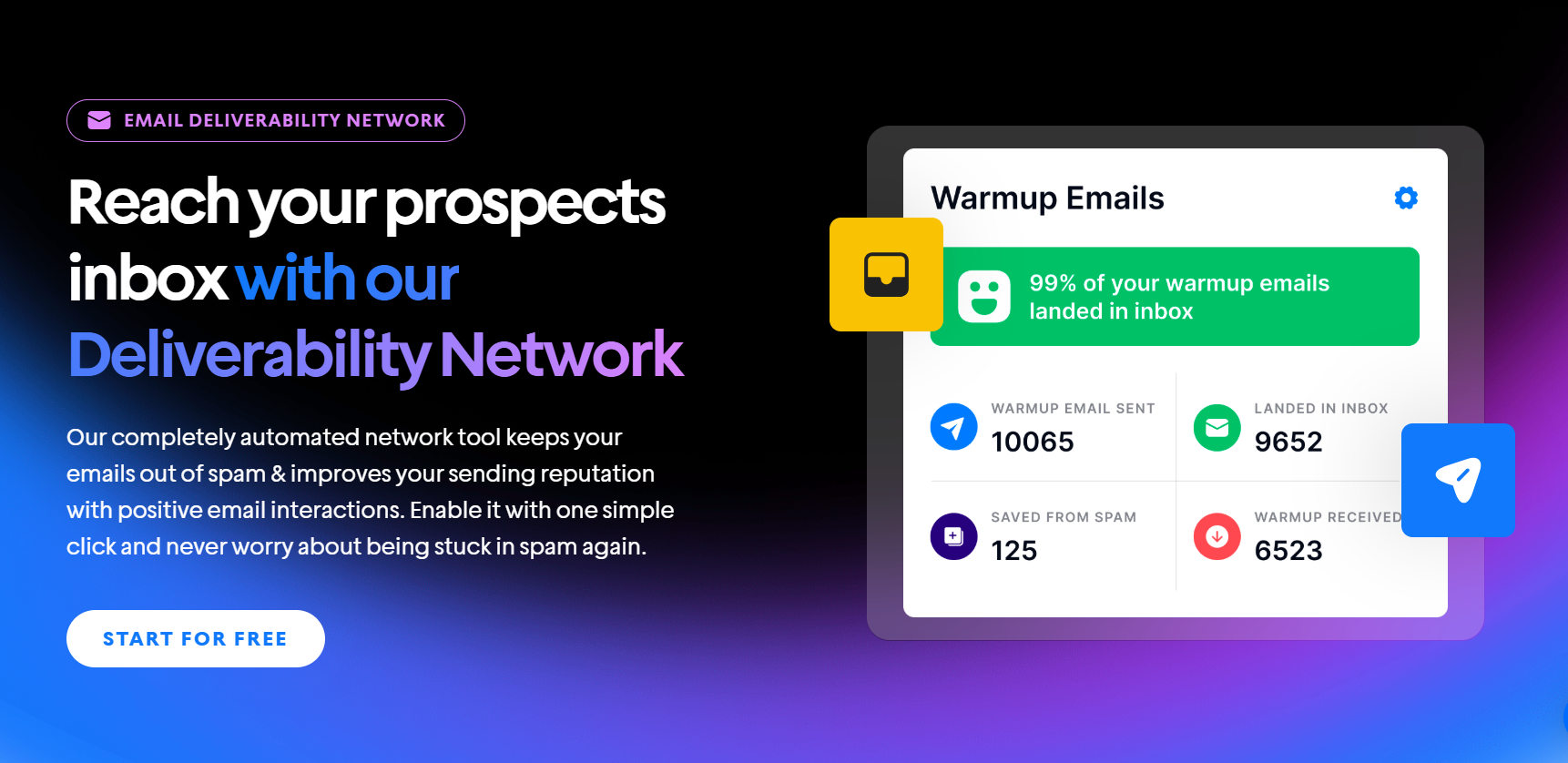
Instantly makes all of this second nature. It warms domains automatically, rotates through inboxes without missing a beat, and runs deliverability checks in real time, so your emails arrive where they’re meant to, ready to be read.
Automate But Stay Human
Cold email automation lets you scale outreach, but the second your emails feel automated, you lose the human connection that makes cold email work. See how our cold email sending tool can help you maintain a personal touch. The most successful teams blend smart tools with equally smart messaging:
- Instantly for sending at safe, scalable volumes.
- Natural, non-templated cold emails that reflect research into the recipient’s business.
- Thoughtful timing and follow-ups that keep the conversation alive without feeling forced.
Automation should help you free up time for better cold email personalization, never becoming a substitute for it.
Test the Variables That Make a Difference
Most cold email testing is often reduced to swapping subject lines, but the biggest ROI jumps come from testing offers and list quality rather than just headlines. High-value tests include:
- Pain-point messaging vs. growth-focused messaging.
- Varying the CTA from a “quick call” to “free audit.”
- Short, direct copy vs. slightly longer proof-based emails.
The goal should be to find the message-market fit that your ideal audience can’t ignore, not just to test for the sake of it.
A Few More Quick Tips to Boost ROI Without Extra Volume
If your campaigns are already running, these high-impact adjustments can improve ROI immediately:
- Use reply triggers: Instead of a full reply, ask for a simple “yes” to receive more information.
- Incorporate micro-case studies: Short, 2-3 sentence success stories keep interest high without overwhelming recipients.
- Sequence cross-channel touches: After email 2, consider connecting on LinkedIn or commenting on a prospect’s recent post before email 3.
- Experiment with send times: Our data shows Tuesday and Thursday mornings between 8-10 AM local time often yield the highest open rates.
- Create a follow-up “breaker” asset: A one-page industry benchmark or fresh data point that positions you as a resource, not just a seller.
Key Takeaways
Most of the focus goes into the send (the copy, the targeting, the tools), but what happens after someone replies is what really sets the outcome.
A prospect replying “Yes, tell me more” is a great opening. What you do next (how fast you follow up, how clearly you communicate, how well you match their expectations) often decides whether the lead moves forward or disappears.
In high-ROI teams, replies are:
- Answered within minutes or at most hours, not days.
- Moved into a clear, pre-mapped follow-up sequence.
- Met with resources (case study, pricing overview, demo booking link) that match the prospect’s intent level.
Think of ROI as a chain: if your post-reply handling is weak, you’re breaking it at its most critical link. Strengthen that, and you improve your chances of doubling returns without sending an extra email.
Instantly puts all the pieces together in a single platform, helping you send smarter, keep inboxes clean, and connect authentically. Try Instantly for free today and start growing your cold email ROI.



