.svg)
%20(1).svg)


Email marketing works by sending targeted messages to your audience through a trusted email platform with proper authentication and list management in place.
Strong segmentation and personalization boost relevance, while automation delivers the right message at the right time. Performance improves through ongoing measurement.
Cold outreach is a related but distinct channel. It involves highly targeted messages to new contacts at scale and is best handled with specialized tools like Instantly.
If you're trying to understand email marketing, here's some good news: it's not nearly as complicated as industry jargon makes it sound. You'll hear of ESPs, deliverability, automation workflows, and more.
But fundamentally, every successful email marketing campaign sits on a foundation of three moving parts: an audience you can reliably reach, the tech that delivers messages, and a strategy guiding what to send and when.
In this article, you’ll learn how those pieces fit together, what types of emails drive real results, and where outbound cold outreach belongs in your overall email engine. Every effective cold email outreach system treats personalization, targeting, and deliverability as a unified strategy, getting specific about who receives your email is what separates legitimate B2B outreach from spam.
What is Email Marketing?
You'll hear a lot of opinions about what email marketing actually is. A very common one: "Email marketing is just newsletters." Sure, newsletters are part of it, but that's like saying a car is just a steering wheel.
This oversimplification makes email marketing sound like a single weekly task you check off your to-do list. The reality is way more interesting. Instantly was specifically designed by cold email marketing veterans to pilot the full outbound process, from domain warmup and AI-powered sequencing to a 450M+ verified lead database.
Email marketing is the practice of sending targeted messages to groups of people to achieve specific business goals, whether that's driving sales, building relationships, keeping customers engaged, or staying top-of-mind.
Your emails can show up in different forms (transactional messages, automated sequences, cold outreach, etc.), depending on what you're trying to achieve. We'll talk more about each of these later.
For now, let’s answer one important question: Is email marketing (still) worth it in our increasingly convoluted digital environment? Absolutely. Even today, 99% of email users check their inbox every day, with some checking as many as 20 times a day. That's a level of attention most marketing channels can only dream about.

Businesses use email because it's a direct line to people. Unlike social media, where algorithms decide who sees your posts, email lands right in someone's inbox.
You own the relationship, the results are measurable, and it works whether you're a one-person show or a massive corporation.
For a complete setup checklist covering SPF, DKIM, DMARC configuration, warmup ramp schedules, and inbox placement monitoring, see this email deliverability guide before launching any campaign.
How Does Email Marketing Work?
Email marketing runs on three moving parts: your audience, the tech that delivers your messages, and the strategy that makes it all effective.
Building your email list
You can't send emails without people to send them to. For most businesses, that means collecting subscribers who have permitted you to show up in their inbox.
The usual suspects for list building: signup forms on your website, lead magnets (think free guides or discount codes), checkout boxes on e-commerce sites, downloadable resources behind an email gate, or dedicated landing pages trading value for contact info. For a complete framework on tracking these metrics at the step level, reply rate trends, conversion attribution, and the KPIs that reveal where your funnel is leaking, see this email metrics tracking guide.
The technical infrastructure
If you want to nail email marketing, you need to get the technical part right first. Here’s what it includes:
- Email Service Providers (ESPs) are platforms like Mailchimp, Klaviyo, HubSpot, or ConvertKit that handle the heavy lifting: sending, tracking, and automating.
- Email deliverability decides if your messages land in inboxes or spam folders. It relies on authentication protocols (SPF, DKIM, DMARC) that verify you're legit. Miss this setup and your brilliant email copy goes unseen.
- List management keeps your contacts organized with info, preferences, and behavior patterns. Better organization equals better targeting equals better results.
The strategy
Now you stop being technical and start being smart.
- Segmentation splits your audience into groups based on what they do, who they are, or where they stand in your funnel. A first-time visitor shouldn't get the same email as someone who's purchased from you three times.
- Automation does the work while you sleep. Set up triggers that fire based on actions: new subscriber gets a welcome series, abandoned cart gets a gentle nudge, and inactive customer gets a "miss you" message.
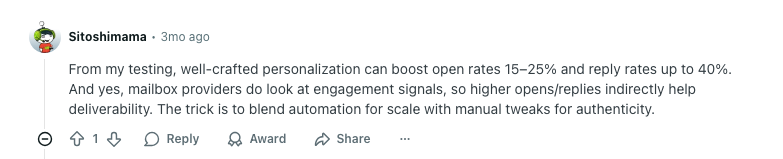
- Personalization is so much more than just dropping someone's name into a template. Use everything relevant you know about them (location, purchase history, website behavior, pain points) to send emails that feel custom-made.
For data-backed formats and structural patterns behind subject lines that get replies in cold outreach contexts, see the full cold email subject line research guide.
Measuring what matters
Email gives you numbers for everything. Focus on these:
- Open rates (15%-25% is average) show if your subject lines grab attention.
- Click-through rates (2%-5% typically) reveal if your content motivates action.
- Conversion rates confirm people are doing what you asked (buying, signing up, downloading).
- Revenue attribution traces dollars back to specific campaigns. This is the metric your business actually cares about.

What Are the Different Types of Email Marketing?
Different email types serve different purposes depending on what you're trying to achieve and where someone is in their journey with your brand. Let's briefly go over the most common formats in use today.
Promotional emails
These are your sales-driven campaigns. These are the limited-time discounts, new product launches, and seasonal sales that exist purely to drive immediate purchases and revenue.

Newsletters
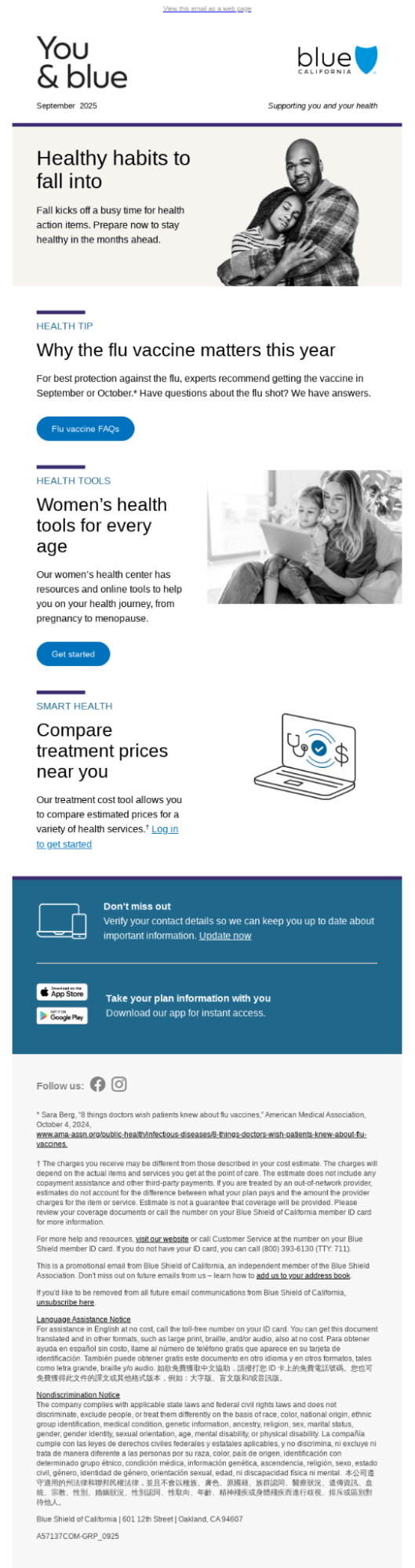
Newsletters offer regular content updates that build relationships over time. They typically include weekly industry insights, company news, helpful tips, and curated resources. Think of newsletters as your way to nurture prospects for the long haul and stay relevant without constantly asking for a sale.
Transactional Emails
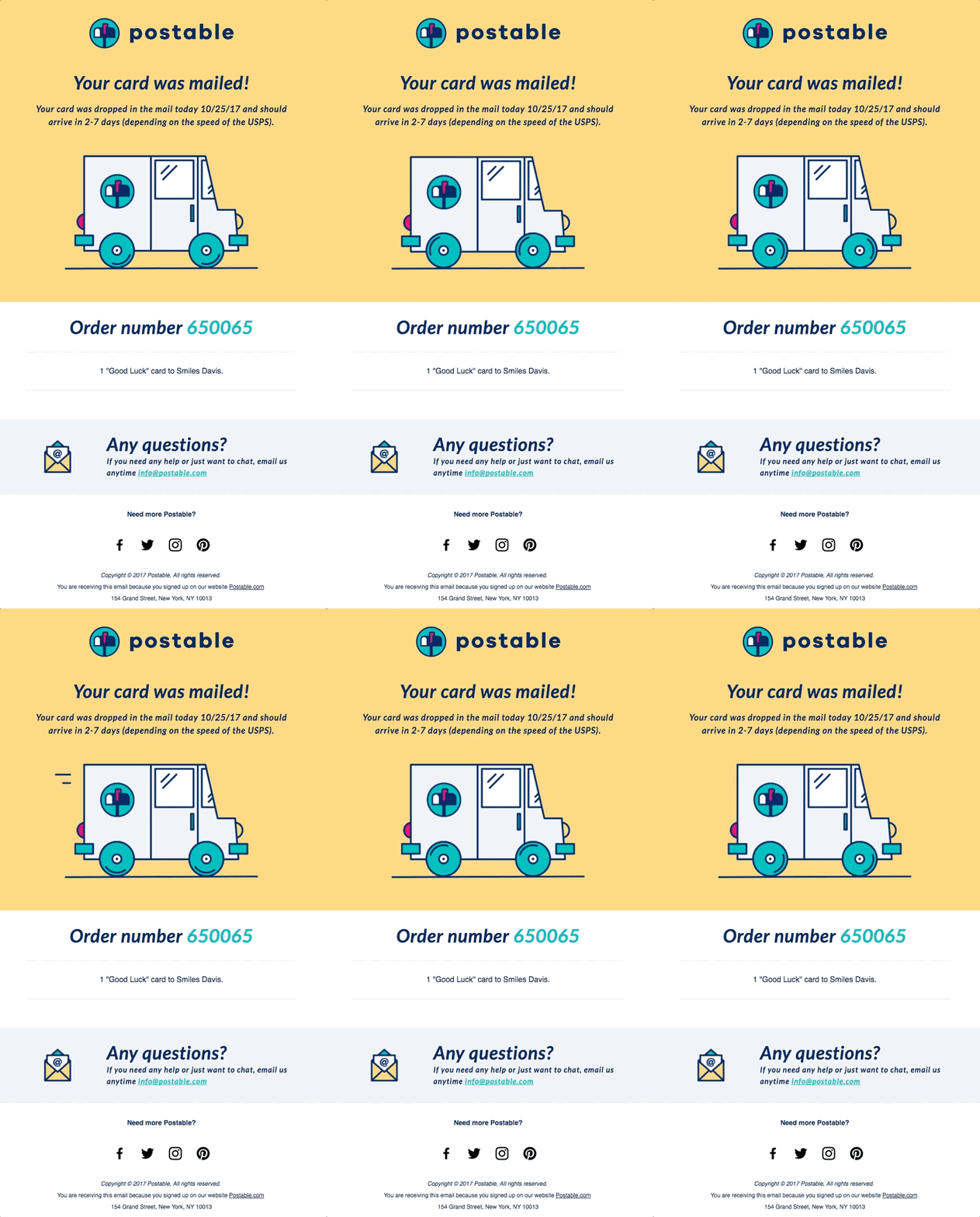
Transactional emails include order confirmations, shipping notifications, password resets, and similar types of messages. People open these at much higher rates than any other email type because they actually need the information.
Smart brands sneak subtle product recommendations into transactional emails since readers are already engaged.
Welcome Emails
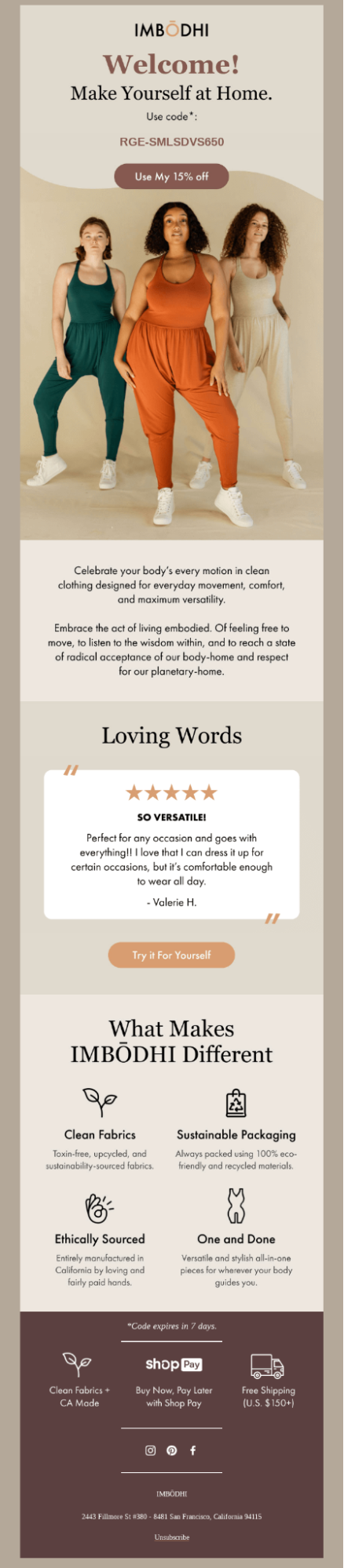
These emails help make a great first impression after someone subscribes. The most effective welcome experiences aren't just one email but a series of 3-5 messages that set expectations about what you'll send and introduce your brand's personality.
Re-Engagement Campaigns
These emails go after people who've stopped opening your emails. "We miss you" messaging, special comeback offers, or simple check-ins to confirm they still want to hear from you. These help clean your list and win back lost subscribers.
Educational Emails
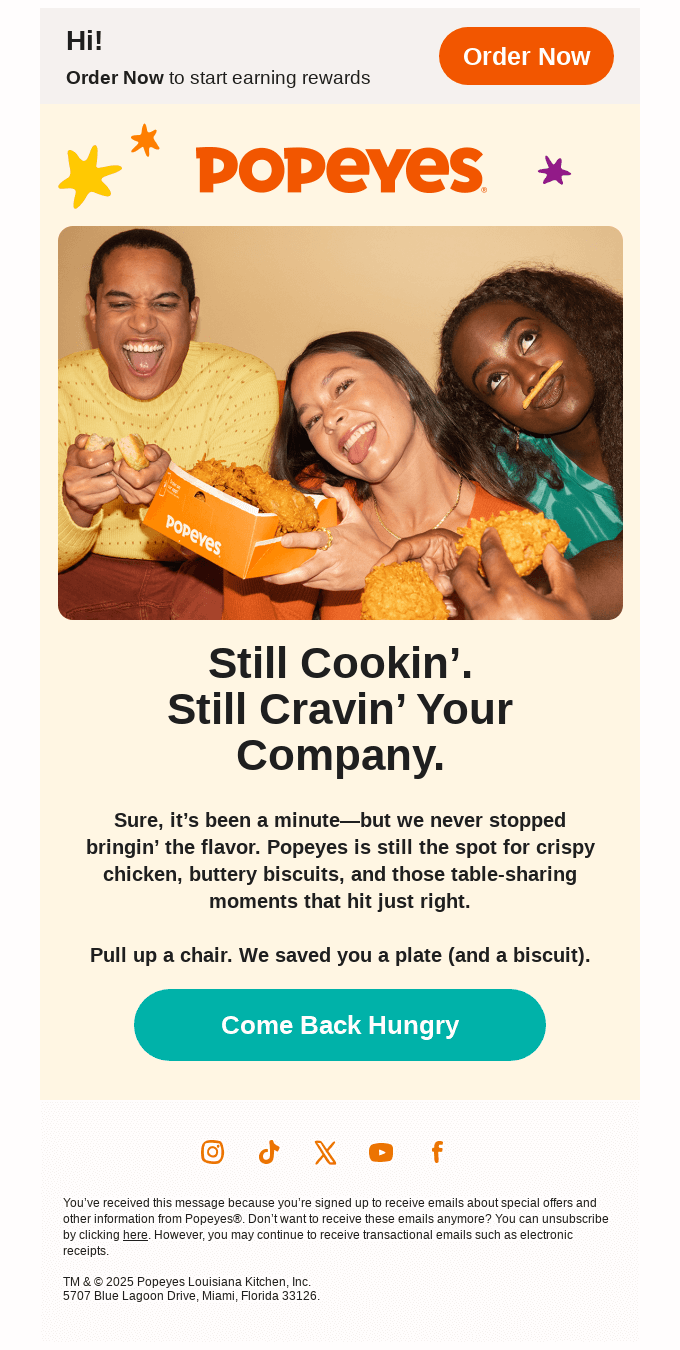
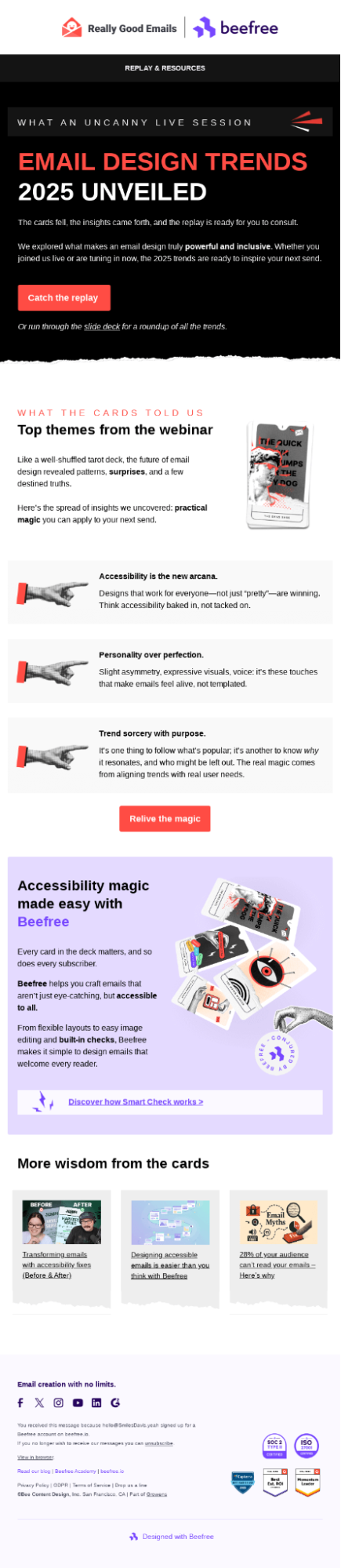
Educational emails share how-to guides, best practices, and case studies without pushing for immediate sales. The real goal is building trust and making your brand seem helpful rather than just transactional.
Cart Abandonment Emails
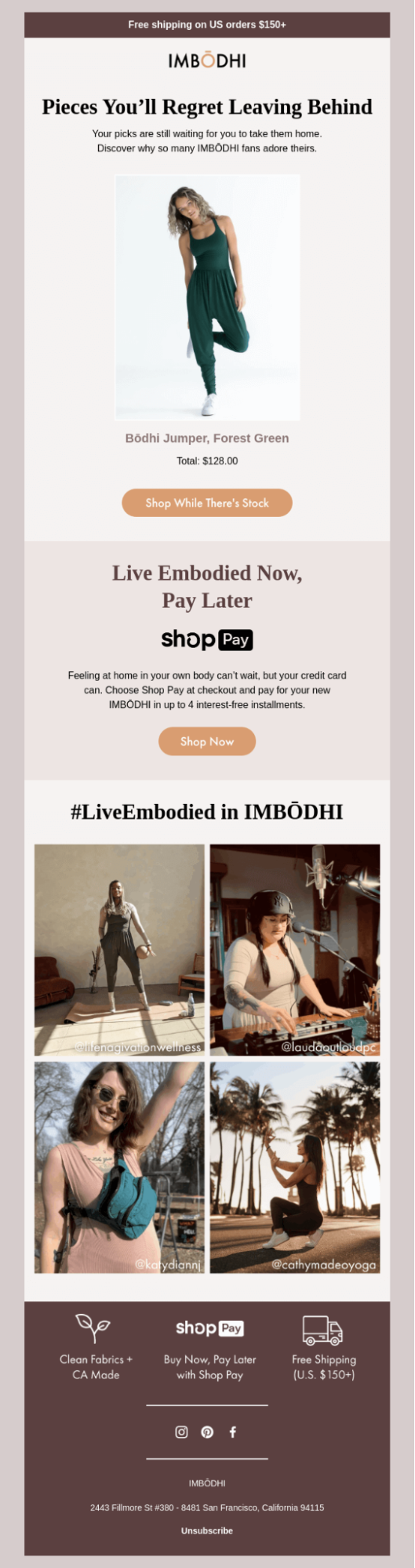
These emails might deliver the highest ROI of any email you send. When someone adds items to their cart but bails before checkout, an automated follow-up sequence has been proven by many studies to recover 10%-30% of those would-be-lost sales.
Are Cold Emails Considered Part of Email Marketing?
Yes, they are. Cold email outreach is the outbound, proactive version where you initiate contact with potential customers.
What makes cold email different
Cold email operates on completely different rules than the other email types because the relationship dynamic is reversed.
- No prior relationship. The person receiving your cold email hasn't visited your website, signed up for anything, or clicked on your ad. You're starting from scratch with someone who doesn't know you exist.
- You're making the first move. Instead of waiting for inbound traffic from search or social, you're identifying exactly who you want to work with and reaching out directly to them.
- Highly targeted. Cold email works best when you get extremely specific about who receives it. Companies of a certain size, people with particular job titles, businesses in specific industries. The narrower your focus, the better your results.
- Different tooling. Most people skip traditional ESPs like Mailchimp for cold outreach. Instead, they use platforms built specifically for prospecting.
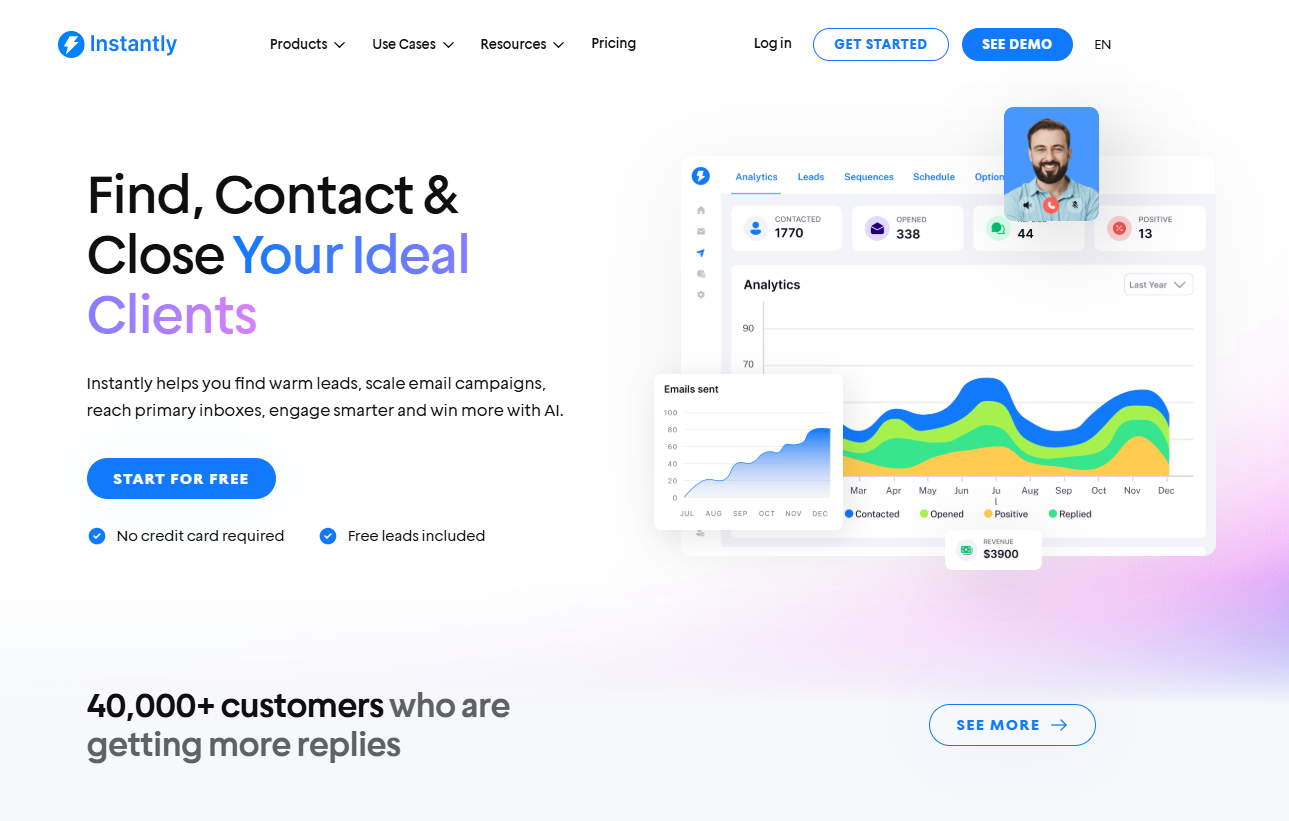
Not sure where or how to kick things off with cold email marketing? We're here to help. Instantly is a renowned name in the cold email marketing and B2B sales engagement space.
G2 Rating: 4.8/5 ⭐ from 3,861 reviews
Instantly was specifically designed by cold email marketing veterans to pilot the full outbound process. It's packed with advanced deliverability features, warming up sending domains, an AI-powered campaign engine with smart sequencing, a 450 million+ lead database with verified contacts, and so much more.
When cold email marketing makes sense
Cold outreach works particularly well in certain situations.
- B2B sales and lead generation. When you're selling to other businesses and can clearly identify your ideal customers, cold email is one of the fastest ways to get in front of decision-makers.
- You need a pipeline today, not six months from now. SEO takes time. Content marketing takes time. But with cold email, you can start conversations this week.
- Your product solves a clear, specific problem. The more directly you can explain why someone should care in about three sentences, the better cold outreach performs.
How Cold Email Fits into Your Overall Campaign Strategy
Think of cold outreach as living at the very top of your funnel. It's how you proactively generate leads while other strategies (content, SEO, social) work in the background.
The flow typically looks like this:
→ You send cold emails to targeted prospects who match your ideal profile
→ A percentage respond positively and book meetings
→ Some become customers
→ You transition them into your regular email marketing for newsletters and relationship building.
One important thing to keep in mind: cold email needs to stay separate from your broader email marketing campaigns. Don't mix cold prospect lists with your permission-based marketing lists.
Also, use different domains for each, and track appropriate metrics for each. Success in cold email means typically single-digit response rates (1%-9%) and booked meetings. Success in newsletter marketing means 20% open rates and long-term engagement.
The compliance piece
Cold email has to follow regulations like CAN-SPAM in the US, GDPR in Europe, and CASL in Canada. You need a legitimate business reason to reach out, and you must provide an easy way to unsubscribe.
More importantly, cold email shouldn't feel like spam. That means doing your research, personalizing messages, and making sure your outreach is genuinely relevant. Buying email lists and blasting generic messages? That's spam, and it'll destroy your sender reputation.
Permission-Based Email Marketing vs. Cold Outreach: What's the Difference?
While both are email marketing, they operate pretty differently. Here's a side-by-side look:
Permission-Based vs Cold Email Marketing
| Aspect | Permission-Based Email Marketing | Cold Email Outreach |
|---|---|---|
| Relationship | Recipients opted in and expect to hear from you | No prior relationship; you're initiating contact |
| Primary Goal | Nurture existing relationships, drive repeat business | Generate new leads, start conversations |
| Audience | Subscribers, customers, people who know your brand | Targeted prospects who fit your ideal customer profile |
| Tools | Mailchimp, Klaviyo, HubSpot, ConvertKit | Instantly, Apollo, Reply.io |
| Success Metrics | Open rates (15-25%), click rates (2-5%), conversions | Response rates (1-5%), meetings booked, pipeline generated |
| Content Style | Brand-focused, promotional, educational | Personalized, problem-focused, conversation-starting |
| Best For | Ecommerce, content creators, existing customer bases | B2B sales, partnerships, recruiting |
Key Takeaways
Email marketing covers more ground than most people think. As a quick recap, here's what matters:
- Your email strategy can span everything from weekly newsletters to cart recovery messages to reaching out to prospects who've never heard of you (each plays a different role)
- Three things make it work: gathering the right people to message, setting up the technical pieces so emails actually land in inboxes, and knowing what to send when.
- Reaching out cold to potential customers counts as email marketing, too. It's particularly useful for B2B companies that need conversations started quickly.
- Your outbound prospecting and subscriber nurturing should live in separate systems with their own tools and success metrics.
For cold email specifically, you need a platform built for the job. Instantly handles domain warmup, deliverability management, and campaign scaling so you can focus on writing messages that get responses. Try it out for free today.



