


Updated March 30, 2026
TL;DR: Treat compliance as your best deliverability strategy, not a legal nuisance. ISPs penalize senders who ignore opt-outs and send to dirty lists. Use Legitimate Interest as your legal basis for B2B cold email, authenticate your domains with SPF, DKIM, and DMARC, process opt-outs within 10 business days (US), and verify every email before sending. Instantly automates list verification, unsubscribe handling, and warmup so you scale safely without risking domain reputation or legal exposure. Follow the rules and land in the inbox. Break them and watch your reply rates collapse.
Cold email compliance feels like a legal minefield, but here is the operational truth: the FTC levies CAN-SPAM fines up to $53,088 per email, and EU regulators impose GDPR penalties reaching €20 million or 4% of global revenue, whichever is higher. Beyond fines, broken compliance ruins your sender reputation. Google and Outlook use complaint rates, bounce rates, and authentication failures to decide inbox placement. Send to unverified contacts, ignore opt-outs, or skip domain authentication, and your emails hit spam before a prospect ever sees them.
This guide breaks down the operational systems that keep you compliant: clean data, technical authentication, and respectful opt-out handling. We show you how to apply Legitimate Interest for B2B targeting, set up domain records that ISPs trust, and use tools like Instantly to automate the hygiene checks that protect your revenue pipeline.
Why compliance is your best deliverability strategy
Deliverability and compliance form two sides of the same system. ISPs such as Gmail and Outlook watch how recipients interact with your emails. High spam-report rates, missing authentication records, or sending to invalid addresses signal that you operate like a spammer.
"Instantly maintains my email reputation, preventing my emails from being marked as spam and instead landing in the recipients' inboxes." - adnan k. on G2
Follow compliance rules and you send to people who expect your email, stop when asked, and authenticate your domain. ISPs interpret these signals as trustworthy behavior. Your emails land in the primary inbox. Your open rates stay high. Your reply rates climb.
Break the rules and the opposite happens. Spam complaints spike. Bounces increase. ISPs throttle or block your domain. You lose months of warmup work in a single campaign. Watch how deliverability and compliance work together to protect your sender score.
Treat compliance as a deliverability checklist, not a legal burden. Clean your list, honor opt-outs fast, and keep your authentication records current. You protect your domain health and keep your team booking meetings instead of troubleshooting spam filters.
GDPR vs. CAN-SPAM: Key differences for sales teams
US and EU rules differ in structure, but both reward relevance and easy opt-outs. Here is how they compare for B2B cold email:
Factor | CAN-SPAM (US) | GDPR (EU/UK) |
|---|---|---|
Consent required | No (opt-out model) | No for B2B under Legitimate Interest |
Opt-out speed | Honor immediately, respond to DSARs within 30 days | |
Content requirements | Physical address, clear subject, unsubscribe link | Transparency on legal basis, data source, and rights |
Maximum penalty |
CAN-SPAM allows you to cold email anyone in the US as long as you include a working opt-out link, your physical address, and an honest subject line. The FTC requires that your "From," "To," and routing information be accurate, and you must honor unsubscribe requests within 10 business days.
GDPR requires a legal basis for processing personal data. For B2B cold email, that basis is usually Legitimate Interest. The ICO states that "direct marketing may be regarded as carried out for a legitimate interest," provided you pass a three-part assessment and offer an easy opt-out. B2B emails to corporate subscribers face fewer restrictions under PECR (the UK implementation of the ePrivacy Directive), which means you can email generic corporate addresses without consent, though GDPR still applies if you process personal data.
The takeaway: both frameworks let you send cold B2B email. CAN-SPAM focuses on opt-out speed and content honesty. GDPR adds transparency about why you hold the data and how to delete it. Run both checklists and you cover most jurisdictions where your prospects operate.
For a deeper explanation of legal requirements for follow-up emails, Instantly's compliance guide walks through each step.
How to use Legitimate Interest for B2B outreach
Legitimate Interest is the legal basis that makes B2B cold email possible under GDPR. The ICO defines it as allowing organizations to process personal data for their own interests, provided the interests or fundamental rights of the data subject are not compromised.
To rely on Legitimate Interest, you must pass a three-part test:
- Purpose test: Identify the legitimate interest. For B2B sales, you offer a relevant solution to business contacts who match your ideal customer profile.
- Necessity test: Demonstrate that processing is necessary to achieve that purpose. Email is a standard, non-intrusive B2B channel. You need contact details to pitch your service.
- Balancing test: Weigh your interests against the individual's. If your targeting is precise, your message is relevant, and you honor opt-outs immediately, your interest likely outweighs any minor intrusion. If your targeting is scattershot or your offer is irrelevant, the balance tips against you.
Document this assessment before you launch a campaign. Write down your niche (for example, "HR directors at 50-200 employee SaaS companies"), your offer relevance (for example, "Our tool reduces onboarding time by 30 percent"), and your data source (for example, "LinkedIn, verified via Instantly").
"intuitive and everything is done in one place, from lead sourcing to writing campaigns to reaching out." - Nouredinne K. on G2
If a prospect objects or asks to be removed, stop processing their data. GDPR gives individuals the right to object to processing under Legitimate Interest at any time. Honor it fast. Your assessment only works if you respect boundaries. For step-by-step compliance workflows, watch Instantly's cold email strategy video.
Technical setup requirements for safe sending
Use authentication protocols to prove to ISPs that you are who you claim to be. Without them, your emails look like forgeries and ISPs send them straight to spam. The three critical records are SPF, DKIM, and DMARC.
SPF (Sender Policy Framework): SPF lists the IP addresses authorized to send email on behalf of your domain. When you send an email, the receiving server checks your SPF record in DNS. If your sending IP is on the list, you pass. If not, you fail and risk the spam folder.
DKIM (DomainKeys Identified Mail): DKIM adds a cryptographic signature to each email. Your mail server signs the message with a private key. The receiving server fetches the public key from your DNS and verifies the signature. If someone altered the message in transit, DKIM fails.
DMARC: DMARC tells receiving servers what to do when SPF or DKIM fail. You set a policy (none, quarantine, or reject) in your DMARC DNS record. A strict policy (reject) protects your domain from spoofing but requires perfect SPF and DKIM setup.
Set up all three before you send a single cold email. Instantly offers done-for-you domain and email setup.
"Easy to use, intuitive, minimal clicks/steps to get stuff done, and things just work... I can get Done-For-You domains and emails... at cheaper prices than I can get myself." - Thomas D. on G2
For non-technical users, Instantly's setup guide walks you through SPF, DKIM, and DMARC configuration, or you can purchase pre-configured domains directly from the platform.
Verify your records with a tool like MXToolbox or Google's Admin Toolbox before launching campaigns. Missing or misconfigured records tank deliverability faster than any compliance violation.
Managing opt-outs and data subject requests
Opt-out handling is the operational core of compliance. CAN-SPAM requires a clear, working unsubscribe mechanism in every commercial email. You must process requests within 10 business days and not charge a fee or require more than an email address and opt-out preference.
GDPR takes this further. Individuals can object to processing, request access to their data (a Data Subject Access Request or DSAR), or demand deletion. You must respond to DSARs within 30 days, providing a copy of the data you hold, the source, the purpose, and the legal basis. For simple opt-out requests, honor them immediately to maintain trust and deliverability.
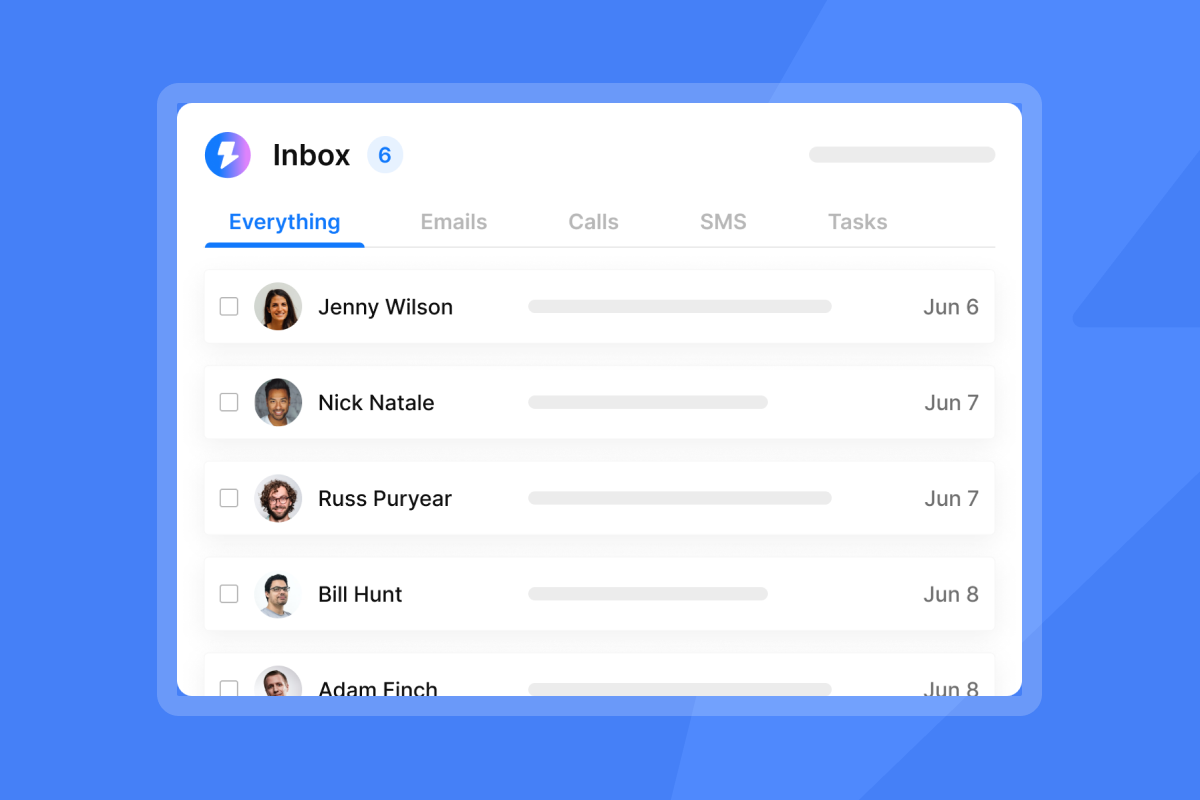
Instantly automates much of this process. To add an unsubscribe link to your sequences, click the "+" button in the editing section and select "Insert Unsubscribe Link." The platform also supports List-Unsubscribe headers, which let Gmail and Outlook users unsubscribe with one click directly from the inbox.
When a prospect replies with "Stop," "Remove me," or "Not interested," enable the "Stop sending emails on reply" setting to automatically pause follow-ups. This prevents the nightmare scenario where a rep accidentally follows up on an opt-out request.
"the built-in AI enrichment feature... is amazing for lead enrichment. The unibox is really clean and organizes my replies all in one place in such a user-friendly manner." - Harvey S. on G2
For DSARs, reply within 30 days with the contact data you hold (name, title, company, email, phone), where you sourced it (for example, LinkedIn, Instantly SuperSearch), your legal basis (Legitimate Interest for B2B outreach), and instructions for deletion. If they ask to be deleted, remove them from all lists and suppress the address so they never re-enter your system. Tag the record with the deletion date and reason in your CRM for audit trails.
Instantly's unified inbox and lead management tools help you track these requests without juggling spreadsheets. For more on follow-up email compliance and privacy, Instantly's guide covers GDPR and CAN-SPAM best practices.
The risks of purchased lists and bad data
Buying cheap email lists is the fastest way to destroy your sender reputation. Purchased lists contain spam traps, invalid addresses, and contacts who never consented to hear from anyone. When you send to these lists, your bounce rate spikes and ISPs flag you as a spammer.
Spam traps are email addresses created or recycled by ISPs and anti-spam organizations to catch senders with poor list hygiene. Pristine spam traps were never real addresses. Recycled spam traps were once active but have been dormant for years. Hit a spam trap and you tell the ISP that you scraped emails, bought a list, or never cleaned your data. The result is blacklisting and inbox placement collapse.
The solution is verification before sending. Instantly includes built-in email verification that flags risky and invalid addresses during import.
"I really value how Instantly helps me find leads effectively by allowing me to search based on specific titles, locations, and industries... The process of warming up emails before sending them out is extremely beneficial, as it increases deliverability and keeps my reputation intact." - adnan k. on G2
Verify every list before launch. Remove hard bounces immediately. Re-verify lists older than 90 days. Keep your bounce rate at or below 1 percent. If bounces climb, pause your campaign, scrub your list, and restart at a lower send volume. Instantly's email warmup feature helps new domains build trust slowly rather than blasting cold and hitting spam.
Use first-party data wherever possible. Build lists from LinkedIn, your CRM, or Instantly SuperSearch with verified contacts. Avoid third-party brokers who cannot prove consent or data freshness.
Checklist: Is your email sequence compliant?
Use this checklist before launching any cold email campaign. Run it weekly during campaign setup and monthly for active campaigns:
- Physical address included: CAN-SPAM requires your valid postal address in every email.
- Unsubscribe link working: Test the link. Ensure it processes requests within 10 business days.
- Subject line honest: Does the subject accurately reflect the email content?
- From name accurate: Is your "From" field truthful and not spoofed?
- SPF record published: Verify your SPF record lists your sending IPs.
- DKIM signature active: Confirm DKIM signing is enabled for your domain.
- DMARC policy set: Publish a DMARC record with at least a "none" policy to start monitoring.
- List verified: Run verification on every contact before import.
- Legitimate Interest documented: Write down your three-part assessment for GDPR (document this in your compliance brief).
- Reply monitoring enabled: Use Instantly's unified inbox to catch manual opt-outs.
- Data retention plan: Know how long you keep contact data and when to delete it (document this in your compliance brief).
- DSAR process ready: Document how you will respond to access and deletion requests within 30 days (create a response template now).
Instantly's campaign options let you toggle unsubscribe links, risky email sending, and auto-stop on reply, which cover most items on this list.
For additional best practices, watch Instantly's 10-year cold email advice video or review their 600 cold email templates that include compliance elements.
Distribute sending load to isolate compliance risk
Per-seat pricing models create compliance risks. When your platform charges per user or caps sending accounts, you concentrate volume on fewer inboxes. High volume from a single account looks suspicious to ISPs and increases the damage if one account gets flagged.
Instantly offers unlimited sending accounts on all plans, starting at $30 per month on annual billing for the Growth plan. Unlimited accounts let you distribute sending load across dozens of inboxes, keeping daily volume per account low (we recommend capping at 30 emails per inbox per day).
Load balancing also isolates risk. If one account hits a spam trap or receives a complaint spike, your other accounts remain healthy. You pause the flagged account, diagnose the issue, and continue sending from clean inboxes. This resilience is impossible when you send thousands of emails per day from a single account under a per-seat model.
Instantly's warmup network includes over 4.2 million accounts that exchange emails to build sender reputation before you launch campaigns.
"Must Have Tool for Scaling Cold Outreach... We're able to scale our outreach without sacrificing personalization or risking our sender reputation." - Natalie on Trustpilot
For teams scaling across clients or business units, unlimited accounts and flat pricing remove the compounding software costs that force shortcuts. You can run clean, compliant campaigns at volume without per-seat penalties.
Automating compliance at scale
Manual compliance is slow and error-prone. Reps forget to check unsubscribe lists. Opt-out requests get buried in inboxes. List verification happens once and never again. Instantly automates these tasks so compliance runs in the background.
Email verification: Instantly flags invalid and risky emails during import. The platform lets you choose whether to send to risky addresses or skip them entirely, keeping your bounce rate low.
Unsubscribe handling: Insert unsubscribe links with one click. Enable List-Unsubscribe headers for one-click opt-outs in Gmail and Outlook. Set campaigns to stop on reply, which catches manual "Remove me" requests.
Unified inbox: All replies land in one central inbox where you can spot opt-outs, objections, and interested replies without switching between accounts.
"Instantly makes it genuinely easy to run outbound at scale without feeling overwhelmed by complexity. The inbox rotation, sending controls, and campaign setup are all intuitive, which means you can go from idea to live campaign quickly." - Curtis S. on G2
Warmup and health monitoring: Instantly warms new accounts gradually and monitors domain health.
Done-for-you setup: Non-technical teams can purchase pre-configured domains with SPF, DKIM, and DMARC already in place.
"the people at instantly the do a full done-for-you email box setup so u dont have to worry about SPF, DKIM, DMARC all that jazz. And they ensure subdomain tracking and deliverbility." - Harris on Trustpilot
These features work together to remove compliance friction. Your team focuses on copy, targeting, and conversations while the platform handles hygiene, opt-outs, and authentication. For a full walkthrough, watch how to set up your first campaign in Instantly or review the cold email setup guide.
Ready to apply this compliance playbook? Try Instantly free and use the built-in verification, unsubscribe tools, and warmup features to scale your outreach safely.
Frequently asked questions about email compliance
Can I cold email people in Europe under GDPR?
Yes, if you use Legitimate Interest as your legal basis, target B2B contacts, and offer an easy opt-out. The ICO confirms that direct marketing may qualify as Legitimate Interest if you pass the three-part test.
Do I need double opt-in for cold outreach?
No. Double opt-in is for consent-based marketing like newsletters. Cold email under Legitimate Interest requires an easy opt-out, not prior consent.
What is the penalty for CAN-SPAM violations?
Up to $53,088 per email, enforced by the FTC.
What is the penalty for GDPR violations?
Up to €20 million or 4% of global annual revenue, whichever is higher.
How fast must I process opt-out requests?
Within 10 business days under CAN-SPAM. For GDPR, honor opt-outs immediately to maintain trust. Respond to formal DSARs within 30 days.
What happens if I hit a spam trap?
Your sender reputation drops immediately, ISPs may blacklist your domain, and deliverability collapses. Verify all emails before sending to avoid traps.
Can I buy email lists and stay compliant?
Technically yes under CAN-SPAM if you include opt-out links, but purchased lists contain spam traps and invalid addresses that destroy deliverability. Build first-party lists instead.
Key terminology
Legitimate Interest: A GDPR legal basis allowing B2B data processing for direct marketing without explicit consent, provided you pass a three-part assessment and honor opt-outs.
Spam trap: An email address used by ISPs to identify senders with poor list hygiene. Hitting a trap damages sender reputation and leads to blacklisting.
DMARC: Domain-based Message Authentication, Reporting, and Conformance. A DNS record that tells receiving servers how to handle emails that fail SPF or DKIM checks. Set policy to 'quarantine' or 'reject' to protect your domain from spoofing.
Data Subject Access Request (DSAR): A formal request under GDPR for an individual to access, correct, or delete their personal data. You must respond within 30 days.
List-Unsubscribe header: An email header that enables one-click unsubscribe functionality in Gmail, Outlook, and other providers, improving user experience and compliance.


