


The biggest levers of cold email come down to relevance and intent. It’s a targeted first-touch message sent to someone you haven’t contacted before, designed to start a genuine conversation.
Successful cold emails rely on strong list quality, clear value propositions, respectful follow-ups, and healthy sending practices. When paired with proper setup, segmentation, and automation, it becomes a scalable channel for sales, PR, hiring, partnerships, research, and much more.
Teams across sales, PR, recruiting, and partnerships rely on cold emails to start conversations, book meetings, and create opportunities that wouldn’t exist otherwise. Yet despite its widespread use, the meaning of cold email is still misunderstood, often confused with spam or outdated spray-and-pray tactics.
Cold email isn’t about blasting inboxes or tricking people into replies. Done well, it’s a targeted, respectful way to reach the right people with a clear reason for contacting them. It combines relevance, timing, and restraint, not volume for volume’s sake. To understand what separates high-performing cold email outreach from noise, you need to understand the fundamentals of targeting, deliverability, and follow-up sequencing, not just the copy.
Below, we break down the true cold email meaning, how it differs from spam and warm outreach, when it makes sense to use it, and what drives replies at scale. We’ll also cover the systems, metrics, and habits that turn cold email into a sustainable growth channel rather than a short-lived tactic. Instantly, the cold email platform rated 4.8/5 on G2, sits at the center of that stack as your sending engine, campaign builder, and lead database in one place.
The True Meaning of Cold Email
A cold email is an unsolicited, one-to-one message sent to someone you haven’t previously interacted with. There’s usually no opt-in, no existing thread, and no relationship to lean on.
Because of that, relevance isn’t optional. You should only reach out when there’s a clear, defensible reason the message makes sense for the person receiving it. In practice, cold email usually looks like this:
- Who sends it: founders, SDRs, marketers, recruiters, creators, agencies
- Who receives it: prospects, partners, journalists, candidates, site owners, or decision-makers
- Why it’s sent: to start a conversation that can lead to meetings, partnerships, coverage, links, hires, or collaborations
Cold email works because it’s predictable and repeatable when done correctly. You can automate sending, personalize at scale, and run controlled experiments around targeting, messaging, and timing. But scale doesn’t mean “send as much as possible.”
Volume matters, but it’s only one part of the equation. Meaningful results come from sending enough emails to generate a signal while maintaining relevance, restraint, and inbox health.
When volume outpaces targeting, personalization, or deliverability hygiene, cold email quickly crosses from thoughtful outreach into noise. The real skill in cold email is building a system that consistently puts the right message in front of the right people, in a way that earns attention rather than forces it.
Cold Email vs Spam vs Warm Email vs Cold Calling
Once you understand the basic meaning of a cold email, the next step is to draw clear lines around what it isn’t. This is where much of the confusion begins.
People lump cold email, spam, newsletters, and even cold calling into one big bucket and then decide the whole thing is “bad.” Each one plays a different role, and understanding these differences helps you use cold email more effectively.
Cold Email Vs Spam
Cold email is targeted, relevant, and honest. You’re reaching out to people for a reason (their role, company, tech stack, content they posted), and you’re trying to start a conversation. The content of the email is also personalized and tailored for each lead.
Spam is random, untargeted, or has deceptive messages sent in bulk with no genuine respect for relevance, consent, or inbox health. The sender doesn’t care if the recipient is a fit. Here are the key differences between the two:
Cold Email vs Spam
| Dimension | Cold Email | Spam |
|---|---|---|
| Intent | "This might genuinely help you. If not, no worries." | "I just want clicks, signups, or attention from anyone." |
| Targeting | Researched prospects with a clearly defined ICP (ideal customer profile). | Scraped lists, bought databases, or "everyone with an email." |
| Tone & transparency | Clear about who you are, why you're reaching out, and what you're offering. | Vague, misleading, or disguised as something else. |
| Respect for the recipient | Limited sends, reasonable follow-ups, and an easy way to opt out. | Relentless, repetitive, and difficult to stop. |
Cold email vs warm email
A warm email is what happens when there’s already some kind of relationship or context. The recipient might:
- Be on your email list
- Be a current or past customer
- Have filled out a form or requested info
- Have previously replied to you or interacted with your brand
With a warm email, recipients expect to hear from you. The barrier is lower, and the tone can be more familiar. Cold email, on the other hand, is the first contact. There’s no prior relationship. For that reason, expectations are different:
- You have to establish context quickly.
- You can’t assume they know who you are.
- You need a very clear “why me, why now” in just a few lines.
There are also instances where you reach out to a “semi-warm” lead for the first time if you use a website visitor identification tool. In this case, you’d be sending a “cold email” to a lead who frequently visits your site but has not filled out a form or contacted your team.
Cold email vs cold calling
Cold calling and cold emailing are cousins. You’re still reaching out to people who don’t know you yet, but the experience on both sides is completely different.
Cold Email vs Cold Calling
| Aspect | Cold Email | Cold Calling |
|---|---|---|
| Timing | The recipient can read and respond when it suits them. | Real-time and interruptive. You're asking for attention immediately. |
| Consumption | The message can be scanned in seconds. | Not skimmable. The full interaction happens live. |
| Pressure level | Lower pressure. The recipient has full control and can ignore it if it's not relevant. | Higher pressure. The recipient must react in the moment. |
| Scalability | Easier to scale with tools and automation, as long as targeting and compliance are solid. | Harder to scale without large teams and strict call processes. |
| Best use case | Opening conversations and creating context at scale. | Fast feedback, qualification, and deeper conversations once interest exists. |
Most modern teams don’t pick one forever. They combine both to create a holistic sales cadence. Cold email to open doors and create context, calls to deepen conversations with prospects who show interest.
When Should You Use Cold Email? 6 Common Use Cases
There are many situations where cold email is the best course of action, especially if you want to build connections and networks at scale. It’s a flexible channel you can plug into almost any part of your growth strategy as long as you’re intentional about who you contact and why.
B2B Sales and Demo Booking
For most teams, cold email is the engine that feeds the sales pipeline. Instead of waiting for inbound leads, founders and SDRs hand-pick accounts that appear to be a strong fit, then use cold email to get in front of decision-makers at the right moment.
Partnerships and Collaborations
Cold email is one of the easiest ways to open doors with brands and creators you’d never meet otherwise. Think co-marketing campaigns, webinar swaps, newsletter shoutouts, affiliate deals, or joint offers.
PR, Podcasts, and Media Outreach
Journalists, newsletter writers, and podcast hosts live in their inboxes. Cold email is how you pitch story ideas, guest appearances, and expert commentary.
You aim to offer a clear story, angle, or insight they can plug directly into their coverage.
Hiring and Recruiting
Recruiters and hiring managers use cold emails to reach passive candidates who aren’t actively job hunting but could be a strong fit for the role. The goal is to initiate a low-pressure conversation, rather than demanding an immediate application.
Link Building and SEO
For SEOs and content teams, cold email is the backbone of link building. You reach out to site owners, editors, and bloggers to pitch guest posts, suggest your content as a resource, or collaborate on content.
Customer Development and Research
Founders and product teams use cold email to communicate with users, test ideas, and gather feedback. You might reach out to a specific niche (e.g., “Heads of Marketing at B2B SaaS companies”) to validate a problem or invite them to a quick interview or beta test.
10 Things Everyone Should Know About Cold Emails
Cold email has a handful of principles that determine whether your campaigns come across as helpful or annoying, and whether your inbox fills up with replies or spam complaints. These 10 ideas outline how cold email works in day-to-day campaigns and provide a checklist to follow:
The Cold Email Stack: Tools Needed to Support Campaigns
You don’t need a bloated tech stack to run cold email, but you do need a few pieces that work well together. Instantly sits at the center of that stack as your sending engine, campaign builder, and lead database in one place.
G2 Rating: 4.8/5 ⭐ from 3,926 reviews
At a minimum, your stack should look like this:
- Cold email campaign engine: Handle inbox rotation, warmup, sequences, personalization, tracking, and reporting from a single dashboard.
- Lead finder or database for contact data: Find and enrich verified contacts that match your ICP, so you’re not blasting random scraped lists.
- CRM or pipeline tracker: Track opportunities and handoffs as replies evolve into real conversations.
- Calendar + meeting links: Make it easy for interested leads to book calls without back-and-forth.
Before Starting Cold Emails: Authenticate, Warmup, Start Slow
Most cold email problems start before you send your first campaign. If you skip setup and rush volume, providers learn to treat you like spam. Fixing this later is much more complicated than starting from scratch on day one.
Begin by authenticating every sending domain with SPF, DKIM, and DMARC. On Instantly, you can connect domains and confirm records are valid before campaigns go live. Then warm up new inboxes gradually without any additional costs.
Even with authentication and warmup, you should still start slow with sending volume. Set conservative daily limits per inbox in Instantly and send to small, high-quality segments first. Increase volume only when open, reply, and spam signals indicate your setup is healthy.
For the complete infrastructure checklist on SPF/DKIM/DMARC configuration, warmup ramp schedules, and inbox placement monitoring, see this email deliverability guide before launching your first campaign.
Short Emails Perform Better
Most people read cold emails on their phone, between tasks, with limited attention. That’s why short emails usually win.
A concise message that fits on one screen, explaining why you’re reaching out and offering a straightforward next step, is easier to process and respond to. Long explanations, multiple links, and stacked CTAs give people more reasons to close the tab.
List Quality Makes You Less Reliant on Email Copy
List quality decides most of your results before anyone reads a single sentence. A perfectly written email to the wrong person still fails. A decent email to the right person often works anyway.
A strong list is tightly aligned to your ICP and buyer personas. Contacts are verified, enriched, and share similar pains or triggers. That alignment makes simple, straightforward copy feel relevant without clever tricks.
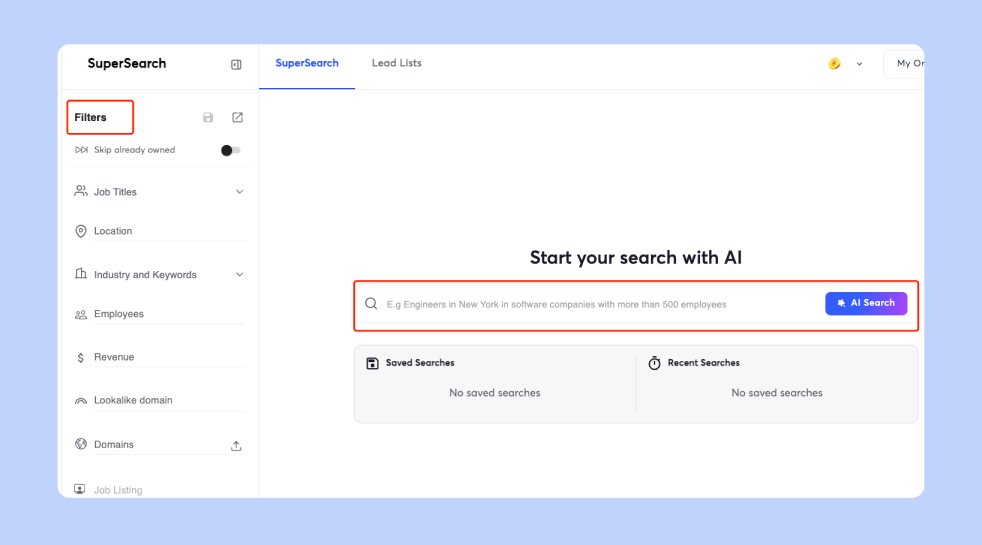
Instantly SuperSearch helps you build those lists on purpose, not by accident. You can filter by role, industry, size, and more, then automatically verify leads.
With high-quality inputs, your campaigns rely less on copy gymnastics and more on genuine fit.
Your Intro Matters More Than You Think
The first few lines determine whether someone will keep reading or close the email. A strong intro shows you know who they are and why this message makes sense for them. That might be a quick reference to their role, a challenge they face, or a specific trigger (such as a post, a hire, a product launch, tech stack, etc.).
How You Frame Your Offer Decides Interest and Intent
Cold email lives and dies on the offer you’re putting in front of busy people. “Can we chat?” is vague; “Can I send a 3-line teardown of your current signup flow?” is concrete.
Framing your offer around outcomes they care about and keeping the ask small (such as a quick reply, a quick call, or permission to send ideas) makes it easier for them to say yes.
Follow-Ups Are Part of the Cold Email Process
Many “yes” replies come from the second, third, or fourth touch. People often miss emails, get busy, or need a friendly reminder at a more convenient time.
A good follow-up sequence stays polite, spaced out, and adds small bits of context or value instead of repeating the same line. You stop when they reply, ask to opt out, or clearly indicate that they aren’t interested.
Cold Email Metrics You Need to Track
Cold emails can feel random until you start tracking relevant email metrics. Open rates give a signal about deliverability and subject lines. Reply rates show whether your message and targeting resonate.
A positive reply rate and meetings booked indicate whether you’re attracting the right kind of interest. Bounce rates and spam complaints warn you when something is off with your list or sending pattern. For a complete framework on step-level analytics, reply latency, and attribution that turns these metrics into actionable optimization decisions, see this email metrics tracking guide.
AI Email and Automation Scales What Works (And What Doesn’t)
AI and automation streamline the process of researching leads, generating first drafts, personalizing openers, and managing large-scale campaigns. The catch is that they magnify whatever you feed them.
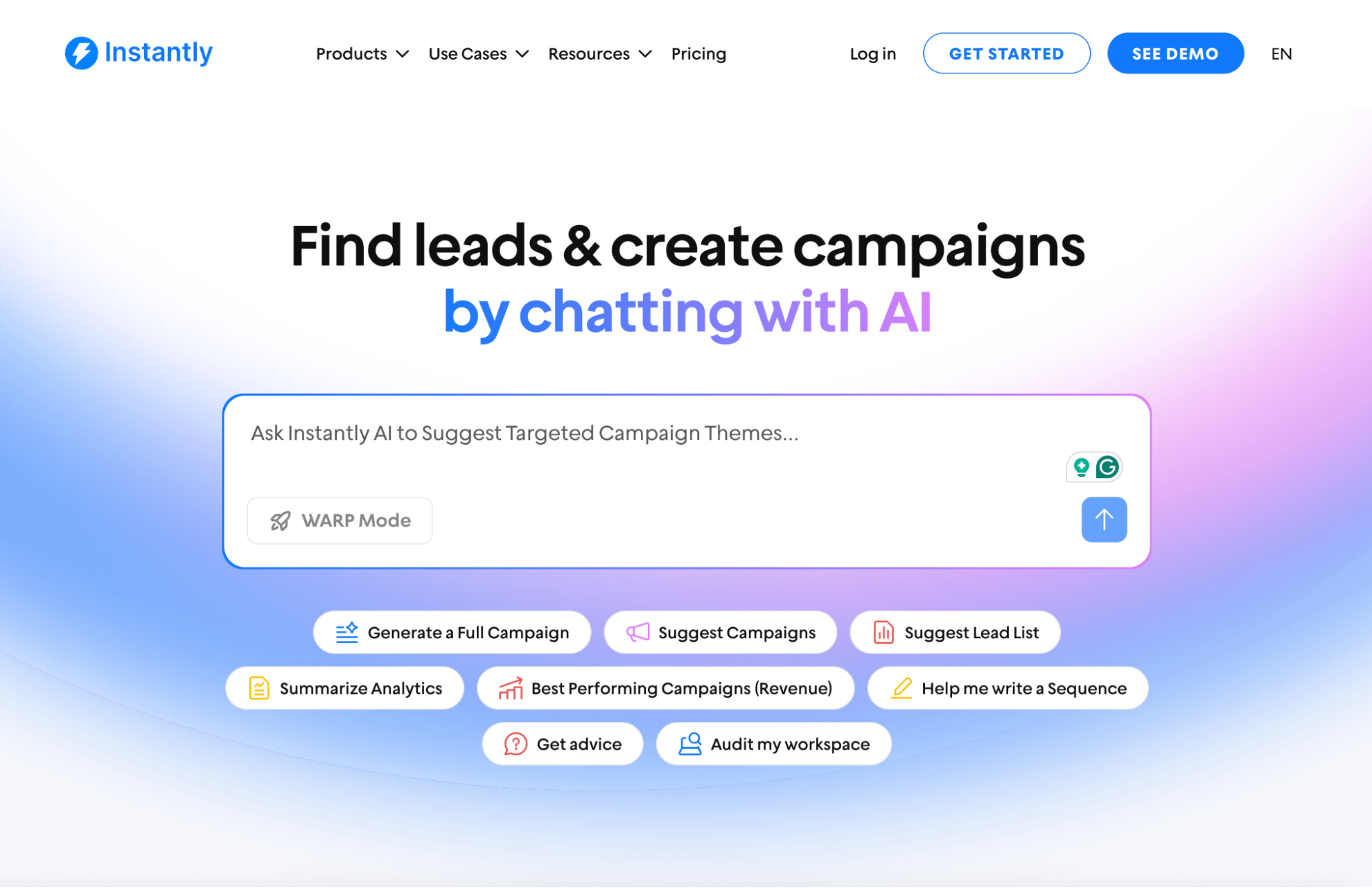
Good targeting and thoughtful prompts produce scalable, relevant outreach. Sloppy lists and lazy prompts lead to scaled irrelevance and increased spam complaints. The more automation you use, the more critical it becomes to set guardrails and review what’s being sent.
Personalization Isn’t Complicated
Personalization doesn’t require a novel for each prospect. A few sharp details go a long way: their role, the tools they use, a recent announcement, or a common problem in their space.
One or two specific lines at the start of the email can carry most of the personalization work, while the rest of the message follows a proven structure. The goal is to show that this email couldn’t have gone to just anyone.
The Basic Anatomy of an Effective Cold Email
Cold email templates get you started. However, if you want to learn the fundamentals, it takes you further. When you break it down, most high-performing campaigns follow the same basic layout.
The wording changes, the offer changes, but the building blocks stay consistent. Here’s the simple anatomy to keep in mind:
- Subject line: Your subject line's only job is to earn a quick, low-friction open. It should be concise, specific, and directly relevant to the recipient’s world. Think “Question about {{tool}} at {{company}}” instead of hype or clickbait.
- Opening line/intro: This is the first thing they see after opening. A strong intro shows you know who they are and why this email makes sense. One or two sentences is enough: their role, a recent move, a shared context, or a problem they deal with often.
- Relevance hook: Now you connect the dots. This is where you explain, in plain language, why you’re in their inbox. “I’m reaching out because we work with B2B SaaS teams that struggle with X,” or “I noticed you’re hiring for Y and wanted to share Z.”
- Credibility/proof (optional but powerful): A short line of proof lends weight to your message, such as who you’ve helped, a specific result, a logo, or a quick datapoint. Keep it tight. One sentence is usually enough.
- Offer/value: This is the “what’s in it for them.” It should be concrete and tied to an outcome they care about, such as generating more leads, streamlining onboarding, improving retention, or accelerating hiring.
- Call to action (CTA): Add a single CTA. Reply with a yes/no, a quick time slot, or permission to send more details. One CTA per email keeps the decision easy.
For a deeper breakdown of the structural patterns behind subject lines that get replies across different industries and ICP types, see the full cold email subject line research guide.
Key Takeaways
Cold email has often been misrepresented as a spammy practice. However, many businesses, from small agencies to large enterprises, have already found success with scalable and automated cold email outreach.
That’s because once you understand the true meaning of cold email, you can easily create holistic campaigns that provide enough value to merit a reply from prospects. And if you want to do cold email at scale, there’s no better partner than Instantly. Start your free Instantly trial.


