.svg)
%20(1).svg)


Updated May 11, 2026
TL;DR: B2B cold email is legal when you follow jurisdiction-specific rules. CAN-SPAM (US) requires opt-outs and honest sender identification. GDPR (EU) requires consent or documented legitimate interest. CASL (Canada) requires consent before the first send. Financial stakes: CAN-SPAM violations cost up to $53,088 per email as of January 2025, GDPR fines reach €20 million or 4% of global revenue, and CASL penalties hit $10 million per violation. Compliance also protects deliverability because bounce rates above 2% and spam complaints above 0.3% trigger blocks from Gmail and Yahoo.
Cold email is legal. Buying B2B email lists is legal. What destroys domains, pipelines, and businesses is running outreach on unverified, non-compliant lists without controls to enforce opt-outs, authenticate senders, and document your legal basis for each contact. This guide gives you a systems-level view of what CAN-SPAM, GDPR, and CASL actually require for B2B outreach, where exemptions apply and where they break down, and how to build a compliance system your entire SDR team follows at scale.
Why B2B email compliance matters for sales teams
The FTC confirms that CAN-SPAM defines "commercial email" as any message whose primary purpose is commercial advertisement or promotion, and the law makes no B2B exception. Every SDR sequence and every follow-up your team sends falls under these rules. Compliance is not a legal formality you add at the end of your campaign checklist. It is the foundation that keeps your domains healthy and your pipeline predictable.
Avoid GDPR & CAN-SPAM penalties
The financial exposure is specific and material. Under CAN-SPAM, each non-compliant email carries a penalty up to $53,088 per email, effective January 17, 2025. Both the sender and the company being promoted can face separate fines on the same campaign. GDPR fines reach €20 million or 4% of global revenue, whichever is greater, with lower-tier procedural violations reaching €10 million or 2% of global revenue. CASL sets a maximum of $10 million per violation for corporations, $1 million for individuals.
Maintain email deliverability
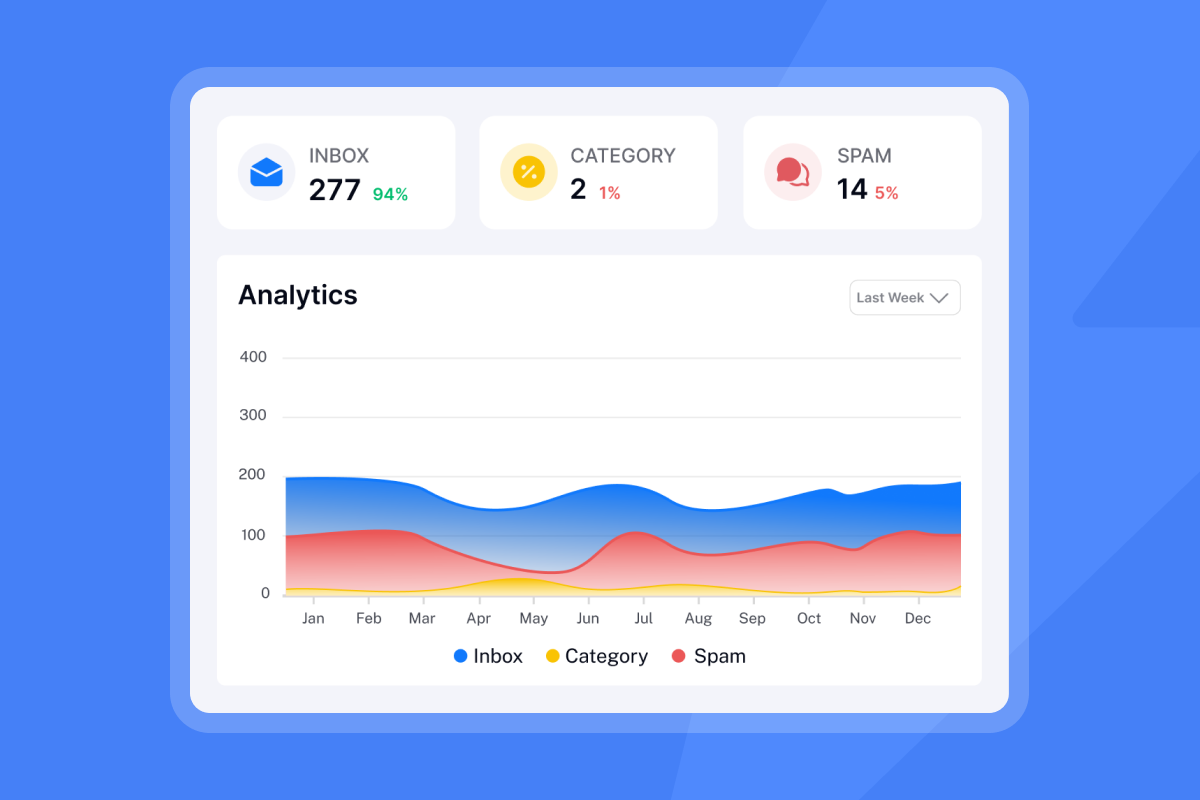
Compliance failures hit you twice: first in fines, then in the inbox. Inbox providers update your domain reputation continuously based on bounce rates, spam complaints, and recipient engagement. A bounce rate above 2% damages sender reputation, and complaint rates above 0.3% trigger spam filtering or outright blocks from Gmail and Yahoo. A list built from unverified, stale, or non-compliantly sourced contacts produces exactly these outcomes. Our deliverability guide for sequences covers the full system for teams sending at scale, including warmup, health monitoring, and suppression management.
B2B email compliance pitfalls to avoid
The most common compliance failures in B2B outreach are predictable and preventable:
- Hidden opt-out links: Burying the unsubscribe mechanism in small print or omitting it from follow-up steps violates CAN-SPAM.
- Deceptive subject lines: A subject that misleads recipients about the content of the message is illegal under FTC rules.
- Ignoring global block lists: Sending to contacts who previously opted out, even across different campaigns or reps, exposes you to complaints and legal risk.
- Inaccurate sender information: CAN-SPAM requires that your "From" field accurately identifies the person or business behind the message. Sending from an address that misrepresents the true commercial sender violates this requirement.
- No data source documentation: Under GDPR Article 14, you must disclose the source of contact data obtained from a third party either within one month of obtaining it, or at the time of first communication if you plan to contact the individual directly. Document your data source before outreach begins.
B2B exemption: what's permitted for outreach
Most frameworks treat B2B outreach more permissively than B2C, but "B2B" is not a blanket license. The core distinction is whether you contact someone in their professional capacity through a business email address with a relevant commercial message.
CAN-SPAM's business relationship rule
CAN-SPAM covers all commercial email regardless of whether the recipient is a business or a consumer. The law creates no formal B2B exemption. What it allows is sending any commercial email to any address, provided you follow all identification and opt-out rules. Under US law, you can contact a prospect with no prior relationship, as long as your "From" and "Reply-To" fields are accurate, your subject line is honest, you include a physical postal address, and you honor opt-outs within 10 business days.
GDPR: legitimate interest vs. consent
Under GDPR, you need a legal basis before you send a single email. The two most relevant bases for B2B cold outreach are consent and legitimate interest. Usercentrics explains that when you contact someone in their professional capacity through a business email address, there is a stronger expectation of commercial communication, making the threshold lower in B2B than in B2C. Most B2B sales teams rely on legitimate interest for initial cold prospecting, provided they complete a documented three-part assessment before each campaign type launches.
When B2B rules won't protect you
Three scenarios reduce or remove B2B protections across all three frameworks:
- Personal email addresses: Emailing a contact at a personal address makes the GDPR legitimate interest balancing test far harder to satisfy, because there is a weaker expectation of commercial communication outside a professional inbox.
- Sole traders and self-employed individuals: In the EU, sole traders' contact data constitutes personal data under GDPR. Regulators apply the full GDPR framework, which means stricter scrutiny of your legitimate interest assessment than applies to large corporate contacts.
- Unpublished contact information: If an individual did not make their email publicly available for professional contact, using it for cold outreach is difficult to justify under the legitimate interest balancing test. The Canadian Radio-television and Telecommunications Commission (CRTC) takes the same position: an address must be published publicly by the individual to qualify for CASL implied consent.
Mastering CAN-SPAM for compliant outreach
CAN-SPAM is the most permissive of the three frameworks, but it still catches teams that treat send volume as the only metric. The specific technical requirements are where violations happen.
Legal sender ID & header rules
You must ensure your "From," "To," "Reply-To," and routing information accurately identify the person or business that initiated the message. Your SDRs cannot send from misleading domains, use fictional company names in the From field, or route emails through systems that obscure the true sender. Every inbox connected to your outreach platform must reflect a real, traceable business identity, whether you run one inbox or 500.
Subject line compliance & ad disclosure
The FTC's definition of deceptive subject lines covers any subject that misleads recipients about message content. Fake "Re:" prefixes implying an ongoing conversation, subject lines unrelated to the email body, and false familiarity are all violations. In B2B contexts where the pitch is transparent and the sender identity is clear, honest subject lines satisfy the disclosure requirement. Our cold email subject line checklist walks through the pre-send QA process to catch compliance issues before launch.
Clear opt-out for B2B emails
The opt-out rules under CAN-SPAM are specific and non-negotiable:
- Include a clear, conspicuous explanation of how recipients can opt out in every email.
- Provide a return email address or an easy internet-based opt-out mechanism.
- Process opt-outs within 10 business days of receipt.
- Keep the opt-out mechanism functional for at least 30 days after sending.
- Do not require recipients to pay a fee, provide personal information beyond an email address, or take more than one step to opt out.
Processing opt-outs manually across multiple SDR inboxes is error-prone and a direct compliance risk at scale. Instantly.ai offers automated unsubscribe functionality. Once an opt-out is processed, it is added to our global blocklist, which helps prevent any rep from re-contacting that person regardless of which inbox or sequence they use.
Adding your business street address
Include a valid physical postal address in every commercial email. Omitting it is a direct CAN-SPAM violation, regardless of campaign size or how clearly the rest of the email identifies the sender.
The FTC specifies three address types that satisfy the requirement:
- A current street address registered to your business
- A PO box registered with USPS
- A private mailbox registered with a commercial mail receiving agency
The requirement exists so recipients have a verifiable, non-digital way to confirm who is contacting them and where that business operates.
For distributed and multi-entity teams, apply these rules:
- Remote or fully distributed teams: use your registered business address.
- Incorporated companies: the state of incorporation address on file is sufficient.
- Multiple entities or agency senders: each sending entity needs its own valid address in the footer of that entity's emails. Do not reuse one address across campaigns that represent different businesses.
In practice, the address belongs in your email template footer, alongside your opt-out link and sender identification. Pre-approving templates as described in the compliance protocols section means this field is checked before any rep sends a sequence, not discovered missing after a complaint arrives.

Consent vs. legitimate interest under GDPR
GDPR gives organizations multiple legal bases for processing personal data, but for B2B cold outreach, consent and legitimate interest matter most. Applying legitimate interest without proper documentation is one of the most common GDPR mistakes in outbound sales operations.
GDPR consent requires a proactive opt-in action. Pre-ticked boxes, implied agreement, and vague permission statements do not meet the standard. Obtaining true consent before the first cold email means a prospect has actively indicated they want to hear from your company specifically, which is operationally impractical for prospecting at scale. Most B2B sales teams therefore rely on legitimate interest for initial cold outreach and reserve explicit consent for newsletters and retargeting.
Applying the legitimate interest test
The three-part legitimate interest assessment (LIA) requires you to work through each step before a campaign launches:
- Purpose test: Do you pursue a genuine legitimate interest? Commercial sales outreach qualifies when clear business relevance exists between your offer and the recipient's professional role.
- Necessity test: Is cold email necessary to pursue that interest? For prospecting, yes, when no less intrusive method achieves the same outcome.
- Balancing test: Does your interest override the individual's rights and freedoms? For a marketing director receiving a relevant software pitch at their business email, it typically does, provided you offer an easy opt-out in every message.
Document each assessment by campaign type, keep it on file, and repeat it when you target new personas or geographies. Our GDPR and email tracking guide covers the full legal framework for tracking and processing contact data throughout outreach.
Auditable records for GDPR outreach
GDPR requires records that demonstrate compliance at any point. Sales teams need specific documentation for each campaign:
- Source of contact data (LinkedIn, public directory, verified database)
- Date the data was collected or purchased
- Legal basis applied (e.g., Legitimate Interest)
- Completed LIA for each campaign type
- Link to the privacy policy in place at collection time
Handling data erasure requests
Under GDPR Article 17, individuals can request deletion of their personal data. The process: acknowledge receipt promptly, verify the requester's identity, delete their data from all systems (CRM, outreach platform, spreadsheets, enrichment tools), and confirm deletion within one month. Centralizing reply handling in Instantly Unibox gives your team one location to identify, track, and action these requests across all connected inboxes, reducing the risk that a deletion request is handled in one tool but missed in another.
Complying with CASL and global email laws
Canada's Anti-Spam Legislation is the strictest of the three frameworks and catches many US-based sales teams off guard when they expand into the Canadian market.
CASL's consent requirements
CASL requires express or narrowly-defined implied consent before you send the first commercial electronic message (CEM) to a Canadian recipient. The CRTC defines a CEM as any message that encourages participation in a commercial activity. Express consent means a proactive opt-in through a clear written or oral mechanism. Implied consent applies in two scenarios: an existing business relationship based on a prior commercial transaction (valid for two years from the last transaction), or the individual publishing their email publicly without restrictions. Once implied consent expires, you must obtain express consent to continue sending. Maximum penalties: $10 million for corporations, $1 million for individuals, per violation.
California: CPRA and B2B contacts
California's CPRA ended the B2B data exemption on January 1, 2023. California B2B contacts now hold the same rights to opt out, access, and correct their data as consumers. If your outreach list includes contacts at California-based companies, treat them the same way you would treat consumer records: honor opt-out requests, respond to data access requests, and document your legal basis for processing their information.
How to audit your list sources for direct compliance liability
You carry primary compliance liability for every contact on your list, regardless of where you sourced it. Buying a list from a non-compliant provider does not eliminate your direct liability, even though you may have indemnification rights to recover costs after the fact.
Compliance risks: bought B2B lists
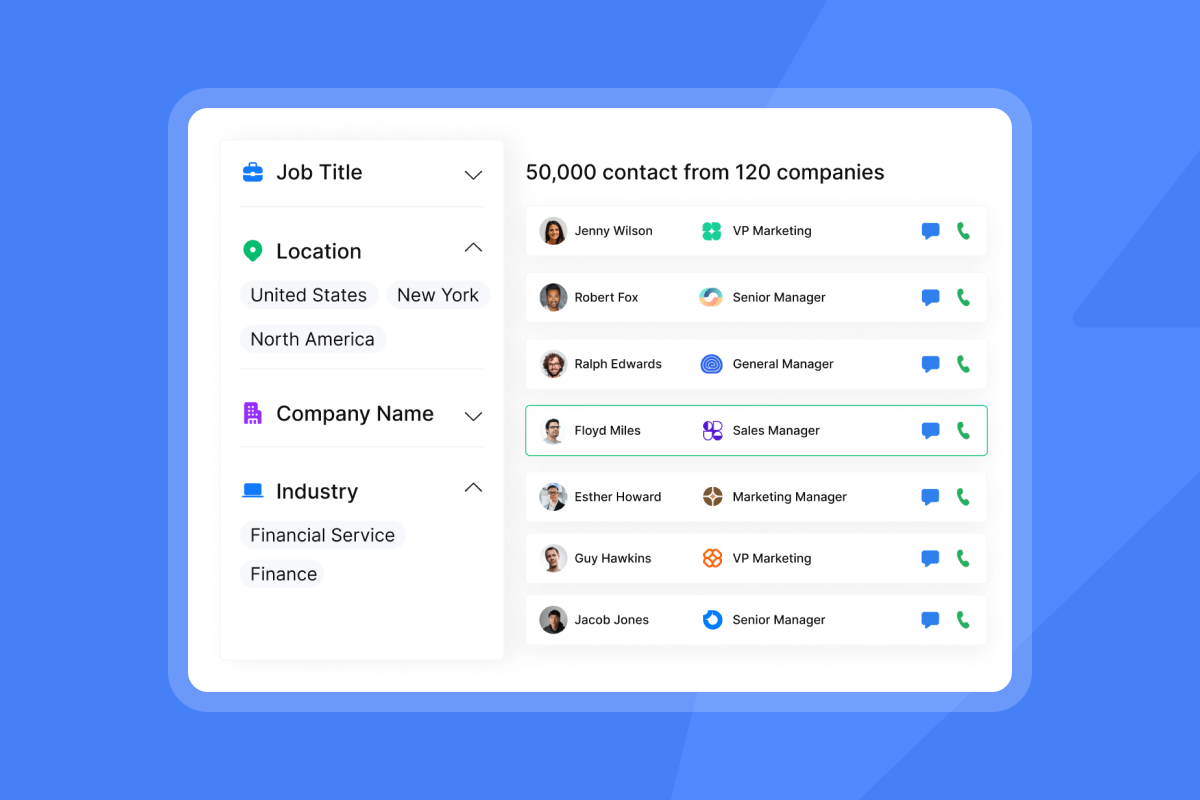
Not all purchased lists carry the same risk. Scraped lists assembled without consent verification, stale employment data, and no suppression of previously opted-out contacts are a direct liability. Before purchasing any B2B list, complete these due diligence steps:
- Confirm the provider documents how each contact's data was sourced and under what legal basis.
- Verify that EU contacts were collected under a valid GDPR legal basis, with an LIA on file.
- Check data freshness. Stale records produce high bounces that damage your domain before a single reply arrives.
- Confirm the provider runs email verification against live mail servers, not just static contact aggregation.
Our SuperSearch database contains 450 million-plus verified B2B leads with waterfall enrichment across a minimum of five data providers. That verification step is what separates a compliant, deliverable list from one that erodes your sender reputation over the first week of a campaign. For a practical view of how infrastructure affects inbox placement at high volume, watch this 100k cold emails walkthrough to see the verification requirements behind compliant outreach at scale.
Audit your list provider's compliance
Use this checklist before purchasing from any B2B data vendor:
- Can they provide a signed Data Processing Agreement?
- Do they document the source of each contact record?
- For EU contacts, can they demonstrate a valid legal basis for collection of each contact record?
- Confirm the provider verifies email addresses against live mail servers, not just stored contact records.
- What is their process when a contact opts out or requests erasure?
- Do they maintain a public sub-processor list?
Auditing opt-out & suppression process
Your suppression list is as operationally important as your send list. Every opt-out must be recorded and synced across all tools and reps before the next campaign batch uploads. CAN-SPAM requires you to honor opt-out requests within 10 business days. Gmail and Yahoo apply a stricter two-day standard, so processing opt-outs within 48 hours is the practical target. The steps:
- Add every opt-out to a central suppression list within 48 hours of receipt to stay within inbox provider standards.
- Sync the suppression list with your outreach platform before every new campaign upload.
- Never re-import opted-out contacts from a new list purchase, even if the new list is freshly verified.
- Run a suppression check as a required step in pre-send QA on every campaign.
We automate this through our global blocklist, which prevents any rep from contacting an opted-out prospect regardless of which campaign, inbox, or sequence they use.
B2B email compliance checklist for sales leaders
Running compliant outreach at scale requires a repeatable system, not individual judgment calls from each rep. This checklist gives you the governance layer to enforce standards consistently.
Pre-outreach list compliance audit
Before any new list touches your sending platform, complete these checks:
- Verify all email addresses. Keep your expected bounce rate below 2%.
- Remove contacts at personal email domains (@gmail.com, @hotmail.com, @yahoo.com, etc.).
- Suppress against your existing opt-out and block lists before uploading.
- For EU contacts, confirm you have a documented LIA on file for this specific campaign type and persona.
- For Canadian contacts, confirm express or valid implied consent exists for each record.
- Confirm the data provider has signed your Data Processing Agreement.
Audit trails & compliance reporting
Your compliance reporting must answer these questions at any time:
- Where did this contact come from, and on what date?
- What legal basis did we rely on?
- When was each email sent to this contact, and under which campaign?
- Have they opted out, and when?
- Is a completed LIA on file for this contact and campaign?
Store this data in your CRM alongside the contact record. If a regulator or prospect requests an account of how their data was used, every answer should be retrievable from a single source of truth.
B2B email compliance protocols
To prevent rogue outreach across your SDR team, these protocols need to be non-negotiable:
- Mandate one approved platform for all outreach. Avoid personal Gmail accounts for sending, as they carry reputation risks that can damage deliverability. Require approval before any rep runs sequences through a separate tool, to keep suppression lists, opt-out processing, and send limits consistent across the team.
- Pre-approve all templates as an internal policy step. Before any rep uses a template in a live sequence, confirm it includes accurate sender information and that an unsubscribe link has been manually configured in the campaign settings.
- Require the unsubscribe link in every sequence step. That means follow-ups two, three, and four, not just the first touch.
- Centralize list acquisition as an operational governance policy. No rep purchases or uploads their own list without a compliance review first. This is not a legal requirement, but it reduces the risk of unverified data, missing consent documentation, and unsuppressed opt-outs entering your platform.
- Run quarterly compliance training. Run at minimum an annual session covering CAN-SPAM, GDPR, and CASL basics. Add a refresher whenever you expand into a new market or onboard a new cohort of reps. The goal is that every rep can identify the opt-out, sender ID, and consent requirements that create direct liability before they send their first sequence.
- Review the suppression list before every new campaign batch uploads. Make this a required step in your launch process, not an optional one.
For the governance framework behind scaling sequence testing without compliance exposure, our subject line testing governance guide applies the same systems approach to A/Z testing at scale.
Compliance framework comparison
The table below summarizes the three major frameworks. Note that specific requirements vary by context, so consult each framework's full documentation for your use case.
Law | Region | Consent requirement | Opt-out rule |
|---|---|---|---|
CAN-SPAM | United States | None required before sending | Honor within 10 business days |
GDPR | European Union | Consent or documented legitimate interest | No further emails immediately; process within 30 days |
CASL | Canada | Express or valid implied consent before first send | Honor within 10 business days |
How Instantly supports compliant B2B outreach
Compliance at scale requires infrastructure, not just policy. SuperSearch gives you 450 million-plus verified B2B leads with waterfall enrichment across a minimum of five data providers, directly reducing the bounce rates that erode sender reputation over time. The warmup and deliverability network runs across 4.2 million-plus accounts, giving new inboxes a consistent base of real engagement signals before any prospect sequence goes live. The automated unsubscribe link and global blocklist enforce opt-out compliance across every inbox and every rep automatically, without relying on individual SDRs to remember the process.
Ready to build compliant B2B outreach at scale? Audit your current list sources against the checklist above. If you find gaps in verification, consent documentation, or suppression management, start compliant cold email with Instantly and build your first compliant B2B list from 450 million-plus verified leads with built-in opt-out enforcement.
Key terms
Commercial email: Any electronic message whose primary purpose is commercial advertisement or promotion of a product or service, as defined by CAN-SPAM. The classification applies to all B2B sales outreach, not just consumer marketing.
Legitimate interest: A GDPR legal basis that allows processing personal data when your business interest does not override the individual's privacy rights. Requires a documented three-part assessment before use.
Implied consent (CASL): Time-limited permission to send commercial messages based on an existing business relationship or publicly available contact information. Expires two years after the last commercial transaction under Canadian law.
Express consent: Proactive, documented opt-in obtained through a clear mechanism in writing or orally. Required for CASL compliance when implied consent does not apply or has expired.
Data Processing Agreement: A contract between a data controller and a data processor that defines the scope, purpose, and obligations for handling personal data under GDPR. Required when using third-party tools or list providers.
Suppression list: A permanent record of all contacts who have opted out of your emails, maintained to prevent re-contacting across all campaigns, reps, and tools. Check it before every campaign upload.
FAQs
Is cold email legal for B2B outreach?
Yes, B2B cold email is legal in the US under CAN-SPAM, in the EU under GDPR's legitimate interest basis when properly documented, and in Canada under CASL when express or valid implied consent exists before the first send. The legality in each jurisdiction depends on following the specific rules for sender identification, opt-outs, and data sourcing.
Does GDPR apply to B2B cold email?
Yes. GDPR applies whenever you contact EU residents, including business professionals, at corporate or personal email addresses. Most B2B sales teams rely on the legitimate interest legal basis after completing a documented three-part assessment, rather than obtaining explicit consent before each campaign. For practical steps on running that assessment, see the question below.
How do I document a legitimate interest assessment for B2B cold outreach?
Run the three-part test before each campaign type launches. First, confirm your purpose: does a clear business relevance exist between your offer and the recipient's professional role? Second, confirm necessity: is cold email the appropriate channel, or can you achieve the same outcome less intrusively? Third, run the balancing test: does your commercial interest outweigh the individual's privacy rights given their role, the relevance of your message, and the ease of opting out?
Document each step in a written LIA and store it alongside the campaign record. Repeat the assessment when you target a new persona, geography, or campaign type. The ICO guide to applying legitimate interests in practice provides the authoritative framework for each step.
How does CASL differ from CAN-SPAM for cold outreach?
CAN-SPAM allows you to email anyone and requires an opt-out mechanism. CASL requires express or valid implied consent before the first message, making it fundamentally stricter. Implied consent under CASL expires two years after the last commercial transaction.
Can I buy a B2B email list legally?
Yes, purchasing a B2B email list is legal, provided the provider documents how the data was sourced, verifies email addresses against live mail servers, and can demonstrate a valid legal basis for EU and Canadian contacts. You carry compliance liability for any list you use, which makes vendor due diligence a required step, not an optional one.
Read next
- How to warm up an email account before cold outreach
- Cold email legal requirements: what B2B teams must know before sending
- SPF, DKIM, and DMARC setup: email authentication for B2B outreach



