.svg)
%20(1).svg)


Updated April 22, 2026
TL;DR: The best B2B email list providers combine high verified contact accuracy with dynamic data refresh and built-in deliverability tools. Instantly's SuperSearch offers verified B2B leads with LLM-assisted enrichment on a flat-fee model starting at $47/mo, eliminating per-seat costs that compound fast with competing providers. For sales teams that need data and deliverability in one place, Instantly is the strongest value proposition in 2026.
Most sales teams obsess over subject line A/B tests while their expensive B2B contact data sends them straight to spam. The reason is straightforward: B2B contact data decays at approximately 2.1% per month, and if your provider does not refresh continuously, you are paying to destroy your domain reputation one bounce at a time. Choosing the best B2B email list provider comes down to finding a platform where data accuracy, refresh frequency, and deliverability infrastructure operate as one connected system.
How we evaluated B2B email list providers
We evaluated B2B email list providers using five criteria that directly determine whether a contact list translates into meetings or bounces: data accuracy and verification methodology, contact data depth and targeting filters, deliverability impact and bounce rate performance, pricing predictability for teams, and integration depth with CRM and ops stacks.
The gap between average and top-tier providers is measurable. Provider selection has a direct, measurable impact on your bounce rate and domain health from the first send.
Email list verification processes
The standard that separates high-quality providers from average ones is multi-stage verification: a process that catches invalid addresses before they damage your sender reputation.
The three layers work in sequence:
- Syntax check: Verifies that the address structure is correctly formatted.
- Domain validation: Confirms the domain exists as a mail recipient and has valid MX records.
- SMTP validation: Tests whether the mail server accepts the address without sending an actual email.
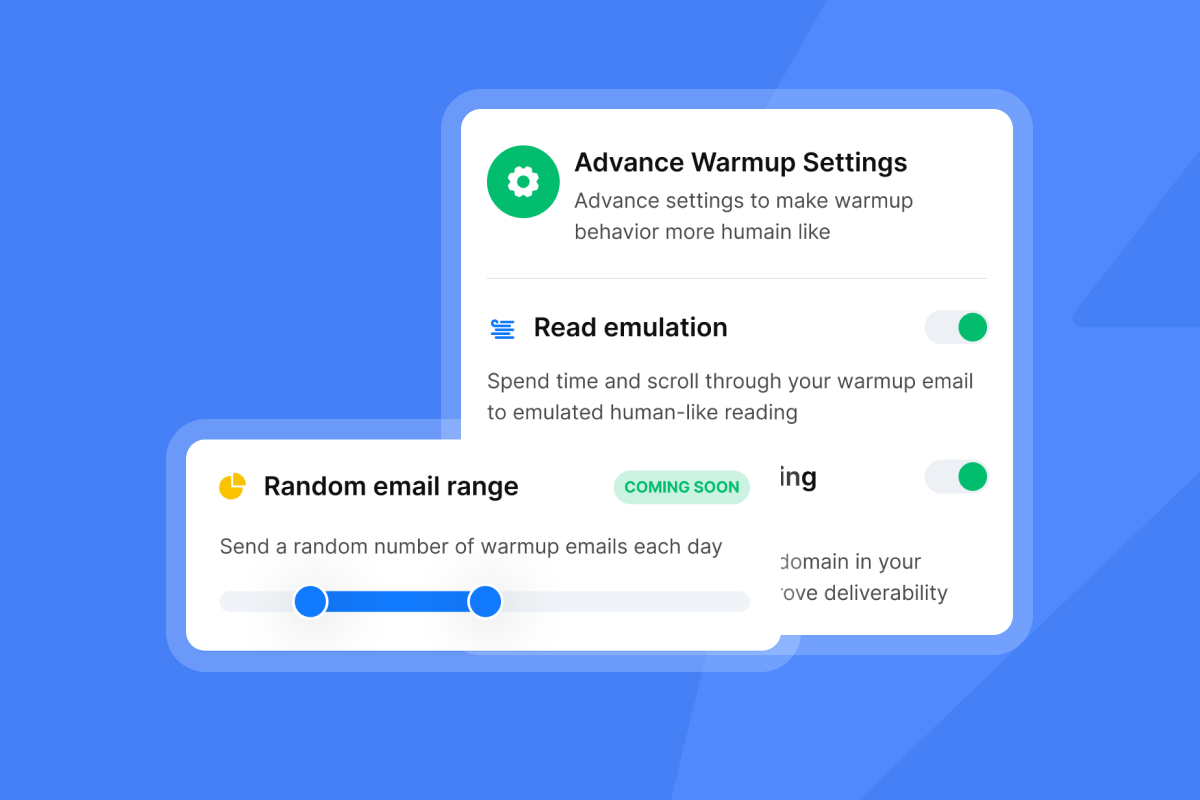
This process filters out catch-all and role-based addresses, which are common sources of inflated accuracy claims from lower-quality providers. Refresh frequency matters just as much as initial validation. This directly affects your email deliverability for sequences, because a verified list is the first checkpoint in a healthy sending system.
Depth of contact data fields
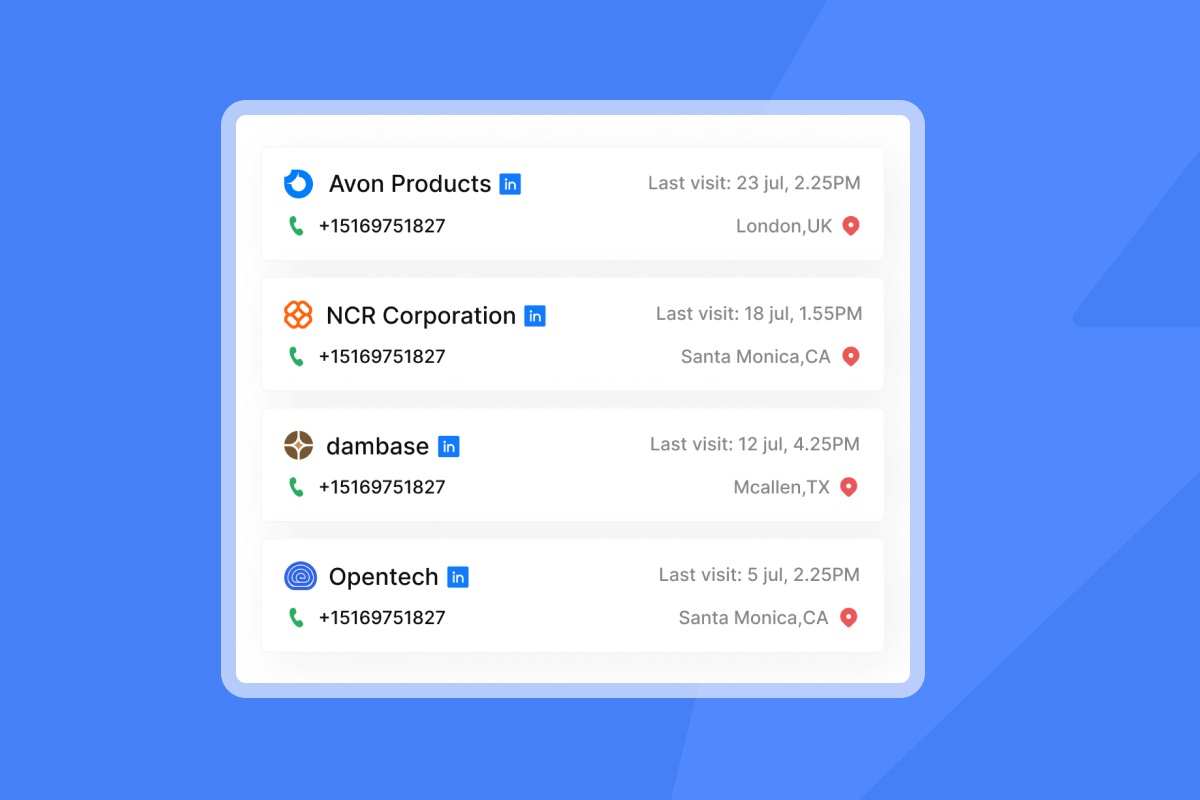
Targeting depth separates a commodity list from a strategic asset. The most effective B2B databases pair core contact fields (name, email, title, direct dial) with firmographic filters (company size, revenue, industry, location) and intent signals.
Intent signals identify accounts actively researching a product category right now, letting your team prioritize effort where buying behavior is already showing. Technographic data (the tools a company currently uses) adds another targeting layer for specialized campaigns. Pairing contact data with account intelligence and buying signals can materially reduce wasted outreach. The Subject Line Testing at Scale governance framework covers how to tie intent-filtered lists to sequence testing for measurable pipeline lift.
The practical target is keeping your bounce rate at or below 1%. Rates above that level signal poor list hygiene to email providers and can degrade your sender reputation over time, affecting every campaign you run from those domains. A smaller, triple-verified database of 5,000 accurate contacts consistently outperforms a 50,000-contact static list where 20-30% of records are stale.
Predictable B2B list costs
The pricing models in this category vary dramatically and the differences compound at team scale. Enterprise contracts from providers like ZoomInfo lock teams into annual commitments starting around $14,995/year. Factors.ai estimates that mid-sized teams of 5-10 seats typically land between $25,000 and $35,000 per year once additional credits and add-ons are factored in.
Per-seat models from Apollo ($49-$119/user/month on annual billing) scale linearly with headcount but do not give you volume discounts on the data you actually consume. Flat-fee models, like Instantly's SuperSearch at $47/month for 1,500-2,000 credits, decouple data access from headcount and make team scaling predictable. The email tracking software pricing models guide breaks down seat-based, usage-based, and flat-fee structures with TCO formulas so you can model the full cost before committing.
API robustness for integrations
Accurate data only drives pipeline if it flows cleanly into your CRM and ops stack. The key questions are: does the provider offer native bidirectional sync, or does it require a middleware layer like Zapier? How frequently does the sync run? And does a field mapping failure cause silent data loss that makes your reporting unreliable?
A dynamic data platform continuously verifies and refreshes its contact records, applies enrichment layers against multiple sources, and connects directly to your outreach workflows. A static list vendor sells you a file. The gap shows up immediately in bounce rates: static lists often reach 10-20% bounces at first send, while dynamic platforms with active re-verification maintain sub-1% with healthy sending practices.
The providers below represent the current range of options across different use cases, team sizes, and budgets.
Features, pricing & deliverability comparison
Provider | Warmup & deliverability | CRM sync |
|---|---|---|
Instantly | 4.2M+ warmup network, SISR (Server & IP Sharding & Rotation), automated inbox placement tests | Native HubSpot (OutboundSync), Zapier, API |
Apollo.io | Reported warmup and deliverability features | CRM integrations available |
ZoomInfo | Data provider (warmup/sending requires separate tools) | Enterprise CRM integrations |
Hunter.io | Warmup available as add-on | CRM integration available |
RocketReach | Data provider (warmup/sending requires separate tools) | CRM via API |
Cognism | Data provider (warmup/sending requires separate tools) | Enterprise CRM integrations |
UpLead | Data provider (warmup/sending requires separate tools) | CRM integrations |
Provider | Warmup & deliverability | CRM sync |
|---|---|---|
Instantly | 4.2M+ warmup network, SISR, automated inbox placement tests | Native HubSpot, Zapier, API v2 |
Apollo.io | Built-in warmup and deliverability suite; no dedicated IP-level controls | Native HubSpot |
ZoomInfo | No native warmup or inbox placement testing | Enterprise CRM integrations |
Hunter.io | Warmup available as an add-on (Inbox Protection) | Limited native CRM sync |
RocketReach | No native warmup or sending tools | CRM via API |
Cognism | Data provider only; no warmup or sending tools | Enterprise CRM integrations |
UpLead | No native warmup or sending | CRM integrations |
Provider feature & cost comparison
- Cognism: Leads in GDPR-compliant, phone-verified European data. Reportedly offers enterprise pricing structures.
- Lusha: Strong GDPR compliance and European data focus with a credit-based model. Suited for teams with a heavy European ICP and compliance requirements.
- UpLead: Mid-market alternative with a 95% accuracy guarantee and a pay-as-you-go model. Solid for teams needing verified contacts without an annual commitment.
- Snov.io: Email finding and verification with lightweight outreach sequences. Works well for early-stage teams testing outreach before investing in a
Enterprise sales teams prospecting into large North American companies choose ZoomInfo for its 320M+ contact database and deep coverage of US and Canadian accounts. For ABM strategies targeting a defined list of named accounts, its intent signal layer and org chart data offer material advantages over mid-market databases.
ZoomInfo operates exclusively on annual or multi-year contracts. Industry estimates place the entry paid tier at approximately $14,995/year (roughly $1,250/month). Mid-sized teams of 5-10 seats typically land between $25,000 and $35,000/year once credits and add-ons are included, according to third-party pricing analyses. The trade-off is the annual lock-in and the additional investment required to build sending infrastructure alongside it, since ZoomInfo does not include native email warmup, inbox placement testing, or IP rotation tools.
Hunter.io is a specialized email finding and verification tool, not a full prospecting database. Use it to identify email addresses for a specific company domain when you already know the target company you want to reach. By entering a company's domain, Hunter returns a list of email addresses with verification status and confidence scores. Its SMTP check process tests whether a server accepts an email address without sending one, and it offers catch-all address verification through its own proprietary solution.
Pricing and deliverability features
Features for teams needing additional deliverability support. For research-intensive outreach where a rep manually identifies target companies and needs verified contact emails, Hunter is well-priced and accurate. For volume-driven SDR programs that require a database, segmentation filters, and dedicated deliverability infrastructure, Hunter covers only part of the stack.
- Starter: $34/mo (500 searches, 1,000 verifications)
- Growth: $104/mo (10,000 searches per month, billed annually)
Higher-volume tiers available with extended verification limits No phone data is included at any tier. Hunter does offer an Inbox Protection add-on that automates email warmup to build and maintain sender reputation. For research-intensive outreach where a rep manually identifies target companies and needs verified contact emails, Hunter is well-priced and accurate. For volume-driven SDR programs that require a database, segmentation filters, and dedicated deliverability infrastructure, Hunter covers only part of the stack.
RocketReach claims 90-98% deliverability on verified emails, though independent testing results vary by segment and geography. The platform does not include native email warmup, sending tools, or inbox placement testing, so teams using RocketReach for contact data need a separate investment in sending infrastructure. Its broad personal and professional email coverage makes it effective for account research and targeted list building, but for SDR teams running structured outreach sequences at volume, the data-to-inbox gap requires a separate tool to close.

Find the best B2B email list for your team
The decision comes down to whether you want to assemble a stack or run a unified system. A stack gives you flexibility but adds reconciliation work, credit management across multiple platforms, and deliverability blind spots between tools. A unified platform handles data sourcing, verification, sending, warmup, and inbox placement in one place with one pricing model.
Instantly's Team Workspace shows what unified administration looks like in practice: admin controls, rep-level send quotas, and a shared Unibox that eliminates tool-switching for your SDRs. The 450M+ B2B lead database pairs LLM-assisted enrichment and waterfall verification across 5+ providers with a flat-fee model that does not charge per seat.
"I like that Instantly is intuitive and everything is done in one place, from lead sourcing to writing campaigns to reaching out to them. I appreciate how it helps with warming up and managing email inboxes." - Nouredinne K. on G2

Match provider to your ICP and markets
The right provider depends on where your buyers are, what firmographic filters you need, and how your reps build pipeline. US enterprise ABM programs benefit from ZoomInfo's intent data and org chart depth, but pay for it. Teams with a European ICP that requires GDPR-compliant phone data should evaluate Cognism's Diamond Data. Volume-driven SDR programs across mixed geographies, where flat-fee pricing and deliverability tooling matter more than enterprise contract depth, are best served by Instantly's SuperSearch.
For signal-based outreach strategies, the signal-based cold email walkthrough from the Instantly channel shows how intent filters combine with outreach automation in practice.
- Apollo (annual per-seat pricing): Multiple tiers with per-user monthly charges
- ZoomInfo entry (estimated): Annual contract in five-figure range
- Instantly SuperSearch Growth + Outreach Growth: $94/mo total for the whole team, not per seat
The SuperSearch Growth plan at $47/mo provides credit-based access with no additional per-seat charges for adding team members.
- Apollo Professional (5 seats, annual): 5 x $79/mo = $395/mo ($4,740/year)
- ZoomInfo entry (estimated): $14,995-$25,000/year
- Instantly SuperSearch Growth + Outreach Growth: $47 + $47 = $94/mo ($1,128/year) for the whole team, not per seat
The SuperSearch Growth plan at $47/mo gives you 1,500-2,000 credits, with higher-tier plans delivering 5,000-7,500 credits. Credits cover both lead lookups and LLM-assisted enrichment with no additional per-seat charges for adding team members.
Test B2B email list data quality
Before committing to any provider, run a 30-day POC tied to a specific meetings or SQL goal:
- Export 500-1,000 contacts from the provider targeting your core ICP segment.
- Verify the list independently using an SMTP checker before sending.
- Run a send deliverability test to confirm inbox placement before launching at volume.
- Track bounce rate, reply rate, and meetings set against your baseline.
- Evaluate accuracy by comparing verified-to-bounced ratios against the provider's stated accuracy rate.
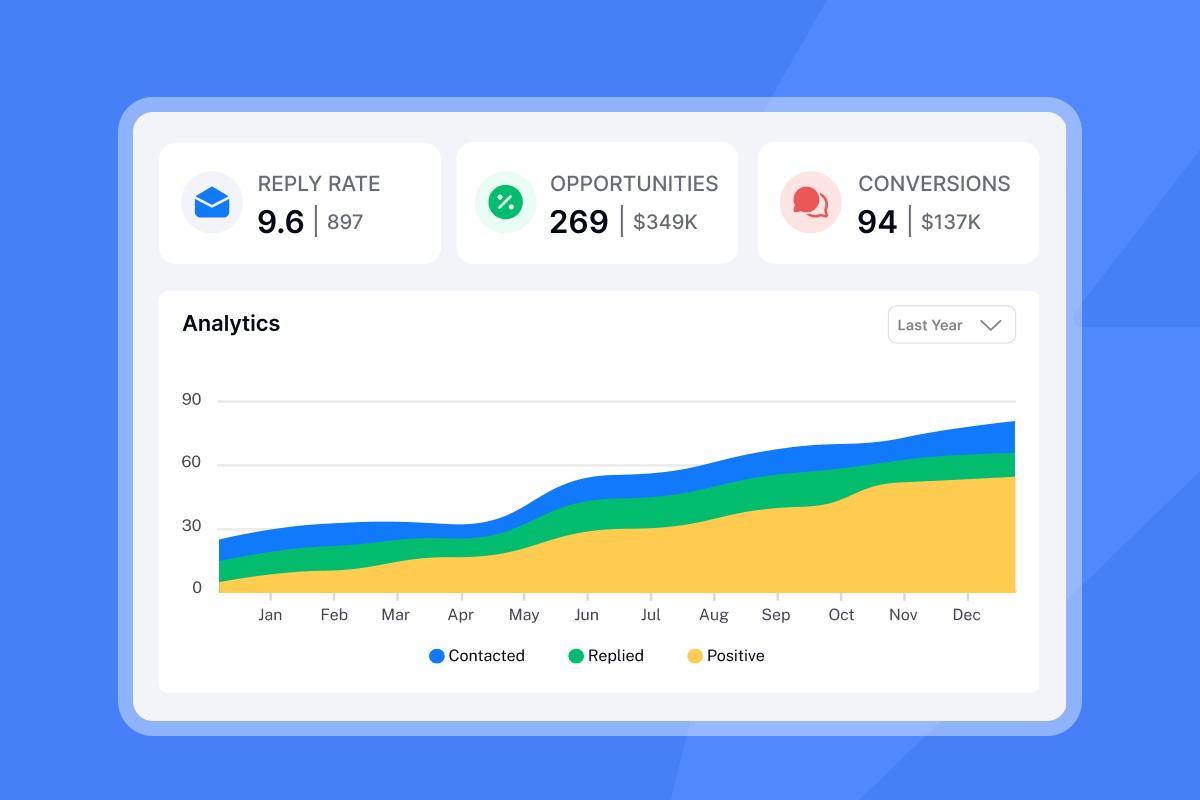
Instantly's automated inbox placement tests run continuously and alert you when inbox rates shift, giving you early warning before a deliverability problem compounds across active campaigns. This audit-friendly monitoring lets you show your CFO exactly where pipeline risk originates.
"Deliverability tools that actually move the needle: warmup, inbox rotation, and smart sending windows help us land in Primary instead of Promotions/Spam... Clear analytics: reply rates by step, inbox-level performance, and team dashboards make optimization straightforward." - Anthony V. on G2
Connect to your existing ops stack
Data-to-CRM handoffs break pipeline reporting when sync failures, duplicate records, or field mapping errors go unnoticed. The minimum viable integration includes native bidirectional sync with HubSpot, field-level mapping control, and a clear reconciliation model when contact state changes (opt-out, bounce, reply).
Instantly supports HubSpot via OutboundSync, plus Zapier, Make, Pabbly, and webhooks for custom CRM workflows. The Zapier integration for Close CRM shows a worked example of pushing interested leads directly into your CRM at the moment they reply. Instantly's Data Processing Agreement is publicly available and covers processing terms under Foo Monk LLC. Review it before any enterprise rollout. The email tracking privacy guide covers privacy regulations and opt-out handling in a single reference for compliance-sensitive buyers.
Every provider you evaluate should clearly answer three questions: Where does your data come from? How do you handle opt-out and deletion requests? And what is your compliance posture under GDPR, CCPA, and CAN-SPAM?
GDPR permits cold B2B outreach under legitimate interest, but requires that your message is relevant to the recipient's professional role, that you are transparent about data sourcing, and that you provide a clear opt-out. The CCPA's B2B exemption expired in January 2023, meaning California business contacts are now fully protected. CAN-SPAM requires a physical address, no misleading subject lines, and opt-out processing within 10 business days. Industry compliance guides cover the full requirements including one-click unsubscribe handling.
Instantly's Data Processing Agreement is publicly available and covers processing terms under Foo Monk LLC, AWS infrastructure, and the categories of data that must not be uploaded (PHI, payment card data, biometric data). Review it before any enterprise rollout. The email tracking privacy guide covers GDPR, CCPA, and opt-out handling in a single reference for compliance-sensitive buyers.
Smart questions before getting B2B email lists
Keep bounce rate at or below 1%. High bounce rates can affect your sender reputation over time and impact campaign performance. A provider that claims high accuracy but delivers elevated real-world bounce rates is a liability, not an asset.
- Does the provider offer month-to-month billing, or is an annual contract required?
- What is the stated data accuracy rate, and what methodology backs it up?
- How often is the database refreshed to combat the 2.1% monthly decay rate?
- What happens to unused credits at the end of the billing cycle?
- Does the platform include native sending and warmup, or do those require separate tools?
- Can you export a sample list before purchasing to test quality against your ICP?
Benchmark B2B email list bounce rates
Keep bounce rate at or below 1%. Rates above that level signal poor list hygiene to email providers and can degrade your sender reputation over time, affecting every campaign you run from those domains. A provider that claims 95%+ accuracy but delivers 10-15% real-world bounce rates is a liability, not an asset.
Ask every vendor directly: how often do you refresh contact records? The 2.1% monthly decay rate means a database refreshed annually has lost significant accuracy before you send your first email. Providers that refresh continuously using community contributions, third-party enrichment feeds, and SMTP re-verification maintain substantially higher accuracy than those running quarterly or annual bulk refreshes. Ask for a sample export and verify it independently before signing.
"I run outreach campaigns targeting HR leaders across the Gulf and Europe, and Instantly.ai is the backbone of my operation. Emails land in inboxes, not spam. Easy to scale across multiple campaigns and markets. Clean analytics, open rates, replies, bounces, all in one view." - Salam Karam on G2
B2B list provider update schedule
Ask every vendor directly: how often do you refresh contact records? The 2.1% monthly decay rate means a database refreshed annually has already lost 22.5% of its accuracy before you send your first email. Phone numbers change at approximately 18% annually and email addresses at 23-30%, with job changes driving the majority of the decay across all contact fields.
Providers that refresh continuously using community contributions, third-party enrichment feeds, and SMTP re-verification maintain substantially higher accuracy than those running quarterly or annual bulk refreshes. Ask for a sample export and verify it independently before signing.
Connect B2B lists to your CRM
Ask for specifics on the CRM sync: is it native or via middleware? Is the sync unidirectional (provider to CRM only) or bidirectional? How does the platform handle duplicate detection? And what is the reconciliation process when a contact bounces in your outreach tool but is still marked as active in CRM?
The email open tracking accuracy guide explains why open rate data is particularly unreliable without proper CRM reconciliation, and why reply rate is the more defensible metric for pipeline reporting.
"I use Instantly integrated with Hubspot, and it seems to be the best tool on the market for cold outreach." - Josh R. on G2
Credits vs. seats for team budget
Per-seat pricing scales linearly with headcount and disconnects cost from the value you actually generate. A 10-rep team on Apollo Professional pays $790/month just for seats on annual billing, before factoring in credit consumption for phone lookups, enrichment, and exports. A flat-fee model like Instantly's keeps the base cost fixed regardless of how many reps you add to the workspace.
The Instantly pricing page details the full module breakdown with illustrative team stacks, and the email tracking software pricing models guide maps out TCO formulas across all three model types so you can model the full cost before committing.
Verify B2B list GDPR compliance
B2B contact data decays at approximately 2.1% per month. Email addresses decay over time, driven primarily by job changes, company acquisitions, and domain changes.
Picking the right B2B email list provider directly affects whether your team hits pipeline targets or spends the quarter cleaning up a domain reputation problem. If you want to eliminate the data-to-deliverability gap with one unified system, try Instantly free and run a 30-day POC: pull 500 contacts from SuperSearch using your ICP filters, verify them through the triple-check process, and launch a warmup-protected sequence with inbox placement monitoring active from day one.
Top-tier providers target high verified accuracy rates, substantially above industry averages. Accuracy varies significantly between vendors, so always request a sample export and verify it against your own SMTP checker before purchasing at volume.
What is the average data decay rate for B2B contact lists?
A static list is a file purchased once, typically with limited or no refresh after export. A dynamic platform continuously updates contact records, applies enrichment, and integrates directly with your outreach and CRM workflows to keep data current.
What data accuracy should I expect from a top-tier B2B email list provider?
Apollo operates on a per-seat pricing model with annual and monthly billing options. Instantly's Outreach Growth plus SuperSearch Growth costs $94/month total for the entire team, with no per-seat fees, plus unlimited email accounts, a 4.2M+ account warmup network, and automated inbox placement testing.
What is the difference between a static B2B email list and a dynamic data platform?
A static list is a file purchased once, with no refresh or enrichment after export. A dynamic platform continuously re-verifies contact records, applies enrichment against multiple data sources, and integrates directly with your outreach and CRM workflows to keep data current.
How does Instantly SuperSearch pricing compare to Apollo for a 5-rep team?
B2B contact database: A data platform that delivers verified business contact information to sales and revenue operations teams for prospecting and outreach, typically including professional emails, job titles, and company intelligence.
What bounce rate target should I use to evaluate a B2B email list?
Enterprise-grade B2B data: Contact data from large-scale databases with comprehensive firmographic, technographic, and intent signal coverage, typically from enterprise providers. Delivered under enterprise contract structures with stated accuracy targets, though real-world email accuracy varies by segment and verification methodology.
Key terms glossary
B2B contact database: A data platform that delivers verified business contact information, including professional emails, direct-dial phones, job titles, and company intelligence, to sales and revenue operations teams for prospecting and outreach.
Data decay: The rate at which B2B contact information becomes inaccurate over time, measured at approximately 2.1% per month (22.5% annually), driven by job changes, company acquisitions, and email domain changes.
Enterprise-grade B2B data: Contact data from large-scale databases with deep firmographic, technographic, and intent signal coverage, typically from legacy enterprise providers. Delivered under annual or multi-year contract structures with stated company-affiliation accuracy targets in the 95%+ range, though real-world email accuracy often measures between 75-85%.
Firmographic data: Company-level attributes used to filter and segment prospecting lists, including employee count, annual revenue, industry vertical, headquarters location, and company age.
Global GTM intelligence: Contact and account data that spans multiple geographies with compliance controls appropriate for each region, supporting sales teams running outreach across different international markets.
Intent signals: Behavioral data indicating that a company is actively researching a product category or solution, derived from content consumption patterns, vendor comparison page visits, and third-party intent networks.
Pay-as-you-go: A credit-based or usage-based pricing model where you pay only for the contact records or data enrichment consumed, with no annual contract or minimum commitment requirement.
Signal data: Behavioral and technographic intelligence layered on top of contact records, including intent signals, technology stack data, and hiring signals, used to prioritize outreach toward accounts showing active buying behavior.
Triple-verified: A three-stage email validation process covering syntax formatting checks, domain and MX record validation, and SMTP-level confirmation that the mail server accepts the address, used by top-tier providers to achieve 90-95%+ deliverability accuracy.



