


Updated April 20, 2026
TL;DR: Most founders track open rates on proposal emails, but proposal email metrics that actually predict closed deals are response rate, time-to-response, and conversion to close. Opens are a deliverability check, nothing more. ForB2B SaaS, monitor open rates to ensure your infrastructure is working, target a 5-10% reply rate as a healthy benchmark, and aim for a22-30% proposal-to-closerate as your pipelinetarget. The fastest wayto improve all three is to build a warm sending infrastructure, respond to replies in under five minutes, and run A/Z tests on subjectlines and timing, though A/Z testing only produces reliable insights when run with adequate sample sizes.
Creating custom proposals demands hours of research, documentation, design, and presentation. Yet most founders lose deals because their email tracking stops at the open rate. High open rates on proposal emails don't tell you whether a buyer is interested. They tell you your deliverability is working. To turn proposals into booked revenue, you need to measure response rates, time-to-response, and conversion to close. This guide breaks down the exact proposal email metrics that predict closed deals and shows how to use a unified inbox to track them.
Avoid vanity metrics that kill pipeline
Every hour you spend on a custom proposal is an opportunity cost. When you send that proposal via email and only track opens, you miss the most important question: is the buyer actually engaging with your offer?
The problem is that open rate tracking is broken. Apple's Mail Privacy Protection (MPP) automatically pre-fetches email content for every Apple Mail user, registering an "open" whether the person read your email or not. According to our own analysis, open rates are nearly double what they were before MPP rolled out, and 75% of email opens are now considered artificially inflated. When you use an inflated open rate as your success signal, you optimize for the wrong outcome, and your proposal pipeline reflects it.
Measuring proposal ROI, not just opens
An open rate tells you that your subject line and sender reputation cleared the spam filter. Nothing more. Define your tracking this way: the reply rate is your first signal of genuine engagement, and the conversion-to-close rate is your proof of proposal value.Calculate reply rate as (total replies divided by emails delivered) multiplied by 100.Calculate conversion as (deals closed divided by proposals sent) multiplied by 100.These two numbers give you the actual ROI signal on every proposal you send.
Unpacking proposal close rate gaps
A low conversion rate from proposal to close usually points to three factors: a misaligned value proposition, a weak follow-up sequence, or a slow response time that lets the buyer's intent cool.High-performing teams typically close between 45% and 50% of qualified buyers at the proposal stage, while the broader industry range sits between 25% and 50% depending on deal complexity and vertical.When your numbers fall significantly below that, the issue is usually in the email delivery, the follow-up speed, or the proposal content itself, not the product.
4 KPIs that drive proposal conversions
Build a four-KPI dashboard and stop tracking one metric in isolation. The KPIs that drive closed revenue are open rate (deliverability check only), reply rate, time-to-first-response, and proposal-to-close conversion rate.
Benchmark open rates for your niche
Use open rates as a floor check, not a ceiling to celebrate. If your B2B email open rates drop below 15%, you likely have a deliverability problem. Industry benchmarks put B2B emails at an average 21.3% open rate, with SaaS at 23%, Professional Services at 22%, and Consulting at 21%.If you're running at 35% or above on warm leads with proper personalization, that's a strong floor. Because MPP inflates these numbers, use inbox placement tests to verify your emails are landing in the primary inbox, not promotions or spam.
For subject line length, shorter outperforms longer. Research from Omeda shows that subject lines under 20 characters average a 29.9% open rate, compared to 17.3% for subject lines between 20 and 124 characters. Keep proposal subject lines concise, specific, and under 50 characters for the best results, validated in testing across Instantly's subject line dataset.
Measuring proposal email replies
The B2B cold email reply rate averages 3% to 5.1% across 2025 and 2026 benchmarks. Proposal emails to warm or qualified leads should perform better than cold outreach, with top-performing teams hitting 5-10% on focused campaigns. For proposal emails where the recipient has already expressed some interest, a reply rate below 3% signals a problem with your proposal framing, your subject line, or your timing.
Track reply rate separately from open rate. A campaign with 20% opens and5% quality replies will outperform a campaign with 40% opens and 1% replies every time in terms of pipeline per dollar.
Close deals with fast responses
You probably underestimate how much speed matters. When a buyer opens your proposal and sends a question, the window of peak intent is short. Instantly's AI Reply Agent handles lead replies in under five minutes, 24/7, keeping buyers engaged while their intent is still high.A prospect who asks "Can you clarify your pricing?" and gets a reply in four minutes versus four hours experiences a completely different confidence level in your team.
Boosting your proposal close rate
A realistic target for B2B proposal-to-close conversion is 20-30%, with top performers reaching 30-40%.B2B win rates at the proposal stage vary by industry: SaaS companies average 22%, while manufacturing ranges from 30-50% depending on deal complexity. According to Proposify's 2025 State of Proposals, the industry average close rate for sales sits around 20%. If you're below 15%, consider auditing four variables:
- List quality: Are your proposals going to verified, in-market contacts?
- Subject line: Is it specific enough to signal value before the open?
- Follow-up sequence: Are you queuing at least two follow-ups after the initial send?
- Response speed: Are you replying to buyer questions the same day?
What to expect from proposal outreach
Setting the right baseline prevents misread data. Your metrics will vary based on list quality, domain age, and how warm the relationship is before you send the proposal.
Pipeline per dollar improves fastest when you raise reply rate, not open rate. Moving from 3% to 5% replies on 100 proposals means two additional qualified conversations per batch, which compounds quickly across a 90-day campaign.
| Metric | Baseline | Top Performer |
|---|---|---|
| Open rate | 20-25% | 35%+ |
| Reply rate | 3-5% | 10-15% |
| Proposal-to-close | 30-35% | 45-50% |
Diagnosing low proposal email rates
If your open rate drops below 15% or your reply rate falls below 3%, the problem is usually one of three things: domain health, list quality, or authentication setup.
- Authentication: Confirm SPF, DKIM, and DMARC records are properly configured. Google, Yahoo, and Microsoft now enforce bulk sender authentication rules requiring spam complaints under 0.3% and bounces under 2%.
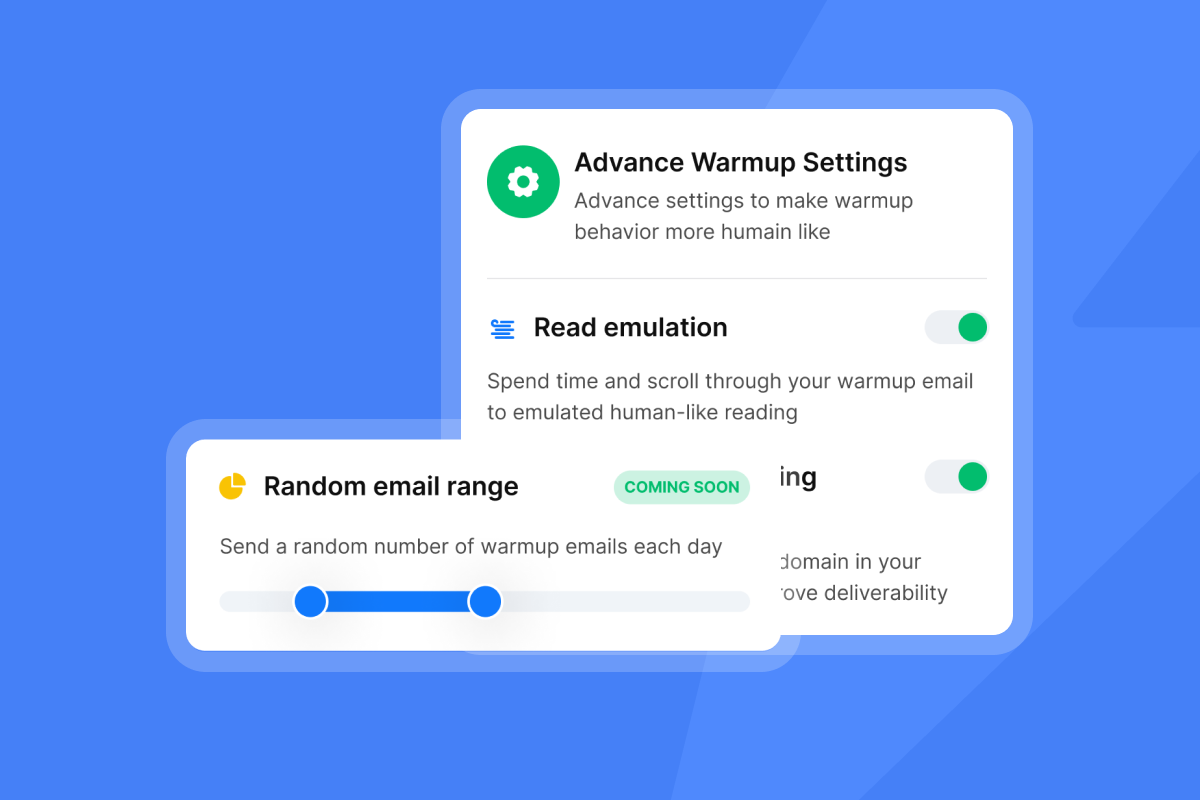
- Warmup: New domains need a 30-day warmup period. Start with low daily volume and gradually ramp to a maximum of 30 per day, never above that cap, or you risk triggering spam filters.
- List hygiene: Verify contacts before sending. Keep bounce rates under 2% (ideally under 1%). If bounces exceed 2%, pause, re-verify your list, and restart at a lower volume.
Instantly's Inbox Placement tests run automatically to show you whether your emails land in the primary inbox, promotions, or spam before you scale a campaign. The cold email deliverability guide covers the full authentication and warmup process if you want a step-by-step walkthrough.
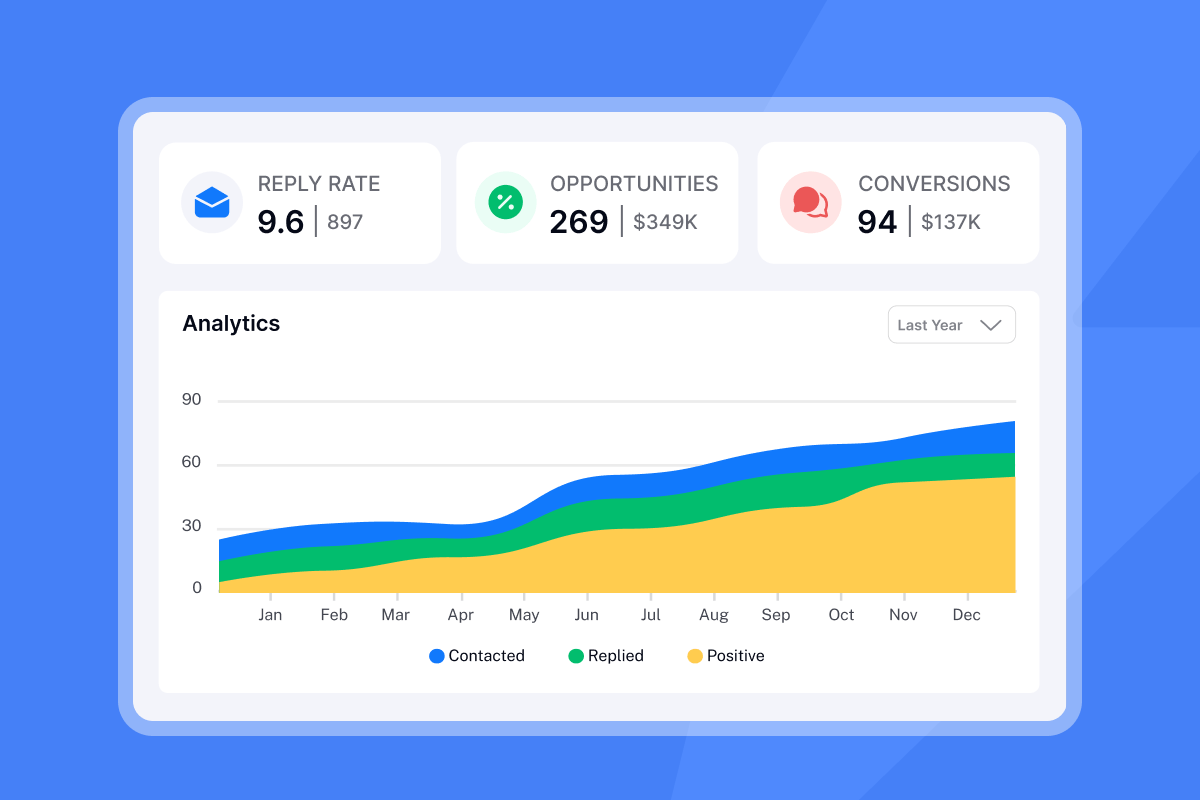
Your proposal analytics dashboard in Instantly
Tracking four KPIs manually across multiple inboxes is where most founder-led teams fall apart. The answer is centralizing your proposal data in one analytics view rather than juggling spreadsheets and separate tool dashboards.
Set up your proposal metrics dashboard
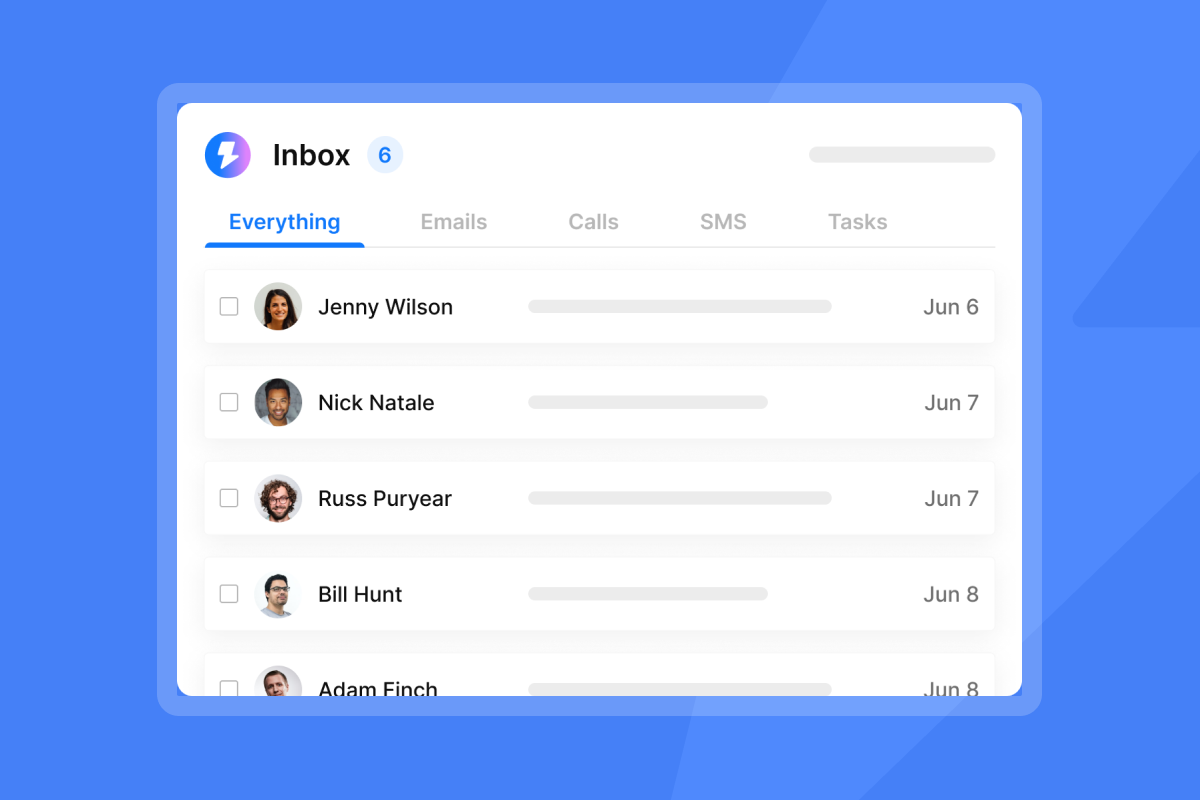
Instantly's Unibox centralizes every reply from every sending account into one inbox. When the AI Reply Agent scans incoming replies, it automatically tags them as interested, neutral, or not interested based on sentiment analysis. You can filter by tag and see how many proposal replies are expressing positive intent versus requesting removal in real time, without reading every reply manually.
To build a proposal-specific view: create a dedicated campaign for each proposal batch, tag emails at the campaign level, and set your dashboard to show reply rate and conversion as primary KPIs. Connect the Campaign Pipeline Analytics view to track opportunities and revenue driven by each campaign. Map each Unibox "interested" tag to a booked meeting in your CRM. Instantly connects to HubSpot and Salesforce via OutboundSync integration so reply data flows automatically into your pipeline without manual entry.
"I really like theunlimited email accounts feature because it allows me to scale outreach safely and efficiently without hitting the sending limits, which is crucial for consistent lead generation.Thecampaign analytics dashboard is another feature I appreciate, as it gives clear insights into open rates, reply rates, and overall performance." - Pradeep T. on G2
Drive more deals: optimize proposal emails
Use data, not guesswork, to improve proposal email performance.
Proposal email structure checklist:
- Subject line is under 50 characters and references a specific buyer goal
- Opening line references the buyer's context, not your company
- Value proposition is stated in one sentence in the first paragraph
- Scope, timeline, and cost are clearly summarized (no attachment required to get the basics)
- A single, specific CTA ends the email (book a 20-minute call, not "let me know your thoughts")
- Follow-up sequence is queued for days 3 and 7 after send
Crafting high-converting proposal subjects
Shorter subject lines outperform longer ones for proposal emails. Testing across the Instantly subject line dataset confirms that 30-50 character subject lines generate the strongest open and response rates. Three practical tips:
- Name a specific outcome: "Proposal: 3x reply rate for [Company] Q3 outreach" outperforms "Following up on our conversation."
- Avoid spam trigger words. Run every subject line through the Instantly AI Spam Words Checker before sending.
- Test subject lines with adequate sample size for statistical validity. You need 100+ contacts per variant and at least 95% confidence before calling a winner. Use subject line testing guidance to calculate required sample sizes based on your baseline conversion rate.
When to send proposal emails
Timing affects reply rates more than most founders expect. Configure your send schedules in Instantly to match the buyer's time zone and target mid-morning windows during the early work week, when inboxes are actively monitored. Sending a proposal late on Friday means it competes with end-of-week inbox cleanup. Use the secondary sending domains guide if you're sending to multiple regions to ensure appropriate IP rotation across sending times.
Data-driven proposal content refinements
When reply rates drop below your benchmark, use the AI tools in Instantly to refine underperforming sequences. The AI Sequence Writer can help you create new email variants, and the AI Rephrase tool offers alternative framings of your messaging. Consider pulling your lowest-performing proposal email and testing revised versions against the original. The 6 steps to better responses video from Instantly walks through a practical framework that applies directly to proposal follow-up sequences.
"I appreciate Instantly for itsintelligent handling of domain and mailbox rotation as well asprovider matching, which is critical for ensuring that my emails land directly in the primary inbox instead of getting caught in spam filters." - Richard E. on G2
What makes a quality response?
Not every reply moves the deal forward. Industry-standard reply categorization includes positive interest ("Can we schedule a call?"), meeting booked, objection (price, timing, or feature concerns), request for information (clarifying questions about scope), referral, not a fit, nurture, unsubscribe, and out-of-office or bounce messages. Instantly's AI Reply Agent automatically classifies reply sentiment across these categories, so you can see the distribution at the campaign level. A campaign heavy on "request for information" replies tells you your proposal is generating interest but lacks enough clarity to drive a direct yes. Adjust your proposal copy to pre-answer those questions in future sends.
Decoding your proposal email metrics
Optimizing proposal email open rates
If opens drop below 15%, work through this fix order: check that SPF, DKIM, and DMARC are active, run an Inbox Placement test to verify primary inbox delivery, review your subject line using the Cold Email Subject Line Checklist, and check domain age. Domains under 30 days old without a completed warmup will underperform regardless of copy quality. The why opens are not being tracked article covers technical tracking issues that can cause artificially low open rate reports.
Insights from proposal link clicks
A buyer who clicks a link in your proposal email is showing active intent. Email click tracking reveals whether buyers are engaging with your pricing summary, case study link, or booking link. If your booking link gets clicks but no bookings, the barrier is likely friction in your calendar tool, not disinterest. Use click data to prioritize your manual follow-up order: buyers who click your pricing link multiple times are stronger candidates for direct pricing conversations than those with no engagement.
Setting proposal conversion goals
Set conversion goals that reflect realistic improvement over your current performance. If you're at 15% proposal-to-close and industry averages suggest 22% is achievable, focus on closing that gap incrementally. An improvement approach might include: tighten subject lines using A/Z testing to raise reply rate, activate the AI Reply Agent to improve response time, and refine proposal content using AI-generated copy variants. Tie each improvement to a measurable outcome: more booked meetings, lower cost per meeting, or a shorter average sales cycle. Those numbers connect directly to runway and CAC payback, which is where every outreach dollar ultimately gets evaluated.
Start tracking all four KPIs in one place with a free trial of Instantly. Use the Unibox and AI Reply Agent to manage your proposal replies and measure what actually closes deals.
"I use Instantly for cold emailing for my company, and I really appreciate the deliverability it offers.I like the 'interested leads' feature because I get notified when somebody is interested, so I don't have to check it manually." - Laura R. on G2
FAQs
What is a good open rate for a proposal email?
B2B proposal email open rates vary widely by industry andsender reputation. Because Apple Mail Privacy Protection can inflate reported opens, many sales teams now prioritize reply rate over open rate as their primary success metric.
What is the average proposal-to-close conversion rate?
B2B win rates at the proposal stage average around 20%, with top-performing teams reaching 30-40%. SaaS companies average 22%, and manufacturing ranges from 30-50% depending on deal complexity.
How quickly should you follow up on a proposal email?
Send your first follow-up three days after the original proposal and queue a second follow-up at day seven.Adding follow-up touches at this cadence meaningfully increases total replies by keeping your proposal top-of-mind during the buyer's evaluation window.
What reply rate should I target for proposal emails?
Target a 5-10% reply rate for proposal emails sent to warm or qualified leads.The B2B cold email average is 3-5.1%, but proposal emails to engaged prospects should consistently exceed 5%.
How does the Instantly AI Reply Agent improve proposal response time?
The Instantly AI Reply Agent handles incoming replies in under five minutes, 24/7, classifying sentiment as interested, neutral, or not interestedand drafting a response for human review or sending automatically in Autopilot mode.
Read next
Key terms glossary
Proposal conversion rate: The percentage of proposals sent that result in a closed deal, calculated as (deals closed divided by proposals sent) multiplied by 100.The B2B average is 25-35%, with SaaS companies typically seeing 35% and top performers reaching 40-50%.
Reply rate: The percentage of delivered emails that receive a response, calculated as (total replies divided by emails delivered) multiplied by 100. The B2B cold email average is 3-5.1%, with 5-10% as a target for proposal emails to warm leads.
Unibox: Instantly's centralized inbox that consolidates replies from all sending accounts into one view, with AI-powered sentiment tagging (interested, neutral, not interested) for fast pipeline review.
Apple Mail Privacy Protection (MPP): A feature that pre-fetches email content for Apple Mail users, registering opens regardless of whether the recipient reads the email.It inflates reported open rates by up to double the pre-MPP baseline.
A/Z testing: Instantly's variant testing feature that lets you test multiple email variants simultaneously to identify the subject line, send time, or copy version that generates the highest reply rate.


