.svg)
%20(1).svg)


Updated July 13, 2026.
TL;DR: Manual lead qualification wastes sales capacity and inflates pipelines with unqualified prospects. AI BDR systems automate ICP scoring, validate intent signals, and protect deliverability through systematic data verification and sending controls. Instantly.ai provides this infrastructure at scale: unlimited email accounts, built-in lead verification, automated reply classification, and flat-fee pricing with no per-seat penalties. Teams running consistent, well-qualified outbound reach top-quartile reply rates of 5.5%+ without annual lock-ins.
Most sales leaders focus on writing better email copy to improve reply rates, but the real bottleneck in AI BDR lead qualification is the absence of a systematic, automated scoring process. Reps spend hours manually evaluating prospects against incomplete data, applying inconsistent criteria, and routing leads on gut feel rather than validated signals. The result is a pipeline inflated by contacts that will never convert and a sender reputation that degrades with every hard bounce.
The fix is a structured qualification system that treats data hygiene, ICP scoring, and deliverability as interconnected infrastructure layers, not separate tasks. This guide explains how to build that system, how to configure scoring models aligned with real closed-won data, and how to protect your domain reputation while scaling outbound volume. The same principles apply to any of the AI BDR tool options on your shortlist.
How AI BDR automates lead qualification
If you run manual lead qualification, you place too much decision-making in individual reps' hands. For example, one rep might mark a 50-person SaaS company as qualified because the title looked right. Another skips it because the domain was unfamiliar. The result is inconsistent data in your CRM and no reliable way to audit which signals predict revenue. An automated BDR agent can apply one set of criteria to every lead instead.
An AI BDR, like other types of ai agents, replaces that subjectivity with a repeatable, rule-based qualification engine. For this guide, the engine breaks down into four operational components:
- Data layer: Pulls firmographic, technographic, and behavioral signals from verified sources to build a baseline lead profile.
- Orchestration layer: Applies ICP scoring rules, assigns weights to each signal, and routes the lead to the correct workflow based on score thresholds.
- Execution layer: Sends outbound sequences within safe sending parameters, capping volume per inbox, managing warmup, and monitoring placement in real time.
- Agents layer: Handles reply classification, out-of-office detection, and lifecycle stage updates without rep intervention.
Each layer feeds the next. Clean data produces accurate scores. Accurate scores produce better routing. Better routing produces replies worth a rep's time.
Upgrading lead scoring accuracy
Human scoring introduces two consistent failure modes: optimism bias (reps over-score leads they like) and anchoring (reps reuse scores from similar companies last quarter). Both inflate pipeline and hide true conversion rates.
AI scoring standardizes criteria across every rep and every account, one of the clearest AI BDR vs human BDR differences. The system applies the same ICP weights to a lead sourced by your top SDR and one sourced by a new hire on day one. That consistency is what makes pipeline reporting trustworthy. When your CFO asks why SQL conversion dropped in Q3, for instance, you can trace the issue to a data signal rather than rep effort.
The operational shift is measurable. Automating reply classification and response handling frees up the time SDRs previously spent sorting inbound replies and drafting follow-ups, redirecting that capacity toward live conversations and outbound dials.
Key data points for lead scoring
Four categories of data, sourced and verified the way Instantly's guide to AI BDR data sources explains, form the foundation of an accurate AI BDR scoring model:
- Firmographics: Employee headcount, revenue range, and industry vertical. These baseline filters define your total addressable market.
- Technographics: The software stack a prospect currently runs. If you sell a product that integrates with or replaces a specific tool, companies running that tool are higher-intent targets by definition.
- Behavioral signals: Website visits, content downloads, email engagement history, and job posting activity. These indicate active evaluation, not passive awareness.
- Contextual triggers: Funding events in the last 12 months, executive hires, or product launches. These create buying windows that static firmographic data misses.
Instantly's SuperSearch gives you access to 450M+ B2B leads with filtering across all four categories, backed by waterfall enrichment across 5+ data providers to ensure contact accuracy before a single email is sent.
How ICP scoring filters unqualified leads
ICP scoring acts as the primary filter before any lead enters an active campaign run by an AI sales agent. Rather than letting reps decide which prospects fit your ideal customer profile, you codify the ICP into weighted rules that the system applies automatically.
A lead that matches on industry, headcount, and technology stack receives a high score and moves to active outbound. A lead that matches only on industry routes to a nurture sequence or holds for enrichment. A lead that fails on multiple criteria gets removed from active pipeline entirely. This filtering protects two things simultaneously: your reps' time and your domain reputation.
Validating ideal customer profiles
Programmatic ICP validation means defining your ideal customer in measurable terms and running every incoming lead against those definitions before it reaches the execution layer.
Step-by-step: Instantly SuperSearch filtering
- Open SuperSearch from the left nav and select "New Search."
- Apply the Industry filter to restrict results to your target verticals.
- Set the Employee headcount range to match your ICP using the company size slider.
- Add a Technology stack filter to target companies running specific software relevant to your offer.
- Refine with Geography, Funding stage, or Revenue filters until you have 300-1,000 contacts matching your defined criteria.
Instantly's advanced lead filtering documentation covers additional filter combinations for niche ICP configurations. Once your filtered list is built, Instantly's duplicate lead detection prevents the same contact from entering multiple campaigns simultaneously.
Identifying high intent tech stacks
Technographic data is the most underused signal in most B2B lead scoring models. A company's software stack tells you what problems they have already decided to solve, how mature their operations are, and whether they likely have budget for your solution.
For example, a company running a mid-market CRM alongside a dedicated sales engagement tool and a BI platform signals a revenue operations function that values automation. That combination scores higher in a RevOps-focused ICP than a company with no sales tech beyond spreadsheets.
Setting predictive lead scoring models
A predictive scoring model assigns numerical weights to each ICP attribute based on its historical correlation with closed-won revenue. Build yours by pulling your last 12 months of closed-won accounts from CRM and identifying which firmographic and technographic attributes appeared most consistently.
The table below shows an illustrative starting framework. Calibrate these weights to your own closed-won data before applying them to live campaigns.
Attribute | Match | Illustrative score |
|---|---|---|
Industry vertical | Yes | 30 |
Technology stack | Yes | 25 |
Employee headcount | Yes | 20 |
Funding event | Yes | 15 |
Geographic location | Yes | 10 |
Example total | 100 |
Using the illustrative scoring table above as a reference, example routing thresholds might look like this: leads scoring in the top tier route to active outbound, mid-range scores route to nurture sequences, and leads below the mid-range are deprioritized or removed from active outbound until a new buying trigger, such as a funding event or executive hire, raises their score. Calibrate the exact cutoffs to your own closed-won data before applying them to live campaigns. Adjust these thresholds monthly based on your actual conversion data.

Decoding buying signals for better leads
Static ICP data captures fit, not timing. Imagine a company that perfectly matches your ICP but has no active buying trigger. It may not convert for six months. The same company with a new VP of Sales hire, a recent funding round, and active SDR job postings is in a buying window right now.
AI BDR systems monitor real-time behavioral data alongside the static profile and update the lead score dynamically. The result is a qualification model that reflects both fit and intent. Instantly's AI Sales Agent automates this process end to end, sourcing leads from SuperSearch, applying intent filters, and enrolling high-scoring prospects in the appropriate campaign without manual intervention.
Automating lead interest detection
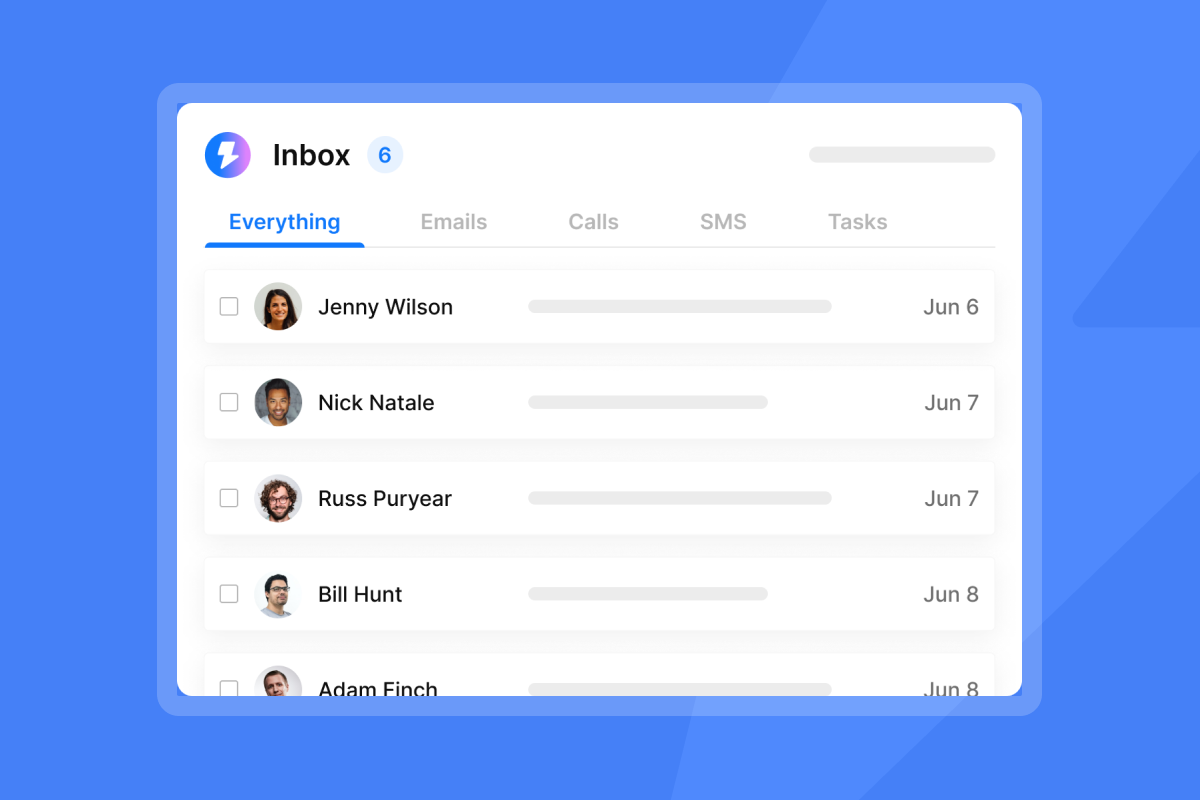
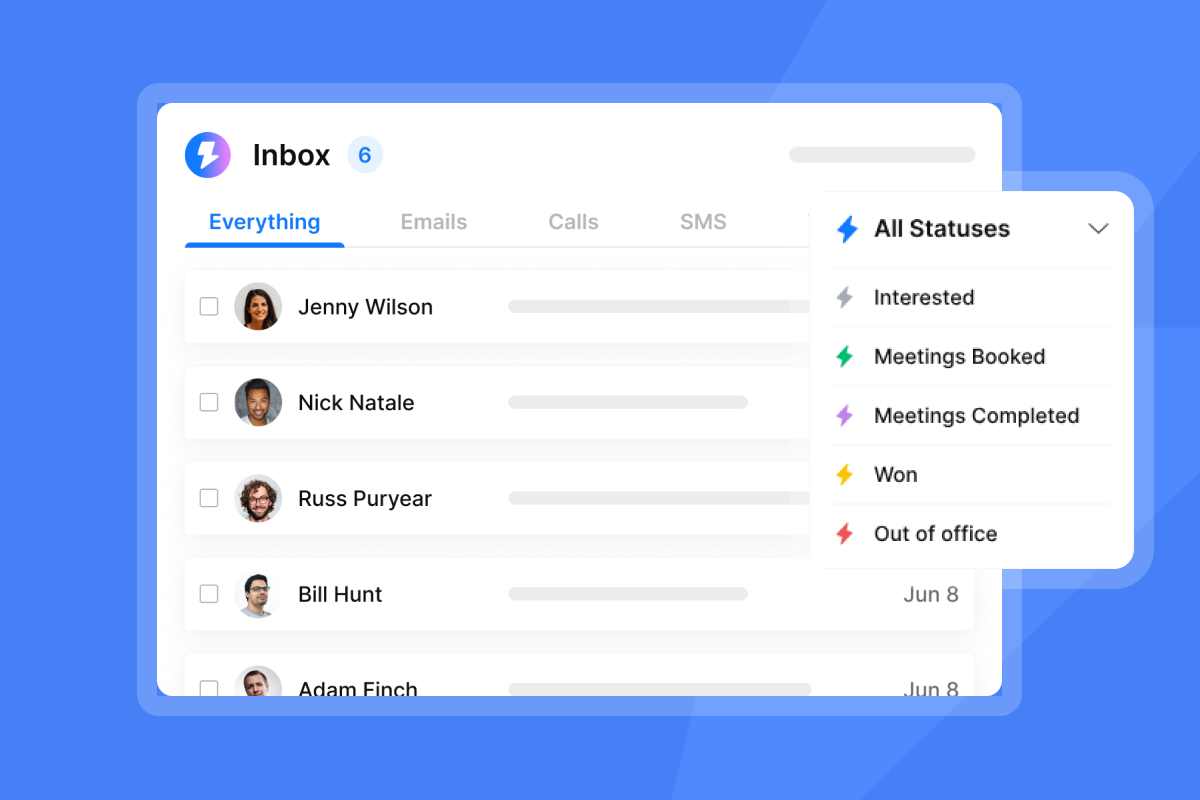
Once your campaigns run, the Unibox becomes your primary tool for managing replies at scale. Every reply across all active campaigns flows into a single inbox where Instantly's AI Custom Reply Labels automatically classify the intent behind each message.
The classification engine uses NLP sentiment analysis to detect intent across 50+ languages, then applies the appropriate label. Out-of-office messages receive a pause and an automatic resume date. Unsubscribes trigger removal from all active sequences. Replies indicating active interest, a referral, or a meeting request get flagged for immediate rep action.
Instantly surfaces the high-intent replies directly, one of the jobs handled by Instantly's AI agents. Reps do not scroll through 40 messages to find the two worth calling back. Unmanaged reply volume causes deliverability damage beyond just inbox clutter.
How AI BDR refines lead scoring
Real-time reply sentiment feeds back into the lead score dynamically. For example, a lead that opens three emails and replies with a clarifying question scores higher than an identical firmographic profile that has never engaged. A lead clicking your pricing link signals a different buying stage than one clicking only product overview links.
This dynamic model prevents pipeline stagnation. Instead of a lead sitting at the same score for 90 days, their score reflects actual engagement history, keeping routing decisions current and preventing reps from investing time in prospects who have cooled off.
Automating lifecycle stage scoring
AI-detected intent signals also drive automatic CRM stage updates. This automation removes a common source of CRM data degradation: reps forgetting to update stage fields manually, the kind of process gap covered in Instantly's guide to AI BDR security and compliance. The lead record reflects real activity, not what someone remembered to log.
Automating lead assignment and workflow rules
Lead routing is where scoring models either pay off or collapse. A precise score means nothing if the lead sits in the wrong campaign for two weeks before anyone acts on it. Automated workflow rules assign leads to the right rep and the right sequence the moment they cross their configured routing thresholds, a capability worth verifying against Instantly's guide on how to choose an AI BDR tool.
Automating segmented lead routing
With a unified score in place, routing rules segment leads into three lanes automatically:
- High-score leads (75+): Route directly to AE pipeline for live demo scheduling. Using Instantly's native integrations, you can configure workflows to create HubSpot deals and assign leads to the correct rep based on the territory or vertical rules you define.
- Mid-score leads (60-74): Enroll in a longer nurture sequence. Monitor engagement data and re-route when the score crosses 75.
- Low-score leads (below 60): Remove from active campaigns. Flag for data enrichment review or remove from active pipeline until your next scheduled ICP scoring review surfaces a funding event or executive hire. Your AEs only receive leads that are both a strong fit and showing active intent. For teams using Pipedrive, Instantly's Make.com automation recipe handles this routing handoff automatically.
Managing throughput for SDR teams
Deliverability is a system, not a setting. Scaling send volume without managing infrastructure causes domain reputation damage that kills monthly targets faster than any other variable. Enterprise sales teams coordinating multiple reps face this risk at even greater scale.
The hard limit is 30 emails per single inbox per day. Sudden volume spikes and consistently high send rates from a single inbox raise complaint rates and signal irregular behavior to email providers, increasing the risk of spam filtering and domain reputation damage. The solution is not to send fewer emails total. It is to distribute volume across more inboxes, each operating within safe limits.
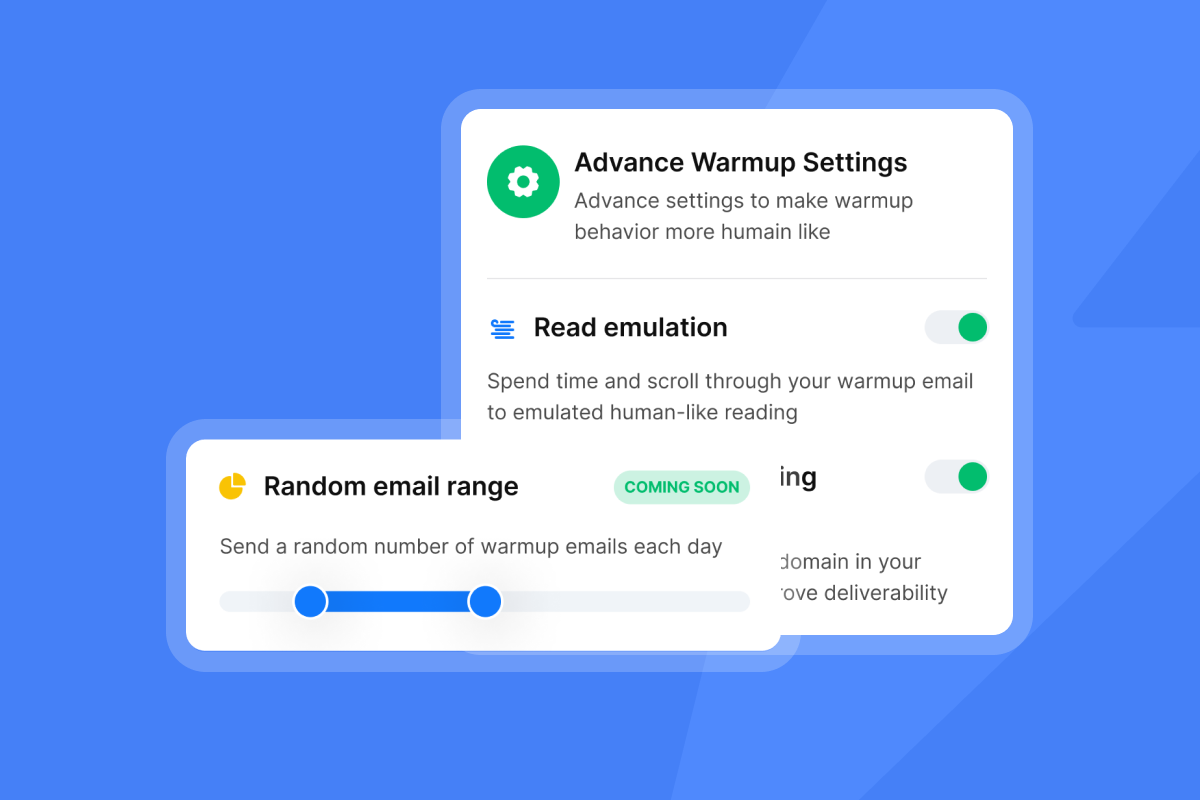
Instantly's warmup system runs automatically across unlimited email accounts on all plans, simulating natural engagement within its private deliverability network of 4.2M+ real email accounts. Before launching any new inbox into a live campaign, allow a minimum of 30 days for warmup, with 4-6 weeks as the recommended range for new domains. Daily sends ramp gradually throughout that period. You can see how rotating IP algorithms interact with deliverability and why consistent send patterns matter.
Instantly's Deliverability AI Agent, available on Hypergrowth and above, runs a 24-hour monitoring cycle across DNS health, blocklist status, warmup scores, and bounce rates, surfacing issues before they affect active campaigns. For high-volume teams, the Light Speed plan adds SISR technology (Server and IP Sharding and Rotation), which distributes sends across dedicated IP pools so a single IP issue cannot interrupt an entire campaign.
Automating prospect data verification
Hard bounces are the fastest way to destroy sender reputation at scale. When your bounce rate climbs above 2%, major email providers begin to penalize your sending domain progressively, and recovery requires weeks of reduced volume and re-warmup cycles. Instantly's 2026 email verification benchmark shows that verification accuracy varies by tool, with top performers reaching 95%+ and budget options ranging lower, making the choice of verification method a direct deliverability variable.
Instantly's lead verification applies the same waterfall enrichment logic documented in SuperSearch: querying multiple providers in sequence until a verified result is returned or the lead is marked as risky. The result is a verified list with hard bounces consistently below the 1% threshold before any campaign launches.
Verification workflow before campaign launch:
- Build your filtered list in SuperSearch.
- Run verification via Instantly Credits (0.25 credits per lead) before exporting to a campaign.
- Remove all contacts marked as "Risky" or "Invalid."
- Confirm your verified list targets a hard bounce rate below 1% before activating sends.
"Instantly makes cold outreach operationally simple at scale. The interface is straightforward, setting up campaigns with multiple inboxes is fast, and the warm-up system helps maintain deliverability when sending higher volumes. It is especially useful for testing messaging, running A/B experiments, and managing several email accounts from one dashboard." - Ivar S. on G2
Boosting pipeline velocity with AI
Faster qualification compresses the entire sales cycle. When every lead entering your pipeline has passed ICP scoring, intent validation, and data verification, the average time from first contact to booked meeting drops because reps are not running discovery calls on contacts that should have been filtered out in week one.
Optimizing meeting to SQL handoffs
The meeting-to-SQL handoff is where pipeline velocity either accelerates or stalls. When an SDR books a meeting with a verified, high-intent lead who matches the ICP on every dimension, the AE runs discovery with full context: the contact's firmographic profile, engagement history, and any intent signals the AI detected.
Instantly's native HubSpot integration automates this handoff. When a lead reaches "Meeting Booked" status in Unibox, the integration creates or updates the corresponding HubSpot contact record, logs engagement history, and triggers an AE notification with no manual data entry and no context loss between SDR and AE. Teams using Pipedrive can also import leads directly and maintain sync across the pipeline.
Improving lead accuracy with AI scoring
Instantly's 2026 Cold Email Benchmark Report (data from January 1 to December 18, 2025, across billions of emails) puts the platform average reply rate at 3.43%. Top-quartile senders reach 5.5%+. The top 10% exceed 10.7%.
The difference between average and top-quartile performance is not copy quality. It is process consistency. Consistent, stable sending patterns produce 15-20% higher reply rates compared to irregular sending. That consistency comes from building the right qualification and deliverability infrastructure. Accurate lead scoring contributes directly by ensuring you only contact prospects where your offer resonates.
Driving faster close rates with AI
When AEs only speak to buyers with verified fit and active intent, the average sales cycle shortens because qualification discovery is already done. The AE is not spending the first two calls determining whether the company has budget or the right use case. That information came through the scoring model before the lead ever reached the pipeline.
Track the average days from "Meeting Booked" to "Closed Won" before and after implementing AI BDR qualification. That delta is your velocity gain.
Standardizing your AI lead qualification process
Building a repeatable AI lead qualification process requires four sequential steps: defining your ICP in measurable terms, connecting verified data sources, configuring scoring rules with numerical thresholds, and calibrating those rules monthly against actual revenue outcomes. Walk through each step in order to move from manual, inconsistent qualification to a system that scales with your outbound volume. For the wider rollout, see our guide on how to implement an AI BDR.
Map ICP attributes for AI scoring
Step 1: Pull your last 12 months of closed-won accounts from CRM. Identify the 5-7 firmographic and technographic attributes that appeared in more than 70% of those accounts. Document them with specific, measurable definitions: "mid-market" must carry a headcount range like 50-500, not just a label.
Sync external data for better leads
Step 2: Connect SuperSearch as your primary lead source and configure ICP filters to match the attributes from Step 1. Build an initial verified contact list before running any live outbound. Use Instantly's secondary sending domains strategy to protect your primary domain during early scaling.
Configure AI lead scoring thresholds
Step 3: Assign numerical weights to each ICP attribute using closed-won data as your reference. Set three routing thresholds: active outbound, nurture, and archive. Build the corresponding workflow rules in Instantly to trigger campaign enrollment automatically when a lead crosses the active threshold.
Optimize AI lead scoring accuracy
Step 4: Schedule a monthly scoring review as a recurring calendar event. Pull closed-won and closed-lost data from CRM and compare the ICP scores those contacts received at first outreach. Adjust weights where high-scoring leads converted at lower rates than expected and increase weights for attributes consistently present in closed-won accounts. This calibration is what separates a scoring model that improves over time from one that decays into vibe-based qualification.
Key takeaways for AI BDR lead qualification
The core operational requirements for a successful AI BDR setup come down to four commitments: clean data, calibrated scoring, controlled throughput, and human oversight at the right decision points.
"I've been using Instantly.ai for about 4 months, and I have never had an issue with using their features or a challenge with customer support. It has everything needed for sending personalized cold outreach campaigns, with everything documented in clear SOPs and a customer support that is quick to respond and solve the issue/answer inquiry." - Yassine Raji on Trustpilot
Validating AI lead scoring metrics
AI-reported metrics are only useful if they reconcile with your CRM, which depends on a clean AI BDR and CRM integration. Establish a weekly audit workflow:
- Compare AI Custom Reply Labels counts in Unibox against CRM stage records.
- Confirm every reply labeled "Interested" corresponds to an open opportunity in CRM.
- Verify "Not Interested" labels map to "Closed Lost" records.
- If open rates reported in Instantly differ from HubSpot activity logs, confirm open tracking is enabled in campaign settings and that the HubSpot sync runs bidirectionally.
Evaluating AI BDR data source reliability
Single-source B2B databases age quickly. People change jobs, companies merge, and email formats update. Waterfall enrichment addresses this by querying multiple providers sequentially until a verified contact is found or the lead is marked undeliverable. Instantly's SuperSearch runs waterfall enrichment across 5+ providers, which means contact accuracy is maintained even when individual providers have stale records. The impact shows directly in your bounce rate: a verified list built through waterfall enrichment should produce hard bounces well below the 1% threshold.
The role of human oversight in AI BDR
Autonomous AI removes human effort from low-value, repetitive tasks so your judgment is available where it actually matters.
For reply handling, Instantly's AI Reply Agent offers two operating modes. Human-in-the-Loop (HITL) mode drafts replies and holds them for rep review before sending, appropriate for high-value prospects or accounts with strict brand messaging requirements. Autopilot mode sends replies automatically when confidence is high and pauses for review when it is not. For new campaigns or senior-level prospect sequences, start with HITL. Once you verify that drafted replies meet your quality standards across 20-30 samples, you can selectively move lower-stakes sequences to Autopilot. This is how agencies managing strict brand guidelines phase in AI reply automation safely.
Sales Leader's Governance Checklist:
- ICP attributes documented with specific, measurable definitions (not vague labels)
- Scoring weights assigned based on closed-won data, not assumptions
- Monthly calibration review scheduled as a recurring calendar event
- All active email accounts warmed at least 4 weeks before campaign launch
- Daily send volume capped at 30 emails per single inbox
- Lead verification run before each campaign launch (target: below 1% hard bounce rate)
- AI Reply Agent configured in HITL mode for senior-level prospect sequences and new campaigns until reply quality is confirmed across 20-30 samples
Manual vs. AI BDR lead qualification
Factor | Manual qualification | AI BDR qualification |
|---|---|---|
Scoring consistency | Applied manually per rep, without enforced weighting criteria | Rule-based scoring applied consistently, regardless of which rep sourced the lead |
Data sources | Sourced manually, typically without systematic cross-checking across multiple providers | Waterfall enrichment, 5+ providers |
Qualification process | Slower manual review | Faster automated workflow |
Bounce prevention | Post-send detection | Pre-send verification (strong accuracy) |
Reply classification | Reviewed and sorted by reps, without automated intent detection | NLP auto-labeling, 50+ languages |
CRM update | Updated by reps, without automated triggers or integration sync | Automated via integration |
Cost model | Legacy sales engagement platforms (Outreach, Salesloft) typically price per user seat, so cost scales directly with headcount | Flat-fee, unlimited accounts |
Instantly outreach pricing
Plan | Monthly price | Annual equivalent | Key features |
|---|---|---|---|
Growth | $47/mo | $37.60/mo | Unlimited accounts, warmup, A/Z testing, AI Sequence Writer |
Hypergrowth | $97/mo | $77.60/mo | All Growth features plus Deliverability AI Agent |
Light Speed | $358/mo | $286.30/mo | All Hypergrowth features plus SISR dedicated IP pools |
All plans include unlimited email accounts and unlimited warmup. Unlike per-seat platforms where cost compounds with headcount, Instantly's flat-fee model means small and startup sales teams pay the same monthly rate as fifty-person teams on any given tier.
Start with a 14-day free trial (no credit card required) to run SuperSearch, test your ICP filters, and verify your first list before scaling. Try Instantly free and use the 2026 Cold Email Benchmark Report to set your team's reply rate targets based on what top-quartile senders actually achieve.
FAQs
What is the maximum recommended daily sending volume per email inbox?
Do not exceed 30 emails per single inbox per day to protect your sender reputation and avoid spam filters. Distribute higher total volume across multiple warmed inboxes, each operating within this safe limit.
What is the average email verification accuracy of Instantly's built-in tool?
Instantly's lead verification applies waterfall enrichment logic, querying multiple data providers in sequence to confirm deliverability before a lead enters any active campaign, targeting hard bounce rates below 1%.
How often should sales teams calibrate their AI lead scoring models?
Calibrate your scoring models monthly by comparing AI-assigned scores against closed-won and closed-lost CRM data from the prior period. Monthly calibration prevents scoring drift and keeps routing aligned with actual revenue outcomes.
What is the difference between HITL and Autopilot in the AI Reply Agent?
Human-in-the-Loop mode drafts replies and holds them for rep approval before sending, while Autopilot mode sends automatically when the agent is confident and pauses for review on uncertain replies.
How does Instantly's pricing compare to per-seat sales engagement platforms?
Instantly charges a flat monthly fee with unlimited email accounts across all plans, so adding reps or inboxes does not increase your platform cost. Per-seat platforms charge per user, which means cost scales directly with headcount growth.
Key terms glossary
Primary inbox: The main email folder where legitimate, high-priority messages land, avoiding the spam or promotions folders.
Sender reputation: A score assigned by email service providers based on your sending history, bounce rates, and spam complaint volume. A damaged sender reputation reduces inbox placement rates.
Waterfall enrichment: A data retrieval process that queries multiple data providers in sequence to find and verify a prospect's contact information, falling back to the next provider if the first returns an unknown result.
SISR: Server and IP Sharding and Rotation, a deliverability technology on Instantly's Light Speed plan that distributes sends across dedicated IP pools to protect sending health at high volume.
Hard bounce: A permanent email delivery failure caused by an invalid or non-existent address. Best-in-class teams keep hard bounce rates below 1%. Rates climbing toward 2% and above are where email providers begin to increase scrutiny and apply sending penalties, making pre-send verification a critical control point.
ICP scoring: A numerical model that assigns weights to firmographic, technographic, and behavioral attributes based on their correlation with closed-won revenue, used to rank and route incoming leads automatically.
Read Next
- How to Automate Agency Lead Qualification - See how to build a repeatable lead qualification system using Instantly's AI tools, from ICP filtering to automated campaign enrollment.
- How CRM Scores B2B Leads - Understand how CRM-based lead scoring works, how to assign weights to fit attributes, and how to keep scoring models aligned with closed-won data.
- 30-Day Warmup and Hygiene System for Primary Inbox - Follow the step-by-step warmup and list hygiene system that keeps bounce rates below 1% and protects sender reputation during outbound scaling.



