.svg)
%20(1).svg)


Updated May 25, 2026
TL;DR:
Job titles are a starting point, not a guarantee of budget authority. A "VP" at a 12-person startup may have zero budget control, while a "Senior Manager" at a 500-person company may own a six-figure annual contract. True buying power depends on company size, deal value, and department structure. Map the full buying committee, including champions, economic buyers, technical buyers, and blockers, before building any outreach sequence. Tools like Instantly.ai SuperSearch let you filter 450M+ verified B2B contacts by title, management level, department, and company size, backed by a deliverability network of 4.2M+ accounts, so you find the real decision-makers faster and reach them reliably.
Most sales teams treat job titles like a roadmap, seeing "Director of Marketing" and assuming budget, or seeing "Manager" and skipping the contact entirely. Both assumptions cost pipeline. Getting to the right contact is the hardest part of outbound, and this guide breaks down how to decode job titles, identify true budget holders, and map the buying committee so your reps book more meetings with the people who actually sign contracts.
Job title vs. real buying authority
Most reps underestimate the gap between what a title says and what that person can actually approve. Real buying power comes from three things: who controls the budget line item, who owns the outcome if the purchase fails, and who has the organizational credibility to push a decision through. A title tells you none of that directly.
Forrester's State of Business Buying 2024 found that the average B2B purchase involves 13 stakeholders and that nearly 89% of buying decisions cross multiple departments. Even when you reach the "right" title, at least a dozen other people touch that decision before a contract gets signed.
The practical consequence for your team: pitching one person, regardless of their title, is a structural disadvantage. Your reps need a contact map, not a contact.
Deciphering inflated job titles
Title inflation costs reps hours of wasted effort every week. Here are three titles that consistently mislead:
- Director of Innovation: Manages a departmental sub-function with direct budget responsibility over innovation and R&D investment. This role carries real financial authority, including resource allocation and project-level budget control, making it a legitimate economic buyer candidate in many organizations. Confirm the scope of their budget authority through conversation before assuming economic buyer status.
- VP of Special Projects: May indicate transitional assignments. Confirm purchasing authority through discovery before treating them as an economic buyer.
- Manager without direct reports: Not all Manager titles include people management. These contacts may influence a decision but often lack direct budget control.
The rule of thumb: if a title includes words like "innovation" or "special projects," treat it as an influence role until you verify otherwise through conversation.
Identifying true budget holders
Build a profile-based approach instead of relying on titles alone. Before outreach, analyze three data points for every target account:
- Company revenue and headcount: In smaller companies, founders and CEOs tend to control most major spending decisions, with fewer formal approval layers between a buying decision and a signature. As companies scale, spending decisions tend to involve more people across departments, though the degree to which budget authority shifts away from founders varies by organization and growth stage.
- Department and function: Budget control for sales tools usually sits with the Head of Sales, VP of Revenue, or RevOps leader, not the general IT department.
- Management level: Filter for VP and above in mid-market accounts, and Director and above in enterprise accounts where VPs may still need C-suite sign-off.
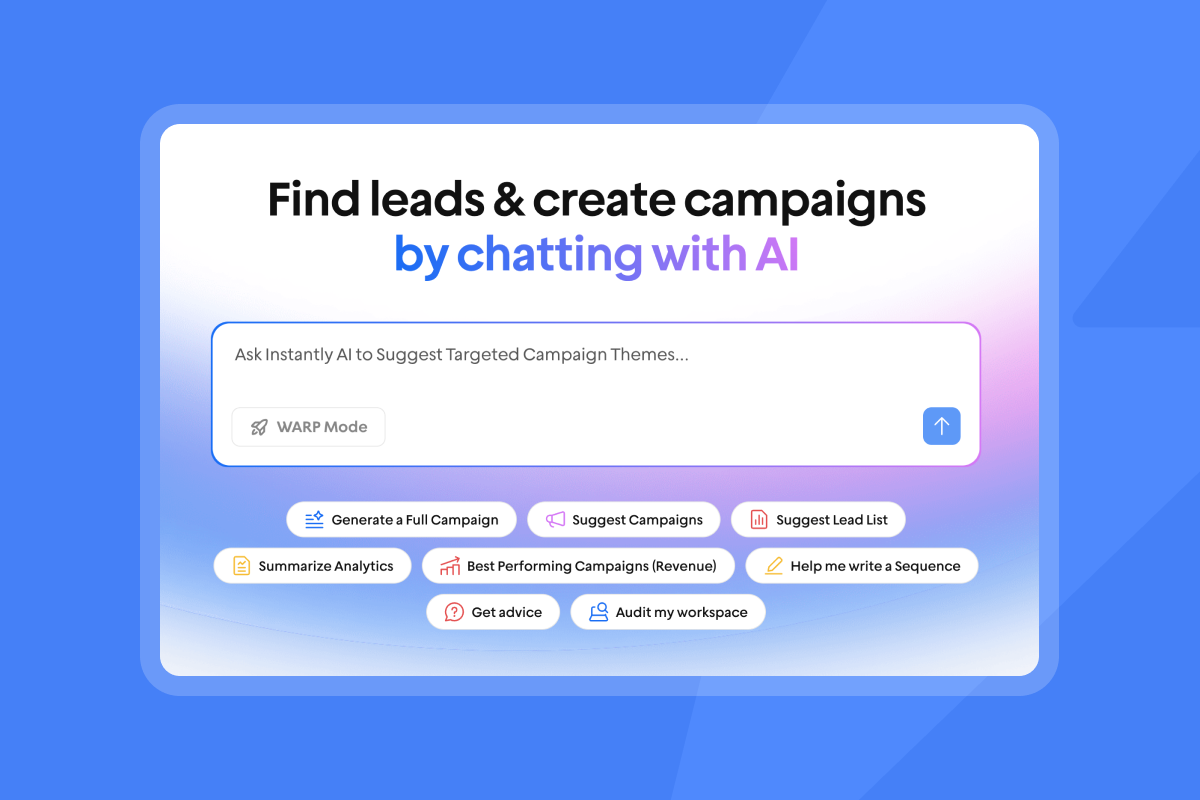
Instantly's SuperSearch filters across 450M+ verified B2B contacts by job title, management level, department, company size, and revenue simultaneously, backed by a deliverability network of 4.2M+ accounts, so your reps start with a pre-qualified list instead of manually sifting through LinkedIn profiles.
Key roles that approve budget spend
You will find five distinct roles in every B2B buying committee, and each role cares about different things.
- Champion: Your internal advocate. The champion understands the value of your solution and actively pushes for adoption. They sell for you when you're not in the room. Examples include sales enablement leaders, senior operations analysts, and department managers who will benefit from the tool.
- Economic buyer: The budget owner who approves spend. They want payback period, total cost of ownership, and trade-off analysis. Common titles: CFO, VP of Finance, CEO (in smaller companies).
- Technical buyer: Evaluates product fit and integration requirements. Common titles: CTO, Head of IT, Solution Architect, VP of Engineering.
- End user: The person who uses the tool daily. Their adoption determines whether the purchase sticks. Common titles: Operations Analyst, Marketing Analyst, Sales Operations Manager, Business Analyst, and any practitioner or team member who will interact with the tool in their daily workflow.
- Executive (large deals): Provides final approval for strategic or high-value contracts. Forrester's 2026 data shows procurement professionals now serve as decision-makers more than half the time (53%), reinforcing that procurement needs to be mapped and engaged early in any large-deal outreach.
Understanding C-suite budget holders
C-suite titles have multiplied over the past decade. Beyond the traditional CEO and CFO, you now encounter Chief Revenue Officers, Chief Digital Officers, and Chief Customer Officers, all of whom control meaningful budgets in their domain. The CRO, for example, owns the full revenue stack budget in many mid-market and enterprise companies, including sales tools, data providers, and enablement software.
Do not limit your C-suite targeting to CEO and CFO. Map the specific C-suite role that owns revenue operations in each target account. For a sales tool purchase, target the CRO or VP of Revenue as the economic buyer rather than the CEO.
Who makes VP/director decisions?
VP and Director authority varies by company size and deal value. Approval thresholds follow a general pattern across mid-market companies:
- Managers often approve smaller purchases.
- Directors often control mid-sized departmental budgets, though specific thresholds vary widely by company size, industry, and internal approval policy.
- VPs and C-suite are typically brought in for larger or more strategic purchases, though approval thresholds vary widely by organization and have shifted in recent years as companies tighten financial controls. At that scale, a VP alone rarely has the authority to sign without C-suite and procurement involvement. Target VPs and Directors as your primary champions in mid-market deals, and treat them as economic buyers only after confirming their approval threshold through discovery.
Verifying budget authority in discovery
Once you have a candidate, use the early conversation to verify authority directly. Questions that reveal the real decision structure:
- "Who else, besides yourself, will be involved in the buying decision?"
- "How are purchasing decisions typically made at your company?"
- "Who needs to sign off before moving forward on something like this?"
- "Who else should be part of this conversation so the team can evaluate it cleanly?"
That last question positions multi-threading as helpful coordination rather than pressure on your champion, which keeps your existing contact respected while giving you access to the people who control budget, timing, and final approval.
How managers and ICs influence decisions
Managers and individual contributors (ICs) rarely close deals, but they kill deals faster than any executive when they actively block evaluation. End users who dislike a tool either refuse adoption after purchase or block the evaluation process before it reaches the economic buyer.
The smarter play is to treat Managers and ICs as champion-building opportunities. Win them over early, arm them with internal talking points, and use their enthusiasm to get introductions to the economic buyer.
Who possesses the actual buying power?
To simplify targeting for your team, here are common decision-maker titles segmented by function:
- Executive/Financial: CEO, CFO, CRO, COO, Managing Director, President
- Sales/Revenue: VP of Sales, Head of Sales, VP of Revenue, Director of Sales, Head of RevOps
In enterprise accounts, VP of Sales and Head of Sales roles often sit within a broader approval structure that includes finance, legal, IT, and security, making them key influencers rather than sole budget holders. Head of RevOps typically plays a central role in vendor selection and tech stack evaluation, though final budget approval usually sits with the VP of Sales or CRO.
- Technical: CTO, VP of Engineering, Head of IT, Director of Information Systems
- Marketing: CMO, VP of Marketing, Director of Demand Generation
- Operations: VP of Operations, Chief of Staff, Head of Business Operations
Types of buyer influence roles
The champion and the economic buyer are frequently confused, and mixing them up leads to poorly targeted outreach.
The champion drives evaluation and adoption. They want a clear rollout path and want to look good for recommending the solution. The economic buyer releases funds and wants proof of payback to minimize financial risk. Per MEDDIC sales methodology, the economic buyer "may be the CFO, the CEO, or any other manager controlling a sizeable budget," and you need both roles aligned to close: the champion gets you access, and the economic buyer gets you the signature.
Identifying key purchase blockers
Three roles can veto a deal even without holding budget:
- IT security or CISO: Blocks a tool that fails their security review, regardless of how much the sales team wants it. Common in enterprise accounts with SOC 2 requirements.
- Legal and compliance: Required sign-off for data processing agreements and vendor contracts. Engaging legal late delays deals by weeks.
- Procurement: Controls vendor approval processes in large companies. Introducing yourself to procurement early prevents last-minute friction.
Map these blockers before you reach the economic buyer. If your tool processes personal data, the privacy and compliance team will be involved regardless of deal size.
Who holds contract signing power?
Contract signing authority follows financial approval thresholds and is also a legal designation. In most companies, anyone with a formal title of VP and above can sign a vendor agreement for purchases within their approval limit. Senior executives like CFOs and CEOs typically hold broader signing authority, though thresholds and co-signature requirements vary by organization, contract type, and deal size. CFOs and CEOs often sign contracts within their authority.
For your team's outreach: once you confirm the economic buyer, also confirm whether they have direct signing authority or whether legal and procurement need to co-sign. Ask during the proposal stage, not after you send the contract.

Mapping key roles across company stages
The table below maps primary budget holders, key influencers, and typical blockers by company size. Note that roles vary by purchase type and organizational structure, so treat these as starting points rather than fixed rules.
Company size | Common budget holder | Common influencer | Common blocker |
|---|---|---|---|
Seed (1-50 employees) | Founder / CEO | Technical co-founder / Early hire | Co-founder / CTO |
Mid-market (50-500) | VP of Sales, CRO, or CFO (primary holder varies by purchase type and internal structure) | Director or Senior Manager (multiple functional leaders may play this role depending on purchase type and deal complexity) | IT, Finance, or Legal (blocker role varies by purchase type and organization) |
Enterprise (500+) | SVP, C-suite, or Business Unit Head (authority is distributed across approval levels, so verify the primary holder by deal type) | VP / Department Head | Procurement / Legal / CISO |
Decision makers in seed-stage firms
In small, early-stage companies (used here to mean roughly under 50 employees), founders and early C-level executives handle all meaningful buying decisions. With fewer approval layers and no procurement gatekeepers, SMB sales cycles typically run 1 to 3 months compared to 3 to 6 months for mid-market and 6 to 12 months for enterprise. Even when you reach the right title, the decision is usually theirs to make alone.
For seed-stage accounts, pitch the CEO or co-founder directly. The champion and economic buyer are often the same person. Your outreach should lead with ROI and time-to-value, since founders are trading scarce capital and personal bandwidth on every purchase decision.
Targeting mid-market buying authority
In mid-market companies (50-500 employees), department heads and VPs often take on greater budget authority. A VP of Sales at a company in this range may have input over the sales tools budget evaluation, though the degree of CEO or CFO oversight on any given purchase depends on the deal size, company culture, and internal approval thresholds.
Multi-threading becomes essential here. The VP of Sales is your economic buyer, the RevOps Manager is your champion, and the IT Director is your likely technical reviewer. All three need attention in your outreach sequence.
Enterprise buying authority roles
Enterprise companies (500+ employees) distribute buying authority across a matrix of procurement, department heads, and C-suite executives. A single deal may require sign-off from the VP of Sales (champion), CFO (economic buyer), CISO (security review), Legal (contract approval), and Procurement (vendor onboarding).
Running a single-threaded campaign at this company size is not a strategy but a guaranteed stall.
Uncover industry-specific buying roles
Different industries use unique titles for the same budget authority. Understanding vertical-specific nomenclature improves targeting precision:
- Technology companies: CTO or VP of Engineering for developer tools and infrastructure, VP of Revenue or CRO for the sales stack, and Head of RevOps often plays a central role in evaluating revenue operations tooling, though final budget authority typically sits with the CRO or VP of Revenue. Selling to a tech startup often involves the CTO, VP of Product, and CEO simultaneously.
- Financial services: Chief Compliance Officer blocks tools with regulatory exposure, Managing Director holds budget in investment banking and asset management firms, and senior operations or finance leaders often control vendor spend. Procurement and legal sign-off are near-universal for any SaaS tool processing client data.
- Healthcare organizations: CEO and CFO hold final approval on capital expenditures, Chief Medical Officer or Chief Nursing Officer route clinical technology decisions, and Chief Digital Officer or CIO controls technology-driven initiatives in larger health systems. Procurement heads are often the first gatekeeper and typically require vendor compliance documentation before a demo.
Target key roles for efficient outreach
Understanding titles is only half the job, because the other half is building a targeted list and launching a campaign that reaches the right people at each account simultaneously.
Instantly's SuperSearch filters across 450M+ verified B2B contacts by job title, management level, department, industry, company size, revenue, and location, backed by a deliverability network of 4.2M+ accounts so your outreach reaches the inbox once you have the right contact. The result is a lead list built around actual buying authority rather than keyword matches on a name.
The cold email deliverability checklist walks through authentication setup, warmup timelines, and health monitoring to protect sender reputation at scale. For teams running account-based campaigns, the account-based selling guide covers how to coordinate multi-contact outreach across target accounts. The email warmup best practices article details ramp schedules and health metrics to prepare new sending domains.
Map your ICP to decision maker titles
Your Ideal Customer Profile defines the company. Your decision-maker title map defines the person. To connect them:
- Start with your best closed-won accounts. Pull the titles of everyone involved in signing the deal. Patterns by company size and industry will emerge.
- Segment by deal size. Smaller deals likely closed with a Director. Larger deals required VP or C-suite involvement.
- Build two lists: a primary target list for economic buyers and a secondary list for influencers. The primary list gets direct economic buyer messaging. The secondary list gets champion-building content focused on day-to-day outcomes.
The B2B email list pricing guide from Instantly covers how to calculate the true cost per verified contact as you build these lists, which matters when filtering against a 450M-record database.
Multi-threading across buying committee
Multi-threading means running parallel outreach sequences to multiple decision makers at the same account. In practice, mid-market deals tend to involve a handful of engaged stakeholders, while enterprise deals draw in significantly more, and research shows that 46% of top-performing sellers maintain active relationships with seven or more decision makers in their top accounts. Legacy platforms that charge per mailbox make this expensive fast, but Instantly's unlimited email accounts on all outreach plans let your team run sequences to a VP of Sales, a RevOps Director, a CFO, an IT lead, a Head of Legal, and a Procurement Manager at the same company without hitting daily send limits or incurring extra per-seat costs.
For deliverability best practices when running parallel sequences, the email deliverability for sequences guide covers warmup, health monitoring, and authentication requirements that protect your sender reputation across accounts.
When to target influencers first
A bottom-up approach works when end users have strong influence over the economic buyer, which is common in product-led companies and developer tool sales. The playbook: identify end users across different roles and levels (engineers, analysts, or practitioners who will use the tool), prioritizing breadth of coverage since research indicates more contacts across functions increases your odds of surfacing a strong champion. Run a champion-building sequence focused on daily time savings, and ask each one to introduce you to their manager once they see value. This reduces the cold introduction risk with the economic buyer because your champion has already validated the product internally.

Overcoming prospect identification hurdles
Outdated org charts and stale contact data block accurate decision-maker targeting more than any other factor. A company that was 80 people in January may have reorganized by Q3, with titles shifting, reporting structures changing, and last quarter's VP gone.
Pinpointing the ultimate budget holder
Three tactics that work without a research team:
- Track funding announcements and executive hires: New VP of Sales hires and funding rounds signal a company is in buying mode and that new decision makers are evaluating tools.
- Filter LinkedIn by department and seniority: Use LinkedIn's "People" tab, then cross-reference findings against a verified lead database to confirm current employment and contact data.
- Ask your champion directly: The most reliable way to find the economic buyer is to ask your existing contact: "Who owns the budget for this decision?"
What's the typical buying committee size?
According to Gartner's The New B2B Buying Journey, the average B2B buying committee involves 6 to 10 decision makers. Forrester's 2024 data puts the average higher at 13 stakeholders per purchase, with 89% of decisions crossing multiple departments. For larger deals, stakeholder counts typically increase further.
Single-threaded outreach to one contact at a mid-market or enterprise account is not a volume problem. It is a structural problem, and your campaign architecture needs to account for a committee from the start.
How job titles differ by company size
A title is always context-dependent. A VP at a seed-stage startup may be a founding team member with zero reports and no discretionary budget, while a Manager at a 2,000-person enterprise controls a substantial software budget for an entire division.
Pitch the CEO at startups. Pitch VPs and Directors at mid-market. Build a full committee map for enterprise. Adjust your outreach sequence, your copy tone, and your proof points for each stage because the person reading your email at each company size has different pressures, different approval thresholds, and different definitions of a successful outcome.
The most effective teams do not debate which single title to target. They build a contact map, run parallel sequences with role-appropriate messaging, and let replies from the committee surface the actual decision maker because that approach is repeatable while guessing at titles is not.
Use Instantly's SuperSearch to filter the exact titles, management levels, and company profiles that match your ICP. Build your buying committee list in minutes, launch unlimited multi-threaded sequences across every contact at each account, and pay the same price regardless of how many inboxes you run. Start for free and build your first buying committee list today.
FAQs
What job titles are considered decision makers in B2B sales?
True decision makers are contacts who control budget or hold final contract signing authority: CEO, CFO, CRO, VP of Sales, Managing Director, and equivalent C-suite or senior VP roles. The specific title varies by company size, with founders controlling budget at seed-stage companies and VPs or SVPs owning it in mid-market firms.
How many decision makers are typically involved in a B2B purchase?
Gartner reports 6 to 10 decision makers in a typical buying committee, while Forrester's 2024 data puts the average at 13 stakeholders with 89% of decisions crossing multiple departments. For larger or more complex enterprise deals, stakeholder counts tend to increase beyond those averages, though no single figure applies universally across deal sizes or industries.
What's the difference between a champion and an economic buyer?
A champion is your internal advocate who pushes for adoption and sells for you internally, while the economic buyer is the budget holder who approves the spend and wants proof of payback and total cost of ownership. You need both to close a deal: the champion gets you access and the economic buyer gives you the signature.
At what deal size does C-suite approval typically become required?
Many mid-market companies require C-suite approval for larger strategic deals, though specific thresholds vary by organization. A general framework suggests Managers approving smaller purchases, Directors handling mid-sized budgets, and VPs or C-suite reviewing larger strategic investments.
How do I find the right decision maker title without manually researching every account?
Use a lead database like Instantly's SuperSearch with filters for job title, management level, department, company size, and revenue. This builds a verified contact list of actual budget holders across 450M+ B2B contacts without manual LinkedIn research for each account.
Key terms glossary
Economic buyer: The person who controls the budget and must approve a purchase. They are not always the most senior person in the room, but by definition they are the one with the authority to release funds and approve the spend.
Champion: An internal advocate at a prospect account who believes in your solution and pushes for its adoption internally, often acting as your primary point of contact throughout the sales cycle.
Multi-threading: The practice of running parallel outreach sequences to multiple stakeholders at the same account simultaneously, covering economic buyers, champions, technical buyers, and end users.
Buying committee: The group of stakeholders across departments who collectively influence or approve a B2B purchase decision, typically ranging from 6 to 13 people depending on deal complexity.
Technical buyer: A stakeholder, often in IT or engineering, who evaluates the product's technical compatibility and integration requirements before approval is granted.
Title inflation: The gap between a job title that sounds senior and the actual budget authority or organizational influence that person holds. Most common in early-stage companies with non-standard naming conventions.
Read Next
- How to Write a Cold Email That Gets Replies: A step-by-step breakdown of subject lines, openers, and CTAs that drive replies from cold prospects.
- B2B Prospecting: How to Build a Pipeline From Scratch: How to identify, qualify, and contact the right accounts when you are starting with an empty pipeline.
- Cold Email Subject Lines: What Works and What Doesn't: A data-backed look at which subject line formats improve open rates and which patterns consistently hurt deliverability.



