.svg)
%20(1).svg)


Updated July 23, 2026
TL;DR: Most sales leaders evaluate outbound software by the advertised seat price and miss the real cost drivers: per-mailbox fees, credit expiration, warmup tools sold separately, and auto-renewal traps. As an illustrative example, a 10-rep team on a per-seat platform at $119 per user per month on annual billing, or $149 per user per month billed monthly (Apollo's Organization tier) pays $14,280 annually in licensing alone on annual billing, before adding infrastructure, data, and verification. A flat-fee platform like Instantly.ai covers the same team on a Hypergrowth plan at $931.20 per year on annual billing. This guide breaks down every cost layer so you can build an accurate outbound budget and avoid billing surprises.
Adding more sales reps should grow your pipeline, not double your cold email software bill. Yet traditional outbound sales software pricing charges extra for every new rep, every new sending account, and every secondary domain you add to protect your primary reputation. This guide exposes the real cost structure behind sales engagement platforms, shows you how to model total cost of ownership for a scaling team, and gives you a practical checklist to avoid the billing traps that inflate outbound budgets without warning.
This guide applies whether you're a founder running outbound solo, a sales leader managing an SDR team, or an agency operator scaling across multiple clients.
Evaluating cold email platform cost structures
The advertised price of a cold email platform cost is rarely what you end up paying. Most platforms layer fees across four distinct categories: the base subscription, per-seat charges, data and credit purchases, and deliverability infrastructure. How those layers combine determines your true monthly spend.
Two pricing architectures dominate the market today. The first is per-seat or per-user licensing, common among legacy enterprise suites. The second is flat-fee, volume-based pricing, used by modern platforms like Instantly. The distinction is not cosmetic, because it determines how your software costs scale as your team grows, whether you add two reps or twenty.
Instantly's 2026 benchmark report analyzed billions of interactions across thousands of active workspaces and found the platform average reply rate sits at 3.43%, with top-quartile senders reaching 5.5% and the top 10% hitting 10.7% or higher. Consistent, stable sending patterns produce 15-20% higher replies than erratic ones. Reaching those numbers requires infrastructure, and infrastructure costs money. Understanding where those costs live in your contract is the first step to building an accurate budget.
For a deeper look at how cold email deliverability impacts your results, or how to structure effective cold email sequences, the Instantly blog covers the technical and strategic foundations that make outbound campaigns work at scale.
Managing costs per sales rep
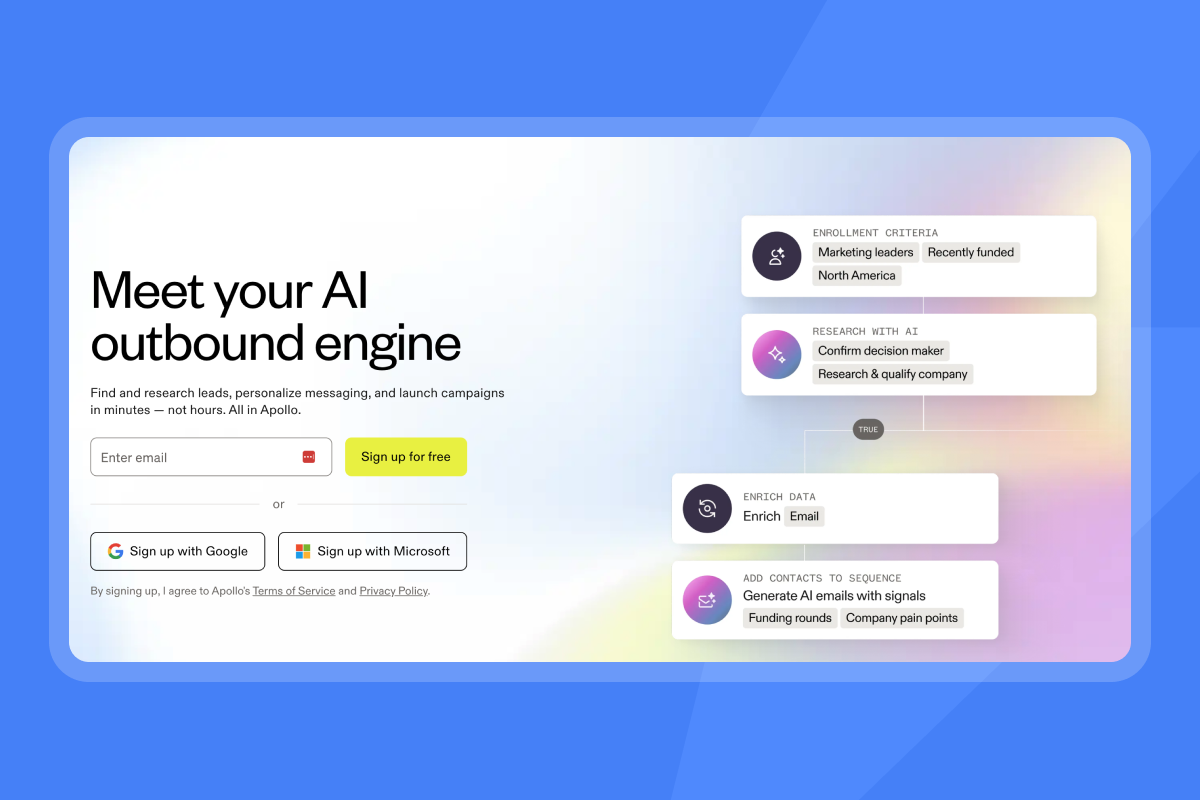
Per-seat pricing creates a "growth tax": every time you add a rep, your software cost increases linearly. At Apollo's Organization tier, each seat costs $119 per month on annual billing ($149 per month billed monthly), with a 3-seat minimum on the Organization tier. A 10-rep outbound team on annual billing pays $1,190 per month in licensing, or $14,280 per year, before any data credits, warmup, or enrichment. Scale to 15 reps and that figure jumps to $21,420 per year, a 50% cost increase for a 50% headcount increase.
Flat-fee platforms like Instantly charge for email volume, not users. Every paid Instantly Outreach plan includes unlimited email accounts and warmup across all tiers. The free trial is limited to 2 email accounts. A 10-rep team and a 3-rep team pay the same subscription if they operate within the same sending tier.
The table below models a 10-rep outbound team on each model at scale:
Cost component | Per-seat model ($119/user/mo annual) | Instantly Hypergrowth ($77.60/mo annual) |
|---|---|---|
Base subscription (annual) | $14,280 | $931.20 |
Additional mailboxes | Unlimited Gmail and Microsoft mailboxes per rep, but adding a rep means adding another paid seat at $119/month | Included |
Warmup tools | Included on Apollo's Organization plan (Deliverability Suite and email warmup) | Included |
Email verification | Built-in 7-step verification with 91% accuracy rate | Via Instantly Credits |
Data credits | 72,000 credits per seat per year, granted upfront (Apollo's Organization plan), unused credits do not roll over | Instantly Credits (from $9/mo) |
The Instantly Credits tier you select determines your data and AI agent costs. Billed monthly, that ranges from $108/year on Nano to $2,364/year on Hyper Credits. On annual billing, those figures drop to $97.20/year on Nano and $2,127.60/year on Hyper Credits. You add that to the base Outreach subscription based on your team's lead generation volume.
Managing contact and message credits
Data credits are the second major cost layer. Platforms that charge for lead lookups, email enrichment, and contact verification typically run separate credit pools from the base subscription. Apollo uses a use-it-or-lose-it model where unused credits expire at the end of each billing cycle with no rollover.
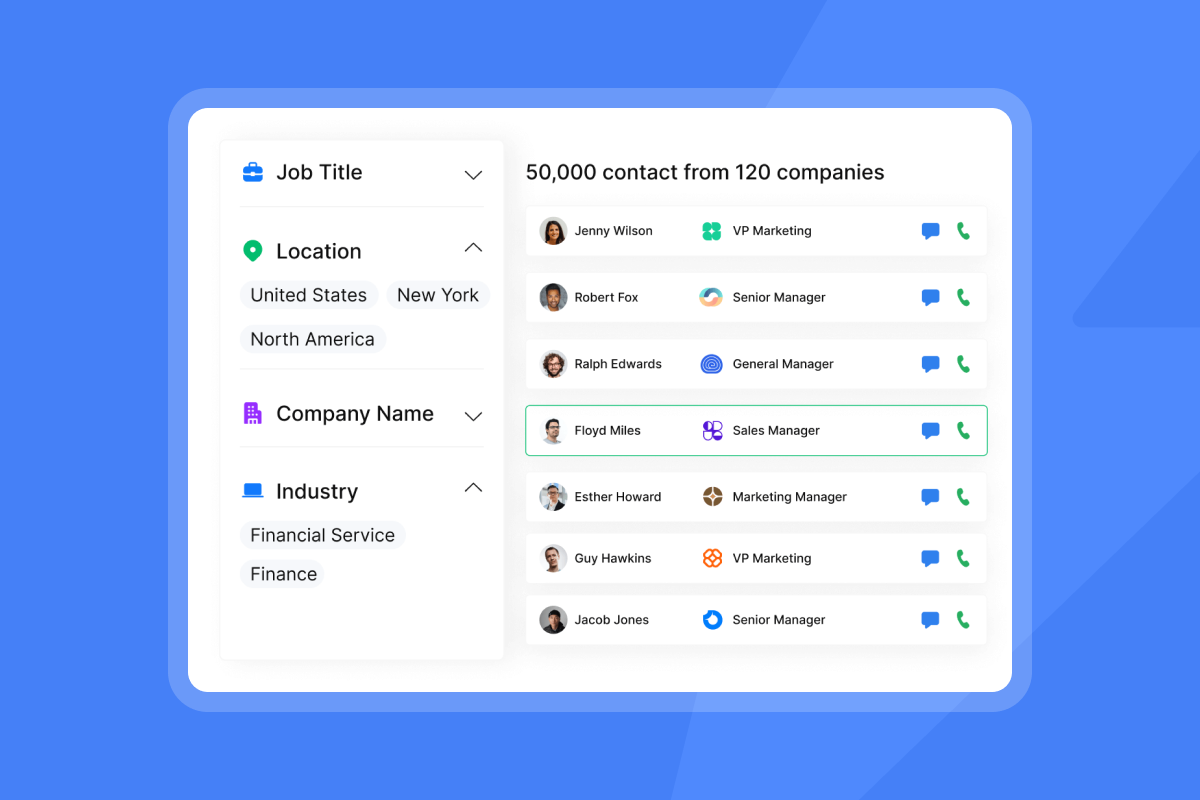
Instantly Credits is a single credit pool that powers SuperSearch lead lookups, the AI Reply Agent, the AI Sales Agent, and Copilot. It runs as a separate subscription from the Instantly Outreach plan. Tiers start at $9 per month for 150 credits on Nano, $47 per month for 1,500 credits on Growth, and $97 per month for 5,000 credits on Supersonic. Hyper Credits tiers run from $197 per month for 10,000 credits up to $1,700 per month for 200,000 credits for high-volume teams, with an Enterprise tier available for 200,000+ credits at custom pricing. Because the pool is shared across all agents, you allocate based on your actual usage mix rather than buying separate subscriptions for each capability. Understanding the rollover policy of any credit-based system before signing prevents budget leakage.
Flat fees vs usage-based billing
The pricing architecture comparison below shows how the two models differ across the dimensions that matter most to a scaling sales team:
Factor | Per-seat (enterprise) | Flat-fee / unlimited mailbox |
|---|---|---|
Cost impact of adding a rep | Varies by vendor, confirm per-seat rate in your contract before adding headcount | $0 |
Mailbox limits | Unlimited Gmail and Microsoft mailboxes per rep (Apollo's Organization plan), scaling the team requires adding paid seats | Unlimited (all Instantly tiers) |
Warmup included | Rarely | Yes, all Instantly tiers |
Annual contract required | Usually mandatory | Monthly or annual available |
Implementation fees | Often required, costs vary widely by vendor and contract, confirm in writing before signing | None |
Choosing between annual and rolling payment plans
Annual plans offer lower monthly rates. Instantly's Outreach Growth plan drops from $47 per month to $37.60 per month on annual billing, a 20% discount. Hypergrowth goes from $97 to $77.60, and Light Speed from $358 to $286.30. The decision depends on how confident you are in the tool and how flexible your budget needs to be.
Evaluating financial vs usage control
Monthly plans cost more per period but give you the ability to adjust spend when campaign volume shifts. If you run heavy outbound in Q1 and Q3 and go quiet in Q2, a monthly plan lets you downgrade or pause. Annual plans lock you into peak-volume pricing for 12 months regardless of actual usage. For seasonal outbound programs or teams still validating their ICP, monthly billing preserves optionality at a manageable premium.
Warning signs of predatory pricing
Auto-renew clauses are standard in most software contracts, and renewal dates are easy to miss without a system to track them. That combination allows vendors to silently increase prices without triggering a re-evaluation. The warning signs to flag before signing include: notice periods for cancellation exceeding 60 days, auto-renewal clauses that activate without an email reminder, and contract language that may restrict seat adjustments mid-term. Always confirm your exact rights in writing before signing any annual contract.
Managing ROI on yearly seat licenses
If you do commit to annual billing, assign seats only to active senders. Paying for dormant accounts or reps still in onboarding is a direct budget leak. On flat-fee platforms this is irrelevant since you pay for volume, not users. On per-seat platforms, audit your seat utilization quarterly and align renewals to headcount plans, not the vendor's default auto-renewal date.

Beyond base seats: uncovering additive platform costs
The line-item list below represents costs that appear outside the base subscription but compound your total outbound spend, and most sales leaders discover these only after the first invoice lands.
Contact enrichment and verification fees
Email verification is non-negotiable for list hygiene. Keeping bounces at or below 1% protects sender reputation and prevents inbox providers from throttling your domains. Standalone verification tools like ZeroBounce offer pay-as-you-go credits starting at $39 for a one-time block of 2,000 credits (the minimum purchase), or a ZeroBounce ONE™ subscription at $99 per month for a minimum of 10,000 credits, with unused credits rolling over each month, and NeverBounce starts at $8 for 1,000 credits (one-time purchase, $0.008 per email), though mid-volume needs can push costs higher depending on contact volume.
When you bundle enrichment and verification into your data subscription (as with Instantly Credits powering SuperSearch and its 450M+ B2B lead database), you avoid stacking a separate line item. The cold email copywriting framework in Instantly's help center also covers how clean data translates directly to reply rate improvement.
Avoiding costly monthly overage fees
Sending caps matter. Check your plan's documented limits on the pricing page, as caps vary by tier and may change. On Hypergrowth and Light Speed plans, an add-on at $87 per month adds 25,000 uploaded contacts and 125,000 additional sends. Add-ons are stackable if you need more. Note that the uploaded contacts limit is a fixed ceiling, not a monthly reset, so factor your total list size into your plan choice, not just monthly send volume. Enterprise platforms typically bury overage rates in the contract's schedule of fees, making budget forecasting harder.
Pricing for advanced API access
API access lets you connect your outbound tool to custom internal databases, HubSpot CRM, or Zapier workflows. Instantly's API v2 and webhooks are available without an additional fee on paid plans.
Hidden costs of premium support tiers
Enterprise platforms commonly sell priority support as a paid add-on or restrict fast response times to the top tier. Instantly includes responsive support across plans, which users note directly:
"Pricing is also fair tbh... their support is also good and super reactive." - Verified user review of Instantly
When evaluating platforms, ask specifically what the SLA is for your plan tier and whether escalation paths are documented before you sign.
Email warmup and domain billing
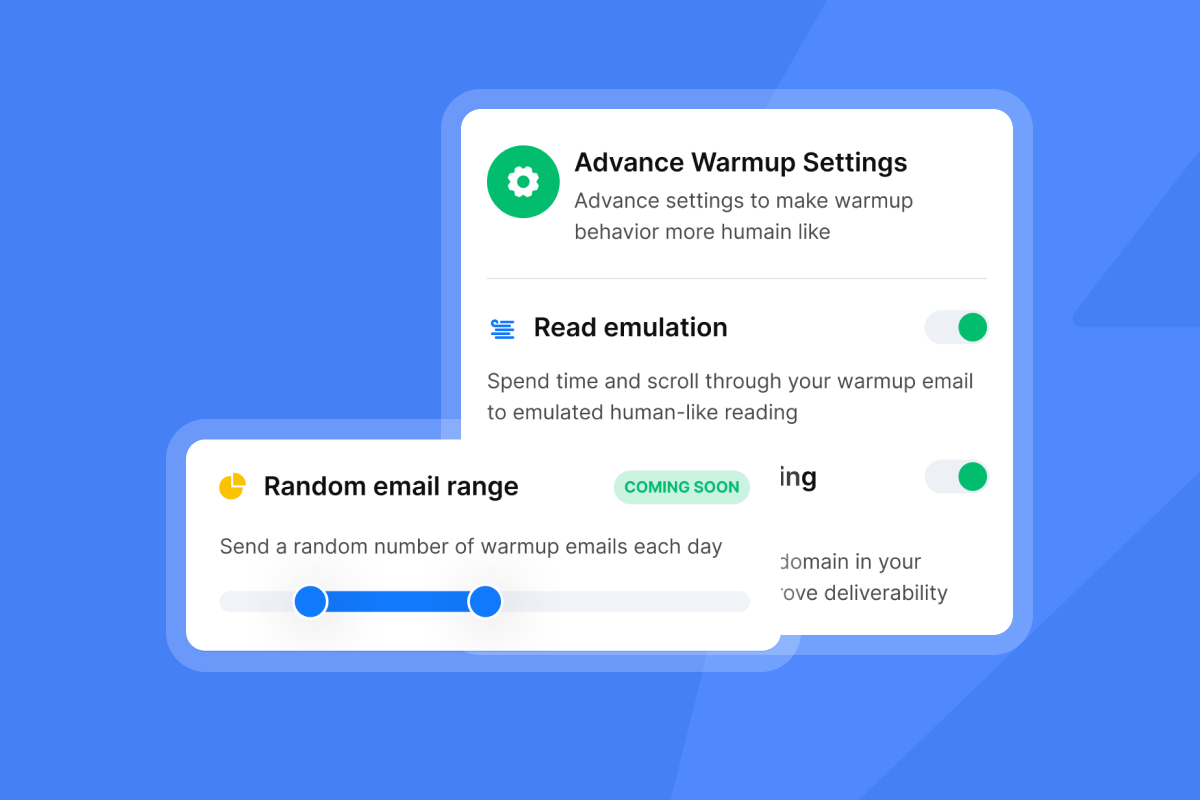
This is the infrastructure vs. software cost divide. Standalone warmup tools charge on a per-mailbox basis, and costs compound quickly as you scale sending accounts. At 50 mailboxes, even a modest per-mailbox fee adds up to a real monthly cost before you send a single campaign email. Confirm current pricing directly with any standalone warmup vendor before budgeting. Instantly bundles warmup across all Outreach tiers with no per-mailbox fee, drawing on a deliverability network of 4.2M+ accounts. Domain registration adds $15 per domain per year, a cost you plan once and amortize easily.
The Deliverability AI Agent, available on Hypergrowth and above, runs automated 24-hour monitoring across DNS health, blocklists, warmup scores, and bounce rates, and surfaces remediation steps directly in the platform. That replaces what many teams currently handle with separate tools or manual audits.
How to compare outbound sales software pricing across platforms
Comparing sticker prices across outbound platforms produces misleading results. The right comparison models total cost of ownership against expected output: meetings booked.
Quantify your true meeting ROI
The formula for cost per meeting is: total monthly platform cost divided by (monthly emails sent, multiplied by reply rate, multiplied by your reply-to-meeting conversion rate).
Using benchmarks from Instantly's 2026 benchmark report, here are the email volume and reply metrics by plan tier:
Outreach plan | Monthly cost | Emails/month | Reply rate (avg) | Est. replies |
|---|---|---|---|---|
Growth | $47 | 5,000 | 3.43% | 172 |
Hypergrowth | $97 | 100,000 | 3.43% | 3,430 |
Top 10% sender (any tier) | $97 | 100,000 | 10.7% | 10,700 |
When you apply a 20% reply-to-meeting conversion as an illustrative benchmark (your actual rate will vary based on ICP fit, sequence quality, and follow-up timing), the cost efficiency of volume becomes clear:
Outreach plan | Est. replies | Est. meetings (20% conv.) | Illustrative cost/meeting |
|---|---|---|---|
Growth | 172 | 34 | $1.38 |
Hypergrowth | 3,430 | 686 | $0.14 |
Top 10% sender (any tier) | 10,700 | 2,140 | $0.05 |
The reply rate range (3.43% average to 10.7% for top performers) reflects process quality, not platform luck. Consistent senders see 15-20% higher replies than erratic senders, which is why warmup ramp discipline and send window management matter as much as the subscription tier you select.
Map features to your team size
Different team sizes need different configurations. Here is a practical tier guide based on verified Instantly pricing as of May 21, 2026:
- Solo or small team (1-3 reps): Instantly Outreach Growth at $47/month with Credits Growth at $47/month covers most use cases. Add Growth CRM at $47/month if you need Unibox and pipeline management. Total: approximately $141/month.
- Growing team (3-15 reps): Instantly Outreach Hypergrowth at $97/month with Credits Supersonic at $97/month. Add Hyper CRM at $97/month if Calling and SMS are required. Total: approximately $291/month.
- High-volume or agency (15+ reps): Instantly Outreach Light Speed at $358/month with Hyper Credits at $197/month. SISR (dedicated IP pools) protects reputation at high volume. Total: from $555/month.
Uncover renewal traps before signing
Before committing to any outbound platform, run through this audit checklist:
- Auto-renewal clause: What is the notice period to cancel or downgrade? Is it 30, 60, or 90 days?
- Seat adjustment policy: Can you modify seat counts or plan tier mid-contract if headcount changes?
- Data portability: Can you export all contacts, sequences, and analytics before cancellation?
- Compliance posture: Does the vendor publish a DPA and sub-processor list? Instantly publishes its DPA at instantly.ai/dpa.
- Support SLA terms: What is the documented response time for your plan tier?
- Credit rollover policy: Do unused credits carry over or expire at period end?
Warning signs of predatory SaaS billing
Billing practices in the sales software category range from transparent to genuinely punishing. The warning signs below are patterns to identify before you sign, not after you receive an unexpected invoice.
Preventing unplanned renewal fees
Auto-renewal clauses activate without prompting in most enterprise contracts. Set a calendar reminder 90 days before your contract end date to evaluate usage, negotiate terms, or formally notify the vendor of a downgrade. Some vendors require written notice via a specific method, not just an email to your account rep, so check the contract for the exact procedure.
Preventing rogue post-exit billing
Post-cancellation charges occur when account closure is not properly confirmed in writing. Request a written cancellation confirmation that includes the effective date and a statement that no further charges will be processed. Save that confirmation. Instantly's billing and charges help article documents exactly what happens when a free trial ends or a paid plan is cancelled, so you know the process before you start.
Hidden costs of expiring email credits
The use-it-or-lose-it credit model creates a predictable pattern: teams over-consume credits early in the month to avoid waste, then ration near the end when campaigns matter most. Apollo's credit model works this way, with credits expiring at the end of each billing cycle and overages billed at $0.20 per credit with a 250-credit minimum purchase. When evaluating a credit-based platform, calculate your average monthly usage across a full quarter, not just peak months, and compare it to the tier's allocation.
Mandatory mid-contract plan changes
Platform repackaging can force you into a higher tier mid-contract if your current plan is deprecated. Instantly repackaged its plans in January 2026, moving features like A/Z testing (with full 26-variant capability available on Hypergrowth and above), AI Sequence Writer, and advanced warmup options from Hypergrowth into the Growth tier as an additive change. Predatory repackaging removes features from your current tier and requires an upgrade to restore them. Ask vendors explicitly what happens to your existing plan if they repackage, and whether legacy plans are honored through the contract term.
Building an accurate outbound software budget
A complete outbound software budget accounts for more than the subscription line. How many reps do you plan to add in the next 12 months? And does your current pricing model charge you more for each one? Here is how to structure each cost category before you finalize your GTM spend for the quarter.
Budgeting for future headcount needs
On a flat-fee platform, adding three more SDRs mid-year does not change your software cost as long as you stay within the same sending tier. On a per-seat platform, each rep addition triggers an immediate billing increase. Model your headcount plan for the next 12 months before committing to a pricing architecture, because the compounding effect of per-seat billing accelerates faster than most teams expect at 10 or more reps.
Managing costs during peak outreach
High-volume months like Q4 or post-conference sprints can push sending volume past your standard tier. Budget for the Instantly add-on at $87/month (which adds 125,000 sends and 25,000 uploaded contacts) as a standby option for peak periods rather than upgrading your base plan permanently. This is more cost-efficient than locking into a higher annual tier based on two or three seasonal months.
Budgeting for data and inbox health
Include two infrastructure line items in your baseline budget: domain registration at $15 per domain per year (renewed automatically each year as long as one email account remains active on the domain) and pre-warmed email accounts at $10/month per account from Instantly's managed service, purchased in minimum batches of 5 accounts.
Automated inbox placement tests in Instantly run continuously and alert you when domain health drops, which means you catch issues before they crater a campaign.
Managing multi-account replies at scale is where Unibox NLP pays off operationally. It auto-classifies incoming replies across 50+ languages into labels so your team routes hot leads without manually triaging every inbox. Base labeling is available on all plans. Custom label selection requires Hypergrowth or Light Speed.
Budget for initial setup and ramp
The warmup timeline matters for budget planning. Instantly's 2026 benchmark report recommends a 4-6 week warmup period before running campaigns at full volume. During that window, you pay full subscription costs while sending only 5-30 emails per inbox per day. Factor that ramp cost into your first two months: you pay for capacity you are not yet fully using. Building this in deliberately, rather than ramping too fast and triggering spam classification, protects your domain reputation for the campaigns that follow.
Ready to run your own numbers? The Instantly free trial gives you 14 days with 250 uploaded contacts and 1,000 emails, no credit card required. That is enough to validate your domain setup, warmup trajectory, and first campaign results before committing to any paid tier. Use the benchmark report to align your sequence strategy with what top-performing senders actually do.
FAQs
What is the difference between per-seat and usage-based pricing models?
Per-seat pricing charges a fixed monthly fee for every user or mailbox on the platform, so costs increase linearly with team size. Usage-based or flat-fee pricing charges for email volume and features rather than user count, which means adding more reps does not change your subscription cost as long as you stay within your sending tier.
How do I calculate the true cost per SDR for outbound software?
Add your base subscription, data credit spend, warmup tool costs, and domain infrastructure costs, then divide by the number of active senders. On a per-seat platform at $119 per user per month on annual billing ($149 billed monthly), a 10-rep team pays $1,190 monthly in licensing on annual billing before infrastructure, while Instantly's Hypergrowth at $97 flat includes warmup and unlimited mailboxes for that same team.
When do enterprise teams qualify for custom pricing?
Most enterprise platforms, including Instantly's Enterprise tier, offer custom pricing when teams exceed published plan limits or require dedicated infrastructure, custom SLAs, or advanced security reviews. Reaching out directly to the sales team is the right path once your send volume or rep count consistently surpasses the highest published tier.
Do monthly credits roll over if I do not use them all in a billing period?
This depends entirely on the platform. Apollo's credit model explicitly does not roll over unused credits at the end of each billing cycle, meaning any unused allocation is forfeited. Always confirm the rollover policy in writing before purchasing a credits-based plan, and model your expected monthly consumption against the tier allocation to avoid consistent over- or under-purchase.
Key terms glossary
Primary inbox: The main folder where legitimate, high-priority emails land, avoiding the spam or promotions folders.
Sender reputation: A score assigned by email providers based on your sending history, bounce rates, and spam complaints that determines whether your messages reach the primary inbox.
Warmup: The process of gradually increasing email volume on a new account over 4-6 weeks to build trust with email providers before running full campaigns.
List hygiene: The practice of regularly cleaning your email list to remove invalid, inactive, or risky contacts, keeping bounce rates at or below 1%.
Verified contacts: Leads whose email addresses have been checked and confirmed as active to prevent bounces and protect sender reputation.
Unified inbox: A single dashboard that aggregates replies from multiple sending accounts, such as Instantly's Unibox, for centralized reply management without switching between accounts.
Read next
- Cold email subject lines: Write subject lines that improve open rates and protect sender reputation across your team's sequences.
- Cold email templates: Copy proven outbound templates built for reply rates, not vanity metrics.
- 15 best ways to find B2B sales leads in 2026: Build a repeatable lead generation process that fills pipeline without ballooning data costs.


