.svg)
%20(1).svg)


Updated July 23, 2026
TL;DR: The best Instantly.ai alternative depends on your primary bottleneck. If you need a large lead database with prospecting depth, Apollo is the strongest option for data, but per-seat pricing creates a growth tax as your team scales. Smartlead is a solid specialist sender with flat-fee pricing, unlimited mailboxes, and a built-in prospecting layer called SmartProspect. Lemlist suits visual personalization and multichannel outreach. Its Email plan covers unlimited users at $69 per month flat, while its Multichannel tier uses per-seat pricing. Instantly remains the best fit for teams that need to scale sending volume, deliverability infrastructure, and AI reply handling under a flat fee, with 450M+ B2B leads available via SuperSearch as a separate add-on.
The biggest mistake in outbound sales is buying an all-in-one platform for its database and then relying on its basic sending engine to run your entire cold email operation. According to Instantly's 2026 benchmark report, the average cold email reply rate across billions of interactions sits at 3.43%, while top-quartile senders achieve 5.5% or more. The difference is not a bigger contact list but a better deliverability system.
If you are a sales leader or RevOps manager running a team of 3 to 15 reps and evaluating whether your current sending platform is costing you pipeline, this guide is for you. This guide compares the top Instantly alternatives to help you build a reliable, scalable cold email engine that fits your team's workflow and budget.
Key reasons to seek better email engines
Two structural problems account for most platform dissatisfaction in this category. Understanding both helps you evaluate any tool before you commit budget or rep time.
Hidden friction in platform workflows
Per-seat pricing is the most common source of friction for scaling sales teams. When you add a rep, your software bill grows. When you add mailboxes to protect domain health, your bill grows again. Apollo charges $79 per user per month on the Professional plan (annual billing), which puts a 10-rep team at $790 per month on seat fees alone, before credit overages or data add-ons are factored in.
Complex campaign setups and slow-loading interfaces compound the problem. Every hour a rep spends troubleshooting a sequence setting is an hour not spent booking calls.
Identifying gaps in deliverability
Basic sending tools treat deliverability as a checkbox, not a system. They offer a single warmup pool, one IP range, and no automated DNS monitoring. When your domain lands on a blocklist mid-campaign, you find out from a rep, not the platform.
A proper deliverability system includes automated warmup, real-time blocklist checks, DNS monitoring (SPF, DKIM, DMARC), bounce detection, and provider rotation. Without it, high-volume senders burn through domain reputation faster than they build pipeline.
How these outbound tools were vetted
Evaluation covered four areas where platforms most commonly fall short. Each one maps directly to a failure mode that affects pipeline, team trust, or compliance.
Monitoring domain and sender health
We evaluated every platform on automated blocklist checks, DNS health monitoring, bounce detection, and warmup network quality. A tool that waits for you to discover a deliverability problem is not a deliverability tool. The best platforms surface issues before campaigns go off track and give you direct in-platform actions to fix them.
Monitoring rep performance and output
CFO-proof reporting requires clean metrics: replies, meetings set, and conversion to SQL. Any platform reporting inflated open averages without acknowledging this is handing you misleading data. Reply rate and meetings booked are the metrics that matter.
Contract fairness and pricing clarity
G2 and Trustpilot reviews across this category flag annual lock-ins, complex cancellation flows, and post-cancellation billing as the most common complaints. Evaluate monthly billing availability, mid-term exit options, and what happens to your data if you cancel. Instantly offers a 14-day free trial with no credit card required, giving you a clean, low-risk entry point.
Evaluating lead accuracy and consent
Keep your bounce rate at or below 1% per campaign. If it climbs past that threshold, pause sends and run a list hygiene check before resuming. Verify that any lead database includes consent posture documentation and waterfall enrichment so you know where data comes from and how fresh it is.

Fitting your cold email stack to your workflow
The right configuration depends on your team size, budget, and primary bottleneck. These sections break down the decision by use case so you can match the stack to your situation.
Enterprise-grade deliverability tools
The most important architecture decision is whether to buy an all-in-one platform or build a specialist stack. Here is a decision matrix to help you choose based on your primary bottleneck.
Tool category | Primary bottleneck | Key advantage | Best fit |
|---|---|---|---|
All-in-one (Apollo, others) | Data volume | Database depth, multichannel sequences | Teams that need prospecting and sending in one login |
Specialist sender (Instantly, Smartlead) | Deliverability and cost | Flat-fee pricing, advanced warmup, IP rotation | Teams scaling mailboxes without per-seat costs |
Hybrid stack (Apollo + Instantly) | Both | Best-in-class data plus best-in-class sending | Teams with 5+ reps who prioritize domain health and cost efficiency |
For a deeper look at how these two approaches compare in practice, see Instantly vs Apollo for agencies: what real users say and why.
High-value picks for limited budgets
For teams under $200 per month, the options break down clearly. Smartlead's Base plan costs $39 per month billed monthly, with unlimited mailboxes, 2,000 active leads, and 6,000 emails per month. Instantly's Growth plan costs $47 per month billed monthly ($37.60 per month on annual billing) and includes unlimited email accounts and warmup, A/Z testing (variant count limited on this tier), AI Sequence Writer, and advanced warmup options, per the outreach plans comparison. Instantly's Hypergrowth plan costs $97 per month billed monthly ($77.60 per month on annual billing) and unlocks the full 26-variant A/Z testing capability. Lemlist's Email plan costs $69 per month and includes unlimited users with a cap of 50,000 emails per month.
Automated CRM pipeline alignment
Clean handoffs from cold email to CRM are where most teams leak deals. Here is a three-step stacking workflow for teams using Apollo for data sourcing and Instantly for sending, without damaging domain reputation.
- Export and verify: Pull verified leads from Apollo and run them through a secondary verification pass. Unverified contacts from any database introduce bounce risk. Target a bounce rate at or below 0.5% on your first send batch. That buffer gives you room to absorb natural list decay before approaching the 1% ceiling where sender reputation starts to take damage.
- Assign to warmed domains: Import leads into Instantly and assign them to a dedicated domain that has completed a full warmup cycle of 4 to 6 weeks, following the cold email strategy guide. Never send cold outreach from your primary company domain.
- Set sequence governance rules: Cap sends at 30 emails per inbox per day. Use multiple inboxes to scale volume horizontally. Instantly's native CRM integrations (including HubSpot and Clay) sync reply and status data directly so AEs receive clean, up-to-date handoffs. Instantly's Hyper CRM plan ($97 per month) also adds Calling and SMS to the same workflow if you need cross-channel coverage.
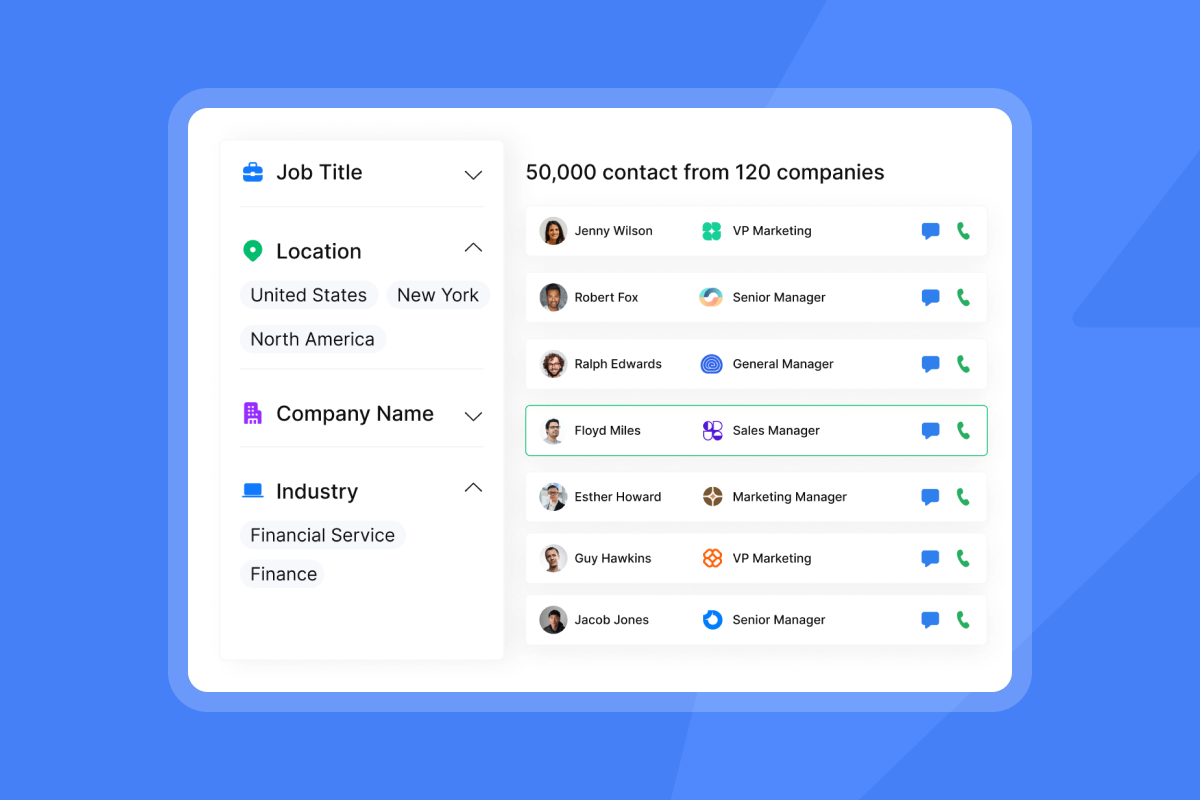
Comparing capabilities of leading email tools
Four capability areas determine whether a platform holds up at production volume. Each section below covers what to look for and where each tool stands.
Ensuring reliable inbox placement
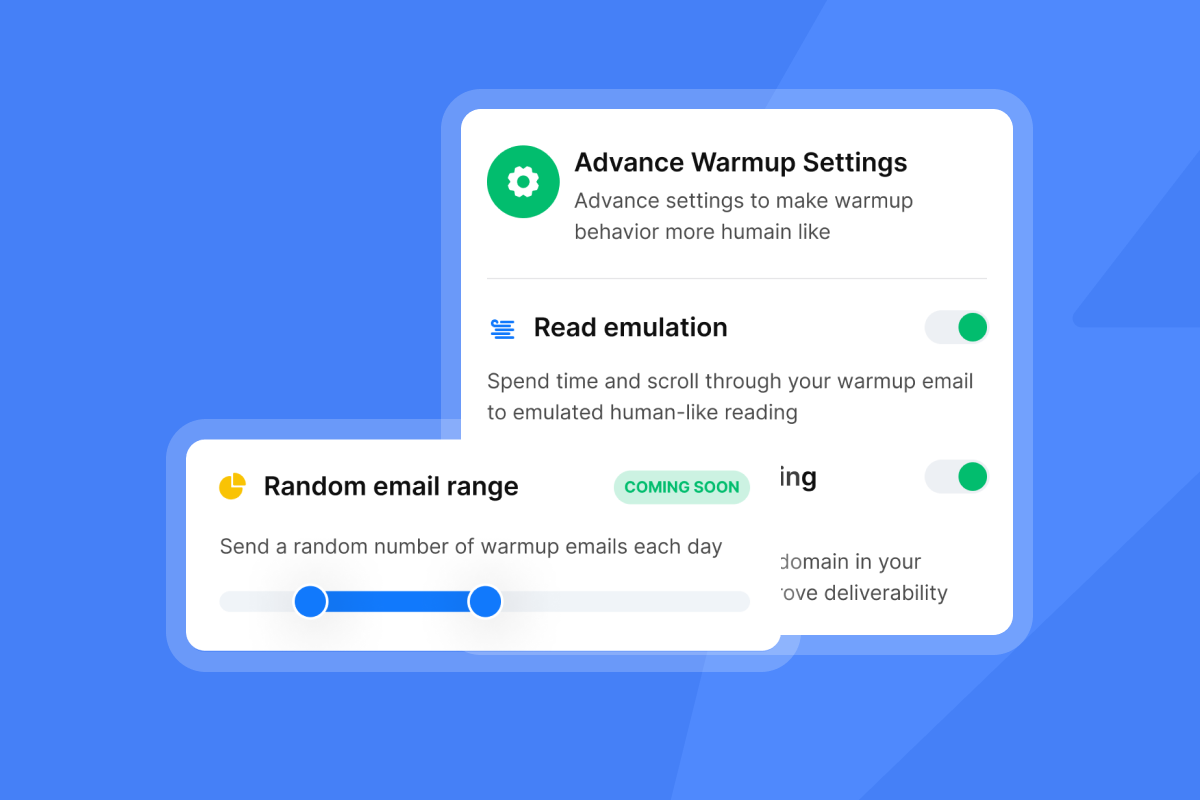
Warmup quality separates platforms more than any other single factor. Instantly's private deliverability network runs on 4.2M+ accounts used for warmup and engagement. The Hypergrowth plan ($97 per month) adds the Deliverability AI Agent, which monitors DNS health, blocklists, warmup scores, bounce rates, and campaign copy every 24 hours automatically, with direct in-platform actions to fix issues before they affect pipeline.
Instantly's Light Speed plan ($358 per month) adds SISR (Server & IP Sharding & Rotation), which distributes your sending across multiple dedicated IPs and servers, continuously rotating and replacing flagged IPs so campaigns continue without interruption. Automated Inbox Placement tests alert you before a campaign goes live if your setup is at risk.
"The platform is straightforward to set up, easy to run multiple campaigns, and keeps deliverability strong. Whether I'm testing a small list or scaling a larger outreach, it stays consistent and reliable." - Taylor G. on G2
Streamlining lead response workflows
Reply triage is the hidden time cost in outbound. A team running 10,000 sends per month at the 3.43% platform average generates 343 replies per month. Manually categorizing each one as interested, not interested, or out of office adds hours of daily admin work.
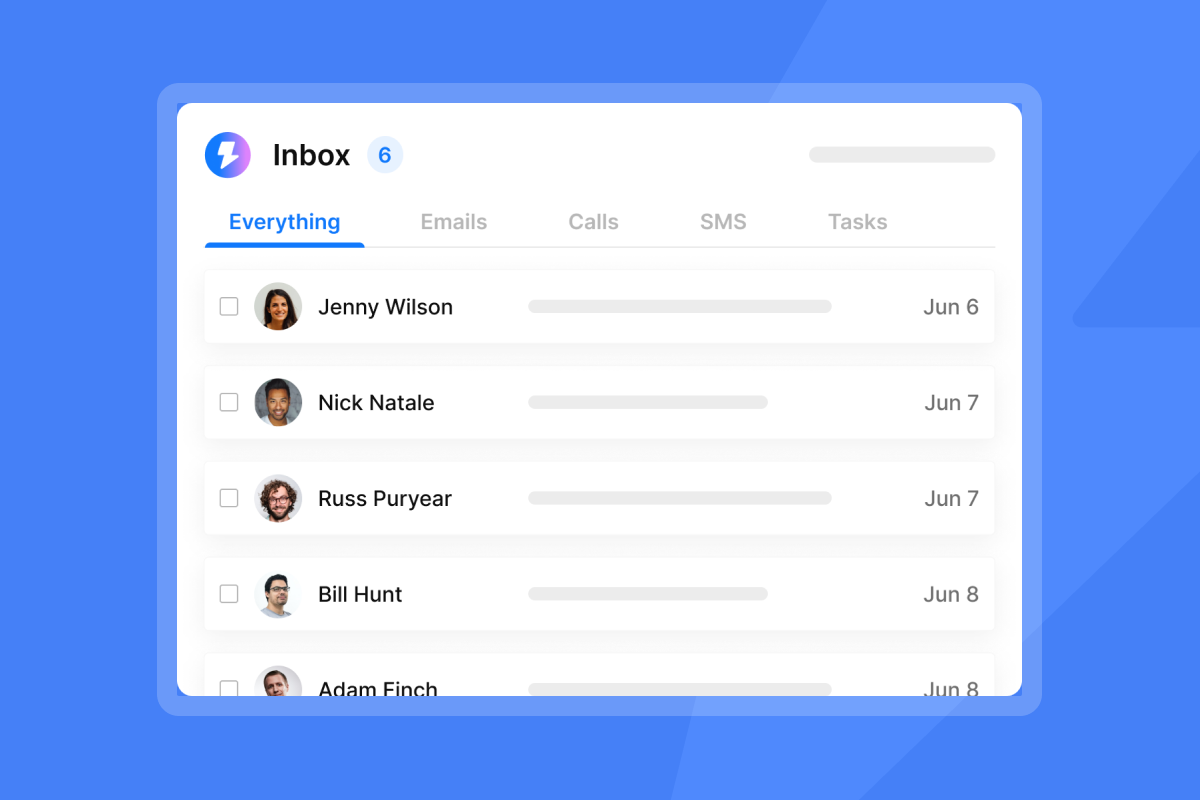
Instantly's Unibox NLP auto-classifies incoming replies across 50+ languages using sentiment detection. Built-in labels include Interested, Not Interested, and Out of Office. Custom labels are available on Hypergrowth and above. The AI Reply Agent handles replies in under 5 minutes in Autopilot mode and drafts responses for human review in Human-in-the-Loop mode, running on Instantly Credits (separate subscription, starting at $9 per month, free trial available) at 5 credits per reply.
Apollo tracks replies and syncs conversation activity through linked mailboxes, but does not offer a purpose-built unified inbox where replies from all connected mailboxes are consolidated into a single managed view the way Instantly's Unibox does. Lemlist consolidates replies across all channels into a single thread view, regardless of which channel the prospect responds on, but does not offer AI reply agent capabilities. Smartlead's unified inbox includes an AI Assistant that acts as a decision-making layer, detecting reply intent across five categories (interested, objection, referral, out-of-office, and unsubscribe), generating responses, and syncing outcomes to your CRM and pipeline automatically.
Centralized control for sales teams
Sales leaders need visibility across every rep and every inbox in one dashboard, not a tab for each account. Instantly's multi-account dashboard shows sender health, campaign metrics, and reply volume in one view, so you can catch a deliverability dip in one rep's account before it spreads across the team.
"I like that Instantly is the industry standard and the best tool on the market. It has a lot of free content and every feature possible for cold emailing. Features like email rotation, warm-up, and time zones for each target segment are very valuable for email marketing." - Bara A. on G2
Automating your CRM data handoff
Instantly connects natively to HubSpot and Clay, with additional connections available via Zapier, Make, and Pabbly. Instantly also supports a direct Pipedrive connection for teams already running pipeline in that CRM.
Apollo's native CRM integrations are limited to Salesforce and HubSpot, with only one CRM connected at a time, which is narrower than Instantly (HubSpot, Clay, Pipedrive, Zapier, Make, and Pabbly) or Lemlist (HubSpot, Salesforce, and Pipedrive). Smartlead offers native integrations with major CRM platforms including HubSpot and Pipedrive, with Zapier available as an additional option for extended connectivity.
Transparent pricing for Instantly alternatives
Pricing models affect your total cost of ownership more than headline rates suggest. The comparison below uses published figures as of May 2026 across the four platforms in this guide.
Per-seat vs. flat-fee pricing
Here is the real cost comparison across the four platforms, based on publicly listed prices as of May 2026.
Platform | Entry price | Mailbox limit | Pricing model | 10-rep monthly cost |
|---|---|---|---|---|
Instantly | $47/month (Growth, billed monthly) | Unlimited | Flat-fee | $97/month (Hypergrowth, billed monthly) |
Smartlead | $39/month (Base, billed monthly) | Unlimited | Flat-fee | $39–$379/month (tier-based, not team-size-based, billed monthly) |
Apollo | $65/user/month (Basic, billed monthly) | 1 mailbox per user on Basic, unlimited Google/Microsoft + 5 SMTP per user on Professional, unlimited Google/Microsoft + 15 SMTP per user on Organization | Per-seat | $990/month (Professional tier, billed monthly, before credit overages) |
Lemlist | $69/month (Email, billed monthly) | Unlimited users | Flat-fee | $69/month (billed monthly) |
At 10 reps, Instantly's Light Speed plan at $358 per month is roughly one third the cost of Apollo Professional at $990 per month billed monthly, before credit overages. The gap widens when Apollo credit overages push teams toward $150 to $400 per user per month all-in.
Beware of hidden service surcharges
Flat-fee platforms still carry add-on costs worth mapping before you commit. Smartlead charges separately for premium warmup (pricing not publicly confirmed, check directly with Smartlead), SmartSenders mailboxes ($3.99 to $9 per mailbox per month depending on provider, with pre-warmed Zapmail mailboxes at $9 per month and fresh SMTP mailboxes via Mailreef at $3.99 per month), SmartDelivery inbox placement testing ($49 per month on Growth, $174 per month on Pro, $599 per month on Export), and SmartServers dedicated infrastructure at $39 per server per month. Real costs for a five-person agency can run 3 to 5x the base plan price when these add-ons are factored in. Lemlist's Email plan at $69 per month covers unlimited users, so additional mailbox costs depend on your SMTP infrastructure setup rather than a per-seat charge.
For Instantly, Instantly Credits (starting at $9 per month, free trial available with 100 credits) is a separate line item from the Outreach plan. Credits power SuperSearch lookups, Copilot, AI Sales Agent (5 credits per generated lead), and AI Reply Agent (5 credits per reply). Map your expected credit consumption before finalizing your budget so your total cost of ownership is accurate from day one.
Realistic deliverability metrics for 2026
Benchmark data gives you a baseline for what good actually looks like before you set team targets. The figures below come from Instantly's 2026 benchmark report covering January 1 to December 18, 2025.
Expected reply rates for SDR teams
Instantly's 2026 benchmark report analyzes billions of cold email interactions across thousands of workspaces, running from January 1 to December 18, 2025. The platform average reply rate is 3.43%. Top-quartile senders reach 5.5% or higher. The top 10% reach 10.7% or above.
These are process outcomes, not guaranteed results. The gap between average and top-quartile performance comes down to list quality, sequence structure, email length, and consistent sending patterns.
Drivers of 5.5% plus reply rates
Top performers share four characteristics based on the benchmark data.
- Sequence length: 4 to 7 steps. Fewer steps under-follow-up on leads who need multiple touches.
- Email length: Under 80 words with a single clear call to action on first-touch emails.
- Consistency: Stable sending patterns produce 15 to 20% higher reply rates than sporadic sends.
- Send timing: Tuesday and Wednesday generate the highest reply rates. Monday is the best day to launch a new sequence.
Optimizing cadence for inbox health
Do not scale past 30 emails per single inbox per day. That is not a conservative guideline. It is the ceiling for protecting sender reputation at volume. Scale total send volume by adding more warmed inboxes rather than pushing higher volume through a single mailbox.
Instantly's unlimited email accounts and warmup model is built for exactly this horizontal scaling approach. Instantly's cold email strategy guide covers how to structure this ramp correctly from setup through full production volume.
Selecting the right cold email stack for your team
Four evaluation steps reduce the risk of buying the wrong platform. Run each one before you sign a contract or move any active campaigns to a new tool.
Validate performance with a 30-day POC
A 30-day POC for any new platform should include four clear phases.
- Week 1: DNS setup (SPF, DKIM, DMARC), domain authentication, and initial mailbox connections.
- Week 2: Warmup ramp starting at 5 to 10 emails per day per inbox, building ISP reputation gradually.
- Week 3: Run a controlled batch of 50 to 100 emails to a verified list segment, check inbox placement results across providers, and confirm bounce rate stays below 1% before committing to full volume.
- Week 4: Review three metrics against fixed thresholds: bounce rate below 1%, reply rate at or above 3.43% (platform average), and inbox placement confirmed in primary tab.
Ramp to full production volume only if all three benchmarks hold. Warmup for new domains takes 4 to 6 weeks minimum, so plan your timeline before day one and set expectations with your team accordingly.
Verify CRM data sync accuracy
Before signing any contract, run a bidirectional sync test. Send a batch of test emails, generate a handful of replies, and confirm that every reply, status change, and lead update appears correctly in your CRM. Check for duplicate lead creation, missing field mapping, and lag time between the sending tool and CRM. Broken sync means AEs work from stale handoffs, which erodes team trust faster than any deliverability issue.
Verify support SLA and response times
Live campaign support is the moment of truth for any platform. Test response time during your free trial, not after you sign. Ask specifically what the average response time is for billing issues and what the escalation path is for deliverability incidents affecting active campaigns.
Verify data privacy and security
For B2B SaaS procurement, you need at minimum a countersigned DPA, a sub-processor roster, and documentation of how data categories are handled. Instantly's Data Processing Addendum (updated May 6, 2026) covers GDPR, CCPA, standard contractual clauses, sub-processors, security, and breach notification.
What ops teams need to know before buying
Two operational considerations tend to surface after the demo but before go-live. Addressing them early protects both your pipeline and your team's time during rollout.
Platform selection for lean teams
Lean teams of 3 to 7 reps get the most predictable economics from flat-fee platforms. At 3 reps with 9 mailboxes, Instantly's Hypergrowth plan costs $97 per month. At 10 reps with 30 mailboxes, it still costs $97 per month. Apollo Professional at that same 10-rep scale costs $790 per month before overages. For new hires ramping cold email, Instantly also provides access to 600 cold email templates inside the platform, reducing time-to-first-send for new reps.
Instantly and Smartlead both treat inbox placement as a core infrastructure investment. Instantly's SISR system on the Light Speed plan distributes sends across dedicated IPs and replaces flagged ones automatically, providing meaningful protection for high-volume senders. Apollo's deliverability infrastructure is generally considered shared and general-purpose rather than purpose-built for high-volume cold outreach, based on user feedback patterns across G2 and Trustpilot reviews. Lemlist does not offer native dedicated IP rotation, though users can connect external dedicated IP inboxes via SMTP.
Migration and billing clarity
Migrating platforms mid-campaign introduces three concrete risks. First, you lose active sequence history from the old platform. Second, newly connected inboxes need a fresh warmup cycle before you can push full volume. Third, contacts in active sequences may receive duplicate outreach if your suppression list is not carried over correctly. Plan for a 6 to 8 week migration window. Keep your legacy platform handling all live campaign traffic while the new system runs in the background on identical inputs, shifting volume only as validation benchmarks are met. Export all active lead data before canceling any subscription.
On billing: read the fine print on four items before signing. Check whether email verification is included or billed separately. Check whether warmup slots are unlimited or capped. Check whether AI features require a separate credit subscription. Check whether team reporting and admin controls are gated behind a higher tier. For Instantly specifically, Instantly Credits (separate from Outreach plans, starting at $9 per month) power AI agents and SuperSearch lookups. Budget for both subscriptions from the start.
Before you evaluate any tool, ask yourself one question: is your team losing pipeline because of weak data, high platform costs, or inconsistent inbox placement?
The right Instantly alternative depends on one question: where is your team losing pipeline? If it is data access, Apollo adds prospecting depth at a per-seat cost. If it is budget, Smartlead's flat-fee model covers unlimited mailboxes from $39 per month billed monthly. If it is personalization at small scale, Lemlist covers multichannel outreach with unlimited users on a single plan. If it is deliverability, reply handling, and cost at scale, Instantly's flat-fee infrastructure, 4.2M+ warmup network, and AI reply layer are built for exactly that. Pick the platform that solves your specific bottleneck, validate it in a 30-day POC, and hold it to the benchmarks in this guide.
Start your 14-day free trial (no credit card required) to test Instantly's multi-account setup, automated warmup, and Unibox in a live campaign. Pair that with the 2026 Cold Email Benchmark Report to set accurate reply rate and sequence targets before your first send.
FAQs
What is the best Instantly alternative for small sales teams?
Smartlead is the strongest alternative for small teams on a budget, starting at $39 per month billed monthly with unlimited mailboxes and flat-fee pricing. It also includes SmartProspect, an AI prospecting tool built into Smartlead that searches 300M+ verified business profiles and feeds contacts directly into your campaigns with no per-lead fees.
How does Apollo pricing compare to Instantly at scale?
Apollo Professional costs $79 per user per month on annual billing, putting a 10-rep team at $790 per month before credit overages. Instantly's Light Speed plan covers unlimited mailboxes at $358 per month flat regardless of team size, making it roughly 2.2x cheaper at the 10-rep level before Apollo credit overages are factored in.
Does Instantly include warmup on all plans?
Yes. Instantly includes unlimited email accounts and warmup on every Outreach plan starting from Growth at $47 per month. Instantly's warmup network runs on 4.2M+ accounts.
What is a safe daily send limit per inbox for cold email?
Cap each inbox at 30 campaign emails per day. Scale total send volume by adding more warmed inboxes rather than pushing higher volume through a single mailbox. Going above this threshold risks triggering spam filters and degrading the domain reputation behind your primary sending infrastructure.
Key terms glossary
Primary inbox: The main tab in Gmail or Outlook where emails from known contacts and non-promotional senders land. Primary inbox placement is the core deliverability goal for cold outreach.
Sender reputation: A score assigned by ISPs based on sending patterns, bounce rates, spam complaints, and engagement history. A damaged sender reputation results in emails landing in spam or being blocked outright.
SPF, DKIM, DMARC: DNS authentication protocols that verify email sender identity and prevent spoofing. All three must be correctly configured before any cold email campaign goes live.
Sequence governance: Admin controls that standardize email cadence, send limits, and copy rules across a sales team, reducing the risk of individual reps damaging shared domain reputation.
SISR: Server and IP Sharding and Rotation. A system that distributes email sends across multiple dedicated IPs and servers, automatically replacing flagged IPs to maintain consistent inbox placement at volume.
Unibox NLP: Instantly's AI-powered reply classification layer that auto-categorizes incoming replies across 50+ languages into labels such as Interested, Not Interested, and Out of Office.
Read next
- Instantly vs Apollo for agencies: what real users say and why: A side-by-side breakdown of how both platforms perform on deliverability, pricing, and team usability based on real user feedback.
- Best cold email sequence templates to win replies in 2026: Ready-to-use sequence frameworks covering step count, timing, and copy structure for SDR teams running outbound at scale.
- Email warmup process: 4 stages to reach full sending capacity: A practical walkthrough of how to ramp a new inbox from zero to full send volume without triggering spam filters or damaging domain reputation.


