.svg)
Orchestrating multi-channel outreach 2
.svg)
.avif)
This certificate would look great on you.
Complete a short quiz and it’s all yours.
Setting Up Website Visitor Tracking and Campaign Segmentation
Before building sophisticated multichannel flows, you need foundation elements in place. The first requirement is understanding who is engaging with your content and visiting your website. The second is creating the campaign structures that will receive these prospects based on their characteristics and behavior.
This lesson focuses on establishing these foundational elements within Instantly, setting up the views and campaigns that will power your multichannel motion.
The Traffic Assumption
Multichannel orchestration assumes you already generate some form of website traffic. Perhaps your LinkedIn content drives visitors. Maybe your blog attracts organic search traffic. You might run ads that bring prospects to landing pages. The specific source matters less than having some flow of visitors to work with.
Understanding traffic sources becomes valuable for segmentation. Someone who clicked through from your LinkedIn post has already engaged with your content. They know something about you. That context should influence how you reach out compared to someone who found you through a random Google search.
Website Visitor Tracking Setup
The website visitor tracking pixel provides the intelligence layer for your multichannel system. Once installed, it identifies companies visiting your site and reveals valuable context about their behavior. Which pages did they visit? How did they find you? How much time did they spend?
This information transforms anonymous website traffic into actionable prospect data. Someone visiting your pricing page sends different signals than someone who bounced after reading one blog post. Someone arriving from LinkedIn might warrant different outreach than someone coming from a referral link.
The tracking reveals these patterns at scale, automatically populating views based on criteria you define. Rather than manually researching each visitor, the system surfaces qualified prospects based on engagement signals.
Creating Campaign Structures
Before routing visitors into outreach, you need receiving campaigns built and ready. The segmentation logic determines which campaign catches which type of prospect.
Revenue represents one common segmentation axis. Larger companies often warrant more touchpoints and channels. Smaller companies might receive email-only outreach to manage resource allocation. Creating separate campaigns for different revenue tiers allows customized approaches for each segment.
Traffic source provides another segmentation dimension. LinkedIn visitors have already engaged with your content and deserve acknowledgment of that context. Direct visitors found you through intentional research. YouTube arrivals engaged with your video content. Each source tells a different story about the prospect's journey.
Building views within the website visitor section allows filtering by these dimensions. Revenue ranges isolate prospects by company size. Referrer filters separate traffic sources. URL conditions identify engagement with specific pages. Combining these filters creates precisely defined segments.
Mapping Views to Campaigns
Each filtered view connects to a corresponding campaign. LinkedIn visitors under fifty million in revenue route to their specific campaign. Direct visitors over fifty million go elsewhere. The campaign receives prospects automatically as they match the view criteria.
This automatic routing eliminates manual list building. As website visitors match your criteria, they populate the appropriate campaigns without intervention. Your outreach stays current with actual engagement rather than relying on static lists that age quickly.
The campaign structures you build should reflect your capacity and strategy. More segments provide more customization but require more campaign management. Start with a manageable number of segments and expand as you develop content and capacity for each.
Leveraging Page-Level Data
Beyond traffic source and company size, the specific pages visited provide additional targeting opportunities. Pricing page visitors demonstrate commercial intent. Case study readers seek social proof. Technical documentation browsers evaluate fit with their needs.
These page-level signals can trigger different campaigns or add urgency to existing outreach. Someone who visited your pricing page three times in a week warrants faster follow-up than someone who read a single blog post.
Building views based on URL patterns captures this intent data. You can require pricing page visits for certain segments or use content consumption patterns to qualify prospects before they enter outreach sequences.
Connecting to External Systems
The view setup also supports webhook integration with external tools. As prospects match view criteria, data can flow to HubSpot, Salesforce, or other platforms automatically. This enables retargeting campaigns, lead scoring updates, and CRM synchronization without manual data movement.
These connections extend the multichannel capability beyond what Instantly handles directly. Ad platforms receive audiences for targeted campaigns. LinkedIn automation tools get qualified prospects. CRM records stay current with engagement data.
The webhook URL field in view configuration accepts endpoints from Make, Zapier, or native platform integrations. Data flows as soon as prospects match your criteria, enabling real-time orchestration across your entire tech stack.
Building the Foundation
With tracking implemented, views configured, and campaigns created, you have the foundation for multichannel orchestration. Prospects flow automatically into appropriate sequences based on their characteristics and behavior. The next steps involve enhancing these sequences with reply automation and connecting additional channels through webhooks.
This foundation work may feel less exciting than sophisticated automation, but it determines everything that follows. Clean segmentation enables relevant outreach. Accurate tracking surfaces qualified prospects. Well-structured campaigns organize your efforts. Getting these elements right makes the advanced orchestration possible.
Video transcript
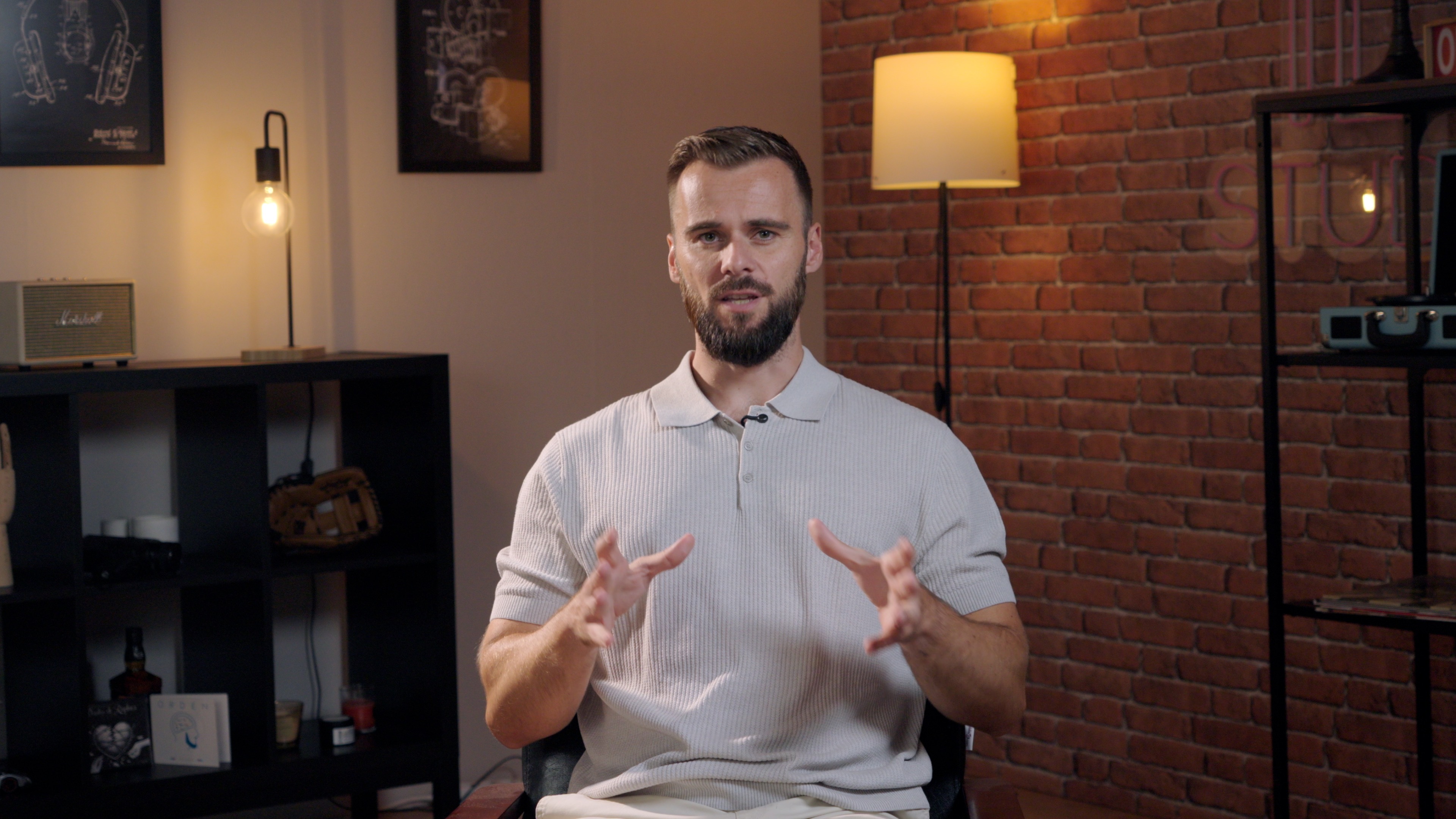
For this mini course, we're going to assume you're already getting some kind of traction. Maybe you're posting on LinkedIn, and those people are converting to website visitors. Maybe you have a blog that's getting some traffic, or maybe there's a different traffic channel that you're using to get people to visit your website and to find out about you. And then in this mini course, we're going to start looking at how we can engage these people and how we can start by setting up a basic outbound type check type channel that will help in engaging these people across different channels at the right time.
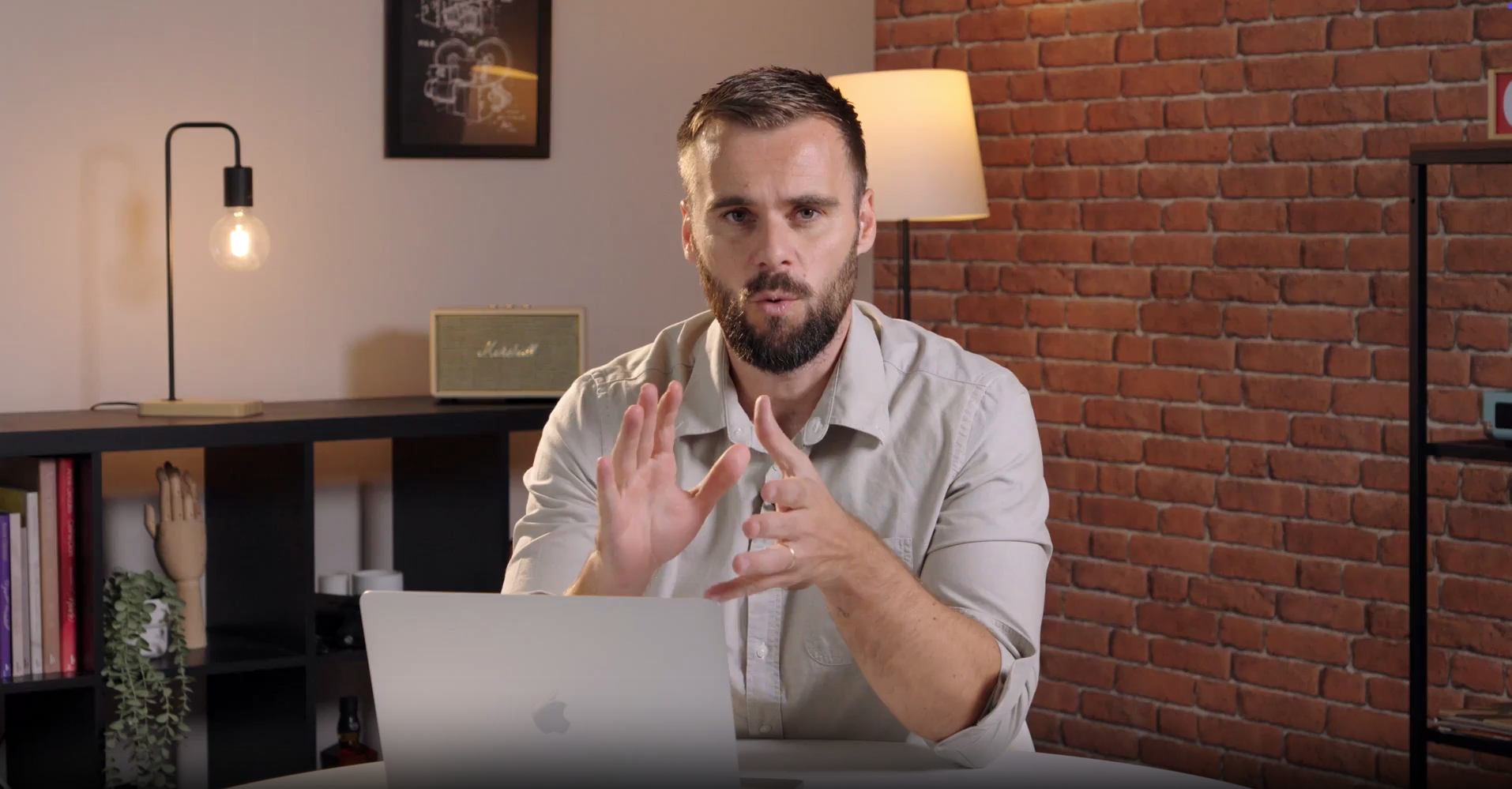
This is a screen you're hopefully familiar with by now, the Instantly app. And within here, we're going to start setting up a couple of things to start setting up our outbound motion. We're going to set up the first four campaigns that we're going to use. So, the examples that we're going to use, we're going to reach out to our website visitors, and we're going to reach out to companies that have a specific amount of revenue.
So, for example, companies that have less than fifty million in revenue, companies that have more than fifty million in revenue, and companies that are just highly engaged with our content and with our website, we're going to do some segmentation there so that we have these different campaigns that we can either add more touch points or we can personalize our outreach based on the specific situation of that company that we're going to be engaging with. And I'll show you this later, but when you're tracking your website visitors, one of the things that you can see is the source that they came in from.
So did they come from your LinkedIn content, from your LinkedIn profile? Did they visit your website directly? Did they come from YouTube? Which pages did they visit?
And all of that is just really gold, like this really good information. And we're going to use that to make our outreach more relevant, and also to prioritize who we should be reaching out to and how often we should be reaching out to them. For that, we're going to set up different campaigns. So here in the campaigns window, I'm going to set up four different campaigns.
I'm going to set up a campaign for people who visited our website from LinkedIn, because then I know they engaged with my content, they saw my profile. And as best practice is for that all bound motion, you want to optimize your profile, it really is that like a landing page and people visit your profile, they learn about you, your company, they click through, and then they actually land on your website. They know a little bit more about you, they've seen your content, and it's not as much cold outreach obviously as a real cold email to someone who's never heard from you. Four campaigns that we're going to set up.
So the first one is LinkedIn visitors, and then less than sub fifty million in revenue. I'm gonna just name it like this.
And then we're going to set up a couple more campaigns.
Here are the campaigns. So direct visitors over fifty million, direct visitors under fifty million, and the LinkedIn campaigns that we talked about. So let me show you exactly what I mean by being able to see where people came from, how they visited, and why we actually set up these campaigns.
If you haven't set this up already, make sure you set up the website visitors tracking pixel. And you can find it here on the left hand side under website visitors. Here we can see people who visited our website in the last seven days, for example. And then when we click into someone, we can see the different pages that they visited and also where they visited from.
This person, for example, came in from YouTube, they also came in via Google, and they visited our pricing page. And that's all really relevant information. You obviously want to say, okay, if someone was looking at our pricing page, they're probably in a slightly different part of the buying journey than someone who just clicked around on the website, looked at some content and left. And you want to use that to adjust your ads that you're showing, to adjust the emails that you're sending, and to adjust your scripts on the phone when you're actually picking up the phone and calling these people, which is all part of that outbound multichannel motion.
That's how we're going to use these different campaigns. We're going to start looking at, okay, who are these people? How do they find out about us? How do they engage with our content?
And then we're going to actually set up different campaigns for them. How you do that is you go here, you look at create view, click on create view, and that allows you to set up a new view. We're going to name this LinkedIn visitors sub fifty million. So we know that view belongs to the campaign that we set up earlier.
We don't wanna send any notifications to Slack.
Then the webhook URL, you can use that to sync these people maybe with HubSpot. If you're using an external CRM, you wanna sync these with different tools, maybe where you're storing data that you're using for outreach, you can just take this data and send it directly to instantly to HeyReads to different LinkedIn engagement platforms, or you can just add this to HubSpot. And then in HubSpot, you have this dynamic listing, you use that to retarget them. You can, in theory, say, I know you saw my LinkedIn content and you visited my website.
Obviously not something that you wanna say, but you wanna adjust your ads accordingly, which is really cool that you can actually do that. And, you know, that makes for a great all about motion. Then we want to automatically add all these matching leads. So I'm gonna set up the filters, and then we're going to add them to the campaign.
What we wanna do is first we wanna say, okay, the revenue is between zero to fifty million. We can also add different filters, so how in which department they are and what their industry is, how many employees they have. For the sake of this tutorial, I'm not going to create too many filters, but those are all things that you can add as well to make sure that you're reaching out to relevant leads only. Then another thing I could do is I could say, okay, I only want to reach out to people who actually saw the pricing page.
In that case, I could do an exact match, or I can just say URL contains pricing, for example. In this case, again, I'm not going to do that, because I want to reach out to all these people who came in from LinkedIn. But that's how granular you can get. You could even say, okay, if they've seen this piece of content, then they know enough about one business for me to actually reach out to them.
If they haven't seen that piece of content yet, I'll wait a little bit. Those are all these different things you can set up, which is really cool and which makes for some really good targeted outreach. Then for the referrer, we wanna say contains LinkedIn, and that way we know these people came in from LinkedIn. They're sub fifty million.
And how I'm going to use that, I'm going to say, okay, if they're sub fifty million, I wanna send emails only. If they're higher than fifteen million, that's a more exciting tier one account for us. And in that case, I also want to ideally pick up the phone, maybe even reach out to them on LinkedIn, maybe show some more ads or show my ads longer, spend more budget on them. And this is where I can do that.
So we click here into campaign, then we select the campaign that we set up earlier, the LinkedIn campaign, that's everything that we have to do. We can now save this view, and then we can see exactly how many people are in that view. If that view is empty, that's fine. It can be that it needs some time to populate, or it can be that no one matches those filters yet.
But as you keep creating this content on LinkedIn, or as you keep maybe running LinkedIn ads, then that view will populate and you can start adding these people to campaigns. We're gonna set up these views for higher than fifty million, and we're going to set up the same view for referrer does not contain LinkedIn. And then we have our four campaigns, and that's how easy it is to set all this up. Then we're gonna go to the next step, which is the next video.
Resources


Courses

.svg)

Prompts
%20(1).svg)
Unlock the power of AI
with

Get started now to access exclusive templates and elevate your projects to the next level.
Stop letting poor deliverability kill your pipeline. Join 50,000+ sales teams who've made the switch to Instantly for better inbox placement, higher response rates, and more closed deals.
No credit card required.