.svg)
Orchestrating multi-channel outreach 3
.svg)
.avif)
This certificate would look great on you.
Complete a short quiz and it’s all yours.
Setting Up Reply Agents for Automated Conversation Management
Generating leads and sending campaigns creates work on the back end. Responses arrive, conversations need management, and leads require qualification. As your multichannel motion scales, manually handling every reply becomes increasingly difficult. Reply agents solve this challenge by automating conversation management while preserving the personal touch that drives conversions.
The Role of Reply Agents
When outreach campaigns succeed, they generate responses. Some prospects express interest. Others have objections. Many simply ask questions or request more information. Each response type requires appropriate handling to advance the conversation.
Reply agents use AI to manage these incoming messages intelligently. They can respond to common questions, handle scheduling for interested prospects, and tag leads based on their responses. The automation ensures no lead falls through the cracks while freeing you to focus on higher-value activities.
The key insight is that most responses follow predictable patterns. Interested prospects want next steps. Skeptical prospects need social proof. Busy prospects want brief answers. Training reply agents on these patterns enables consistent, appropriate responses at scale.
Setting Up Your Reply Agent
Within Instantly, creating a reply agent involves configuring behavior preferences and connecting to your campaigns. The agent needs to understand your product, your tone, and your desired outcomes.
Autopilot mode allows the agent to respond independently based on its training. Copilot mode keeps humans in the loop for review before responses send. The right choice depends on your comfort level and the sophistication of your typical conversations.
Tone and length settings shape how the agent communicates. Professional tone works for most B2B contexts. Standard length keeps exchanges efficient. These defaults work well for most situations, though you can customize based on your brand voice.
Campaign connections determine which conversations the agent manages. You can assign agents to specific campaigns or let them handle all incoming responses. Different campaigns might warrant different agents if your messaging varies significantly across segments.
Integrating Calendar Scheduling
Reply agents can integrate with scheduling tools like Calendly to book meetings automatically. When a prospect expresses interest, the agent can offer available times and capture the booking without human intervention.
This automation dramatically reduces the friction between interest and meeting. Rather than exchanging multiple emails to find a suitable time, prospects book immediately when their interest peaks. The reduced delay improves conversion rates significantly.
The calendar integration also enables downstream automation. When Calendly captures a booking, webhooks can notify your CRM, update lead status, and trigger additional campaigns. The scheduling event becomes an orchestration trigger for other systems.
Tagging for Downstream Actions
Beyond conversation handling, reply agents tag leads based on their responses. Interested prospects receive one tag. Not interested leads get another. Meeting booked triggers a third. These tags become essential for multichannel orchestration.
Webhooks can fire based on tag assignment. When someone gets marked as interested, they might enter an ad campaign showing case studies. When someone books a meeting, they could receive calendar reminder ads. When someone declines, they might pause from current outreach and enter a nurture sequence.
This tagging creates the decision points that enable sophisticated automation. Rather than treating all leads identically, your system responds to their actual behavior and expressed interest level.
Reducing Response Time
Speed matters in sales conversations. Prospects who express interest today may have moved on tomorrow. Reply agents respond in minutes rather than hours, keeping momentum when it matters most.
This rapid response particularly benefits multichannel strategies. A prospect who clicks a link, visits your site, and responds to an email demonstrates active engagement. Capturing that moment with a fast, relevant response often converts better than waiting until you manually process replies.
The agent handles the initial response while you focus on conversations that require human judgment. By the time you engage personally, you're building on momentum the agent already created.
Connecting to Your Multichannel Flow
Reply agent output feeds directly into multichannel orchestration. The tags assigned by agents trigger webhooks. The booking confirmations sync to calendars and CRMs. The qualification data informs which additional channels to activate.
This integration means reply automation is not separate from your multichannel strategy. It is a core component that creates the signals other systems act upon. Without proper reply handling, you lack the data to orchestrate effectively.
The combination of campaigns sending outreach, agents handling responses, and webhooks connecting to additional channels creates a system that operates continuously. New prospects enter, messages go out, responses get managed, qualified leads route to next steps, all without requiring constant manual intervention.
Building on this automated foundation, the next steps involve configuring the webhooks that extend your reach beyond email into ads, LinkedIn, and other channels that complete the multichannel picture.
Video transcript
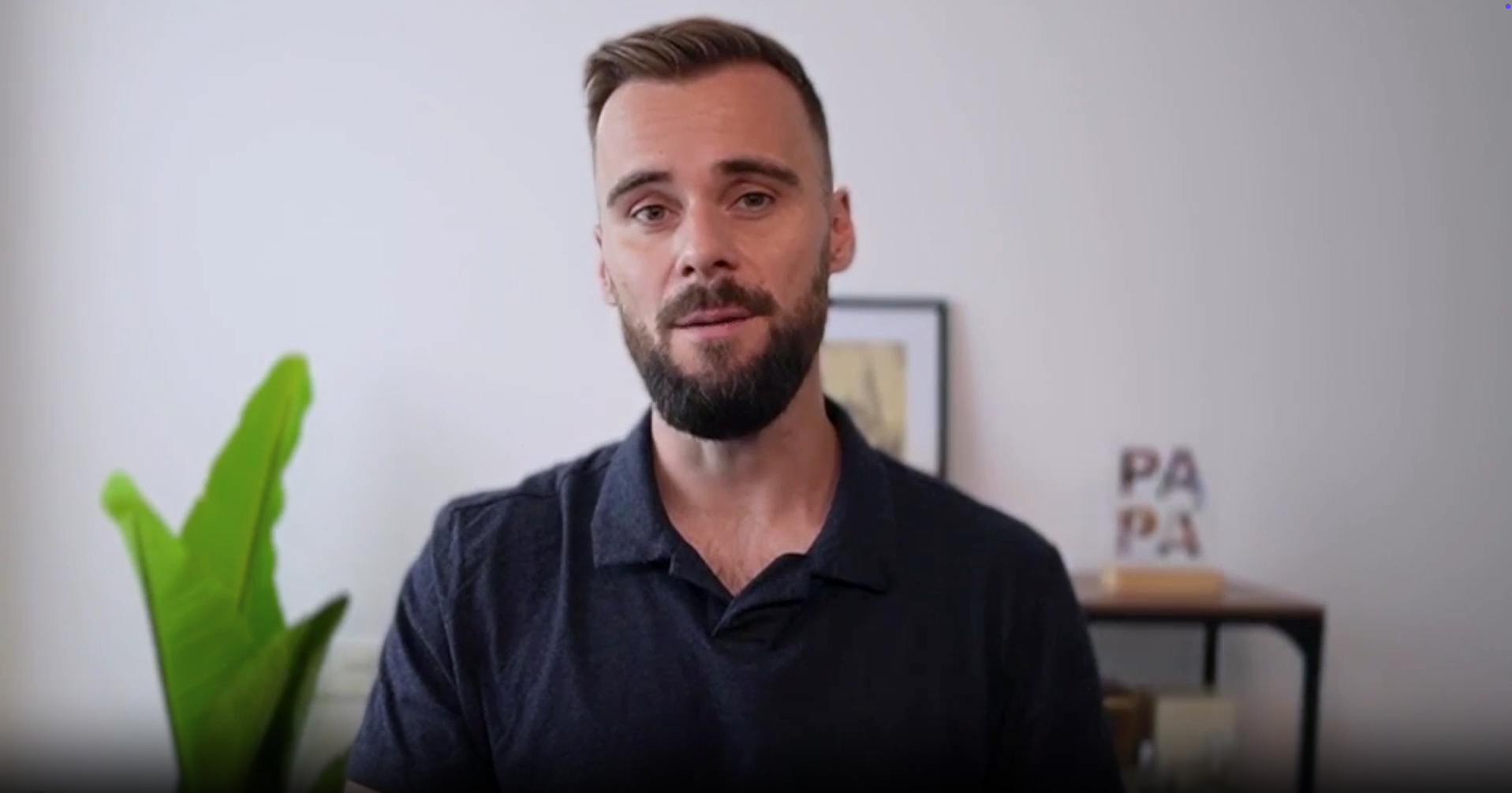
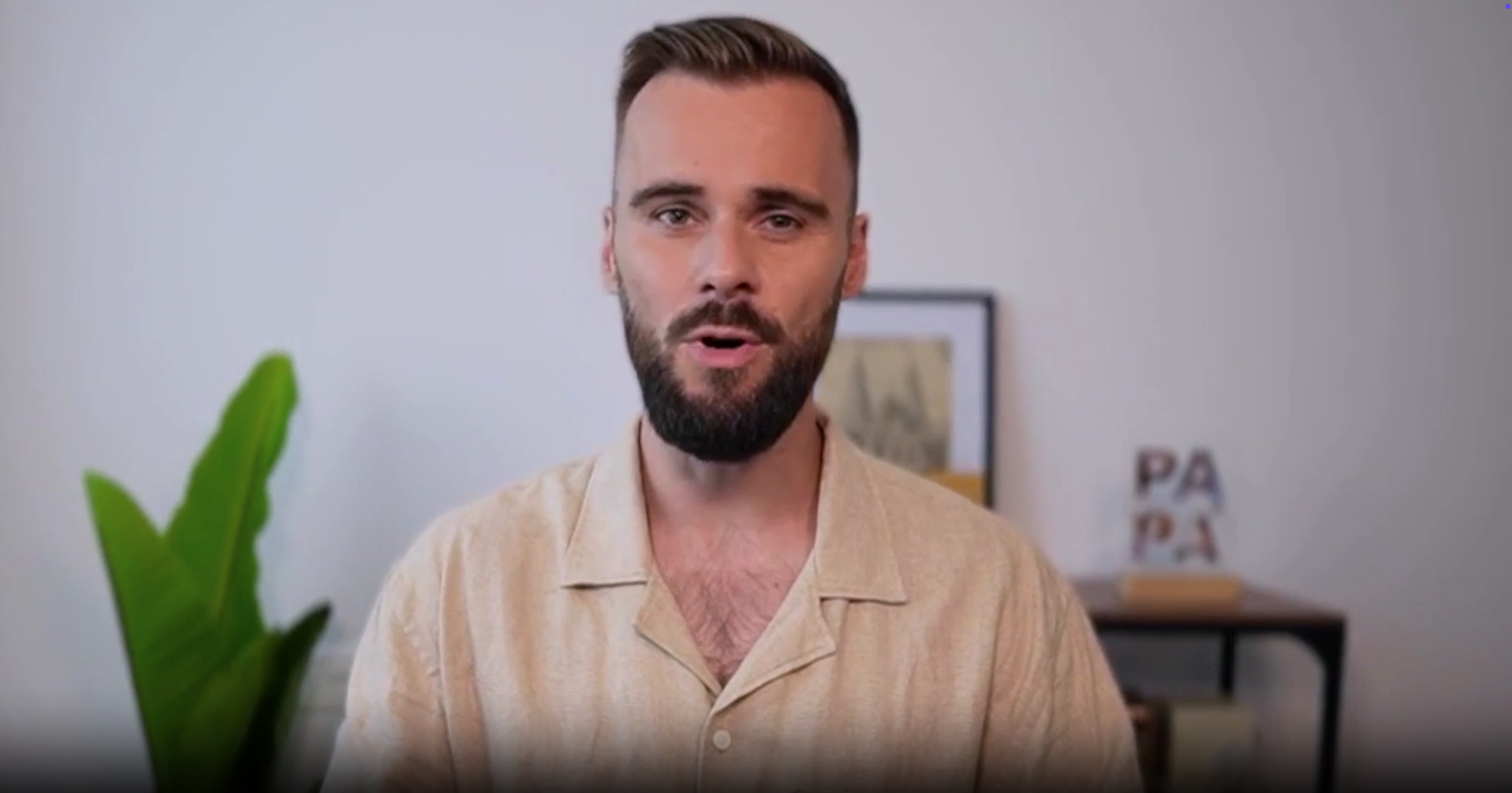
What we're going to next is we're going to set up our reply agent, tag all the people who came in and said, sure. We're interested. They raised their hand. We're gonna set up a reply agent to handle all that force because that's the heavy lifting and that's the hard work.
Generating leads, sure that's hard, but you're gonna get replies and managing those conversations is difficult. Luckily, there's the AI reply agent from instantly. And as you're setting up this all by motion, you ideally wanna focus on strategy and things that move the needle. And then the background, have reply agent is making sure no leads fall through the cracks and everything is just managed as it should be.
That's something we're going to set up now. I'm going to run through it a little bit more quickly because this course is about all bound, and we have a different course about setting up AI agents. If I'm going a little bit fast and you wanna make sure that you're setting up your AI agent the right way, your reply agent the right way, then have a look at the other course where I can go a bit more slow step by step setting up the X or apply agent. For this course, that video is a little bit shorter just to make sure that it's in there and you know we're setting it up and that later we're going to set up a webhook to get all those industry replies, and we're going to set up a pretty cool ad campaign for them.
And right here, we're gonna lay the foundation for it. So let's dive in. Let's quickly look at how we can set up that reply agent. Again, inside instantly, hopefully, a familiar interface for you.
I'm going to add a new AI agent. I'm going to call this my outbound agent, for example, and then it's a reply agent. And I'm gonna just set up full autopilot.
Again, if you're not familiar with the two different options, have a look at the course where I just dive deeper into what it is. It's pretty self explanatory, but just to make sure that you know what it is, and I'm gonna go with autopilot for now. I'm gonna leave all of this at yes, and then you can select different campaigns. So you can say, okay.
I'm going to have different tags or different replies for different campaigns. So the sub fifty million campaign, I wanna approach that differently, for example, and the over fifty million campaign, you wanna do that differently. I'm just gonna have it set up for all the campaigns, all the accounts. If you wanna set it up for specific campaigns, just add a tag to the campaign, and you can find that tag under here, and you can then use a reply agent specifically for those tagged campaigns only.
All of this, I'm gonna leave at the basic settings. I like the professional tone, standard length.
There's no additional guides because I'm just really happy with how the reply agent naturally responds to these emails. I'm just going to set this everything as it is. I'm going to continue, and you can add your Calendly. They will try and book actual meetings with these people.
And then via Calendly, you can say, k. If a new meeting is booked in Calendly, send the webhook to my CRM to make sure that these people are, for example, on our call out reach work list or that they're unsubscribed from campaigns. So you wanna make sure that you have that automation set up as well. A little bit outside of the scope of this course because we're going to be talking about instantly and using instantly to orchestrate all of that.
But it's a small automation that's probably a good idea to set up in in the back end. We're going to add Canonly. I'm going to add this agent.
And then now I know, okay. I'm gonna set up my outbound motion, that multichannel motion. And whenever leads are interested, I don't have to think about it. The reply agent handles it. It will tag all these leads as interested and or not interested, of course, and we can adjust accordingly, route them accordingly, and we can just continue setting up the rest of our multichannel campaigns, and that's what we're going to do in the next video.
Resources


Courses
.svg)

Prompts
%20(1).svg)
Unlock the power of AI
with

Get started now to access exclusive templates and elevate your projects to the next level.
Stop letting poor deliverability kill your pipeline. Join 50,000+ sales teams who've made the switch to Instantly for better inbox placement, higher response rates, and more closed deals.
No credit card required.