.svg)
%20(1).svg)


Updated July 13, 2026
TL;DR: AI BDR pricing in 2026 varies by tier, from self-service tools accessible to lean teams to enterprise agentic platforms that carry custom annual contracts well into five or six figures. The traditional per-seat software tax is obsolete for automated agents. To scale outbound predictably without compounding software costs, Sales Leaders should separate their sending infrastructure from their data and AI execution. Instantly.ai offers flat-fee outreach with unlimited sending accounts, letting you scale deliverability safely while using flexible, credit-based pricing for lead sourcing and AI reply handling. Starter stacks begin at around $141 per month.
When you budget for an AI sales agent in 2026, the sticker price is rarely what you actually pay. Between hidden data enrichment fees, domain setup costs, and deliverability penalties, a $1,000 monthly subscription can easily turn into a $3,000 monthly drain on your pipeline budget.
This guide breaks down the actual cost of AI BDR platforms in 2026, compares subscription tiers, exposes hidden infrastructure fees, and gives you a framework to calculate your true cost-per-opportunity so you can build a number your CFO won't push back on. If you want a concrete option to price against, see AI BDR software built into Instantly.
How vendors structure AI BDR pricing models
The AI BDR market in 2026 has fragmented into three distinct pricing tiers, and where each vendor sits determines whether your outbound costs scale with your team or compound against it. Our roundup covers the AI BDR tools worth considering this year.
AI BDR pricing tier comparison
Tier | Monthly cost range | Target audience | Key inclusions |
|---|---|---|---|
SMB / Self-service | Entry-level monthly cost, accessible to lean teams and solo founders | Founders, lean sales teams | Typically includes email sequencing, capped sending volume, and basic AI copy assistance |
Mid-market | Mid-range monthly cost, typically a multi-plan stack covering sending, data, and CRM | 5 to 15 rep teams | Often includes multi-inbox support, CRM sync, and optional data add-ons |
Enterprise / Agentic | Custom pricing | 50+ rep orgs | May include multi-channel AI execution, custom CRM integrations, and dedicated onboarding support |
The core problem with per-seat models is structural. Software does not sit in a chair, take lunch breaks, or require a physical workstation. Paying a per-seat fee for an automated agent inflates vendor margins while delivering no proportional value - see our full AI BDR pricing guide for a breakdown of every major billing model. Instantly's modular pricing approach separates sending volume from the lead data and AI execution behind Instantly's AI agents, which keeps your total cost tied to actual output rather than headcount.
Instantly's approach to outbound infrastructure extends beyond pricing. The AI Sales Agent automates lead sourcing and initial outreach, while keeping sending costs predictable through flat-fee Outreach tiers.
Managing team-based AI expenses
Adding reps to a per-seat platform triggers a predictable cost chain: each new hire adds a monthly software line item before they've sent a single email. Instantly charges a flat monthly fee by sending volume tier, not by user count, so your plan cost stays the same whether your team has 3 reps or 15 using those accounts. The CRM plans also give you unlimited seats, so you're not penalized for team growth.
How lead volume pricing impacts ROI
If your AI BDR platform charges per contact lookup, your cost-per-meeting climbs fast. Traditional data providers charge a per-lead fee that can add up quickly at volume, but Instantly uses a credit system where lead finding costs 1 to 2 credits and verification costs 0.25 credits per lead.
Instantly's SuperSearch uses a credit-based model to keep this cost predictable. The Instantly Credits Growth plan at $47 per month provides 1,500 to 2,000 credits across lead lookups, Copilot tasks, AI Sales Agent output (5 credits per generated lead), and AI Reply Agent handling (5 credits per reply). You pay for what you use and can scale credits independently of your sending plan.
Predictable monthly subscription tiers
Standard entry-level tiers typically cover basic sequencing and limited email sends. Needing higher capacity doesn't mean jumping to enterprise. Instantly's graduated tiers, Growth, Hypergrowth, and Light Speed, scale sending volume, deliverability features, and warmup settings incrementally. Enterprise is required only for custom requirements beyond what Light Speed covers.
Instantly structures this differently. The Growth Outreach plan now includes A/Z testing, AI Sequence Writer, AI Spam Words Checker, advanced warmup options, and a deliverability test from the preview window, all at $47 per month. The full 26-variant A/Z testing capability is available on the Hypergrowth plan at $97 per month.
Usage-based billing transparency
Credit-based billing for AI tasks gives finance teams a concrete usage trail when your platform separates spend by function. Instantly's billing and usage overview separates Outreach plan usage from Instantly Credits consumption, so you can audit exactly how many credits went to lead lookups versus AI reply handling. That separation matters when you're building a cost-per-meeting report for a board review.
Projecting your 2026 AI BDR budget
Concrete budget projections let you walk into a CFO conversation with actual numbers rather than vendor estimates.
AI BDR costs for lean sales teams
For a team with 1 to 3 reps, a composable Instantly stack costs around $141 per month: Outreach Growth at $47 plus Instantly Credits Growth at $47 plus CRM Growth at $47. On annual billing, that drops to around $113 per month with the 20% discount applied across all three modules.
Enterprise agentic platforms carry custom pricing that varies widely by vendor and team size. Annual contracts are standard, and costs rise sharply with usage volume and contract terms. Many require annual contracts. The gap at small team sizes is significant before you've accounted for setup fees, which we cover in the next section.
Mid-market AI BDR pricing models
For teams with 5 to 15 reps sending at higher volumes, the transition point is when you approach the sending limits of entry-tier plans and need advanced deliverability features.
A mid-market stack at this tier looks like this:
- Hypergrowth Outreach: $97/mo
- Instantly Credits Supersonic: $97/mo (5,000 to 7,500 credits)
- Hyper CRM: $97/mo (adds Calling and SMS, advanced team reporting)
- Estimated total: $291/mo (3 x $97/mo plans combined) That's a fraction of the annual contract costs typical of enterprise agentic platforms, which carry custom pricing that scales well beyond standard product tiers, and it includes tools your reps can adopt quickly.
Managing AI BDR budgets for 50+ reps
At higher sending volumes, dedicated deliverability infrastructure becomes worth evaluating, particularly once you're pushing past 100,000 emails per month on shared IP pools. The Light Speed plan adds SISR (Server and IP Sharding and Rotation) at $358 per month, which assigns dedicated private server and IP blocks to protect your sender reputation at high volumes. The SISR system automatically rotates flagged IPs out, maintaining deliverability across large-volume campaigns.

Beware these hidden AI BDR pricing pitfalls
The pricing page shows the best number. The invoice three months later tells the real story. Your cold email platform subscription often covers just a fraction of your real operational cost. Infrastructure, warmup tools, bad data, and burned domains make up the rest.
Data and infrastructure costs that vendors hide
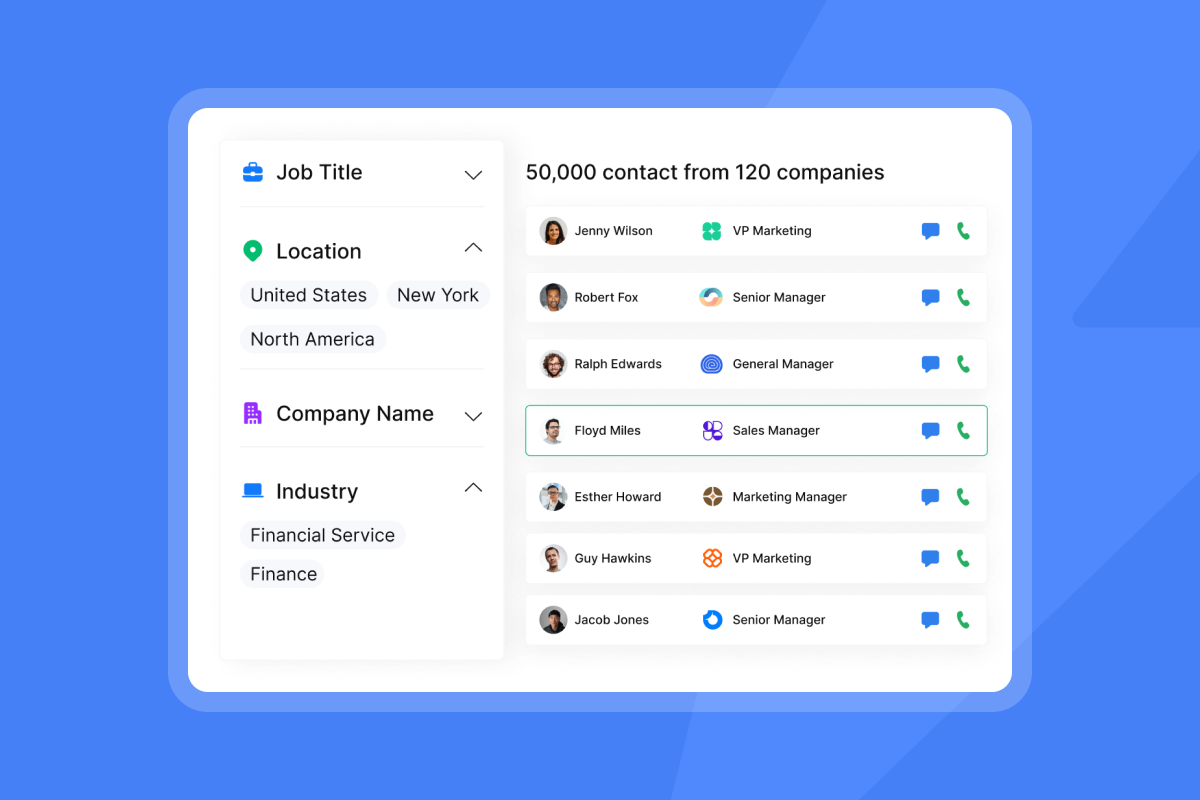
Many AI BDR platforms advertise autonomous prospecting without disclosing that the lead database costs extra. At 1 to 2 credits per lead found and 0.25 credits per verification, 500 lookups per week consumes 625 to 1,125 credits, which can exhaust a lower-tier credit plan quickly.
Secondary sending domains cost $15 per year each through Instantly's domain service. Standalone warmup tools charge a recurring per-inbox monthly fee that adds up before you've sent a single sequence step, and costs rise with bulk inbox setups. Instantly includes unlimited email accounts and warmup across all Outreach tiers, which removes this cost entirely for teams running 10 or more inboxes.
Instantly Credits is a separate subscription from your Outreach plan. It runs as its own billing line and powers lead lookups, AI Sales Agent output (5 credits per generated lead), and AI Reply Agent handling (5 credits per reply). Most functional stacks combine at least two subscriptions: an Outreach tier for sending and a Credits tier for data and AI execution. That separation makes it easier to audit exactly what each function costs, but budget for both from day one.
Platform onboarding and setup fees
Enterprise AI BDR vendors commonly charge mandatory onboarding and integration fees before you've sent a single campaign. Across enterprise SaaS broadly, professional onboarding packages and custom CRM integration work add meaningful cost above the headline subscription price. These fees rarely appear in the pricing comparison but show up on the first invoice after contract signature. Ask any vendor to itemize onboarding and integration costs in writing before you sign.
Avoiding unexpected AI BDR bill spikes
Credit consumption from AI agents can accelerate faster than expected if you haven't set caps. These steps can reduce the risk of unexpected credit consumption:
- Set a monthly credit budget and review consumption weekly in the billing dashboard.
- Use Human-in-the-Loop mode on the AI Reply Agent rather than full Autopilot while calibrating.
- Cap automated lead lookups to a weekly limit until you confirm data quality for each search filter.
- Review add-on pricing before enabling any feature that pulls from a separate credit pool using the add-on pricing guide.
Budgeting for AI BDR success plans
Some enterprise vendors charge an additional monthly fee for a dedicated customer success manager to write prompts and monitor campaigns. This is often framed as a mandatory "Success Plan" for large deployments.
At the Hypergrowth tier and above, Instantly includes priority support without a separate success plan fee.
Navigating contract pitfalls in AI BDR deals
AI BDR contract terms worth scrutinizing before you sign include auto-renewal provisions, exit paths, and data portability rights.
Many enterprise AI BDR contracts include auto-renewal provisions that require 30 to 90 days written notice before the renewal date. Missing this window locks you into another year even if the platform underdelivers on meetings or deliverability targets. Combined with annual pricing commitments that offer 10 to 20 percent discounts but eliminate monthly exit options, these terms create switching costs that compound over time.
Data ownership and portability clauses deserve equal scrutiny. Your contract must explicitly state that your company retains 100 percent ownership of all enriched lead data and campaign history upon termination. Without clear data export rights including format and timeline, you risk losing months of pipeline intelligence during platform transitions. Verify that bulk export is available and functional during your trial period, not after you've committed budget and accumulated critical campaign data.
Contract terms can cost you as much as the software itself. Several clauses commonly catch teams off guard.
Term length and auto-renewal traps
Annual commitments typically offer 10 to 20 percent discounts over monthly billing. Instantly's annual discount is 20 percent across Outreach plans, bringing Growth from $47 to $37.60 per month. The risk of annual contracts with enterprise vendors is lock-in even when the platform underdelivers on meetings or deliverability targets, and most require 30 to 90 days of written notice before the renewal date to cancel.
Start monthly on both Outreach and Credits. Switch to annual on Outreach once you know the channel produces meetings and adoption across your team is consistent. Keep Credits on monthly until you've run two or three real campaigns and know your actual per-month burn rate by action type, since credit consumption is difficult to predict before you have that baseline.
Auditing your final AI BDR statement
Before offboarding any platform, confirm three things: that your data export rights are documented (format and timeline), that transition support remains active during your migration window, and that your contact and campaign data stays accessible until the move is complete. Then review your final statement for:
- Unused credits or prepaid blocks never consumed
- Seat additions you didn't authorize
- Data overage charges from automated enrichment runs
- Prorated fees for features activated mid-cycle
Calculating your total AI BDR investment
The real benchmark for any outbound tool is cost-per-meeting, not cost per seat. Tracking it also feeds your AI BDR ROI timeline.
Calculating true meeting acquisition costs
Cost-per-meeting ROI comparison
Expense category | Traditional human BDR | Enterprise AI BDR | Composable Instantly stack |
|---|---|---|---|
Annual software or salary | $57,000 to $108,000 fully loaded (salary, benefits, and tools). Base salary averages $59,559 per year per ZipRecruiter (July 2026), with the majority of BDR salaries ranging from $45,000 to $70,000 and top earners reaching $85,000. The fully loaded range applies an estimated 27% employer cost factor (payroll taxes, benefits, and tools overhead) to the 25th-percentile base ($45,000) and 90th-percentile base ($85,000), which is why the range floor sits below the stated average base salary. | Custom pricing. Annual contracts are standard across enterprise AI BDR platforms. Costs vary widely by vendor, team size, usage volume, and whether dedicated success management is included. Request a fully itemized quote before committing to any annual term. | $1,692 to $3,492 ($141/mo x 12 to $291/mo x 12, at monthly billing rates) |
Data and enrichment | Varies by method and provider. API-based enrichment is charged per query, waterfall enrichment typically costs more per record but returns higher match rates, and manual research scales cost steeply with volume. Request per-record and per-query pricing from your data provider before modeling annual enrichment spend. | Varies by vendor and data volume. Enrichment is often bundled into the platform contract or charged as a separate line item. Request a fully itemized breakdown of data costs before committing to any annual term. | Powered by Instantly Credits, billed as a separate subscription. Growth Credits at $47/mo x 12 = $564/year (1,500 to 2,000 credits). Hyper Credits from $197/mo x 12 = $2,364/year (10,000 to 200,000 credits). Choose the Credits tier that matches your monthly lookup and AI execution volume. |
Deliverability and domains | Varies by toolset and inbox count. Typical costs include per-inbox warmup fees, email validation charges, and domain registration. Request per-inbox and per-validation pricing from your provider before modeling annual spend. | Typically embedded in the broader platform subscription rather than billed as a discrete line item. Standalone deliverability tooling, if required outside the platform, follows the same per-inbox and validation cost structure as other tiers. | Warmup is included across all Outreach tiers at no additional cost. Primary deliverability expense is domain registration at $15/domain/year via Instantly. At 12 domains: $180/year. At 40 domains: $600/year. Scale domain count to your inbox setup. |
Total annual cost (estimated) | $60,000 to $115,000+ (salary, enrichment, and deliverability combined) | Varies widely. Total cost depends on platform tier, data volume, success plan inclusions, and contract terms. Request a fully itemized annual cost estimate before signing. | $1,872 to $4,092. Low end: Growth Outreach ($47) + Growth Credits ($47) + Growth CRM ($47) = $141/mo x 12 = $1,692/year, plus 12 domains at $15/year each = $180. High end: Hypergrowth Outreach ($97) + Supersonic Credits ($97) + Hyper CRM ($97) = $291/mo x 12 = $3,492/year, plus 40 domains at $15/year each = $600. Credits are included in each plan total above. If upgrading to a higher Credits tier, add the difference to this total. |
Estimated meetings set (annual) | 200 to 300 | Varies widely | Varies by implementation |
True cost-per-meeting (estimated) | $200 to $575 | Varies widely | Software cost per meeting: divide your total annual stack cost by meetings booked. At 150 meetings, the Growth stack ($1,872/year including domains) works out to approximately $12 per meeting. The Hypergrowth stack ($4,092/year including domains) works out to approximately $27 per meeting. Instantly's own analysis puts the broader average CPM for cold email at $152.73 when all outbound inputs are factored in. Actual cost depends on list quality, targeting, reply rate, and time investment. |
Instantly stack: Growth tier ($141/mo x 12 = $1,692/yr) to Hypergrowth tier ($291/mo x 12 = $3,492/yr), including Outreach, Credits, and CRM. Domains priced at$15 per year each.
True AI BDR expense per opportunity
To calculate your cost per SQL, divide your total monthly outbound stack cost by the number of SQLs produced in that period. Separately, track how many replies convert to SQLs as a diagnostic signal for where pipeline drops occur, not as an input to the cost-per-SQL figure itself. Instantly's 2026 benchmark report, which analyzed billions of cold email interactions across thousands of active workspaces from January 1 to December 18, 2025, puts the platform average reply rate at 3.43%. Top-quartile senders reach 5.5% or higher, and the top 10% achieve 10.7% or more.
To calculate your cost per SQL: take your total monthly outbound stack cost and divide it by the number of SQLs produced in that period. Track your reply-to-SQL conversion rate separately to understand where pipeline drops occur. The same benchmark data shows that consistent sending patterns produce 15 to 20 percent higher reply rates, which is why flat-fee infrastructure matters. You're not throttling sends to manage costs.
Total cost per rep per month
To get a clean cost-per-rep number, divide your total outbound software spend by the number of active reps generating pipeline. On a mid-market Instantly stack combining Hypergrowth Outreach ($97) + Supersonic Credits ($97) + Hyper CRM ($97) = $291 per month total, divided across 10 reps, your software cost is approximately $29 per rep per month. That's a number your CFO can compare directly against quota attainment. It also helps answer whether an AI BDR can replace a full-time BDR outright.
Evaluating AI BDR plans based on your pipeline goals
Choose your AI Sales Agent Software plan tier based on your monthly meeting targets, not on the vendor's feature list.
Standardizing AI BDR costs per seat
Normalize pricing across vendors by converting everything into cost per 1,000 sent emails or cost per verified lead. This removes branding noise and lets you compare modular stacks against all-in-one platforms on equal terms, the same lens used in our Instantly comparison guide.
Instantly's SuperSearch credit tiers operate on a separate subscription from Outreach plans: the Growth Credits plan at $47 per month covers 1,500 to 2,000 credits ($0.0235 to $0.0313 per credit). Each verified contact uses 1 to 2 credits for lead finding plus 0.25 credits for verification, totaling 1.25 to 2.25 credits per contact. At those rates, each verified contact costs approximately $0.03 to $0.07.
Predictable budgeting with flat fees
Flat-fee models protect your budget from the volatility of per-seat pricing as your team grows. Because Instantly's Outreach tiers are priced by sending volume rather than user count, the plan cost stays consistent as you add reps, and the gap versus per-seat alternatives widens as your team scales past five people.
"Instantly makes cold outreach operationally simple at scale. The interface is straightforward, setting up campaigns with multiple inboxes is fast, and the warm-up system helps maintain deliverability when sending higher volumes. It is especially useful for testing messaging, running A/B experiments, and managing several email accounts from one dashboard. For lead generation workflows it significantly reduces the time needed to launch and monitor campaigns." - Ivar S. on G2
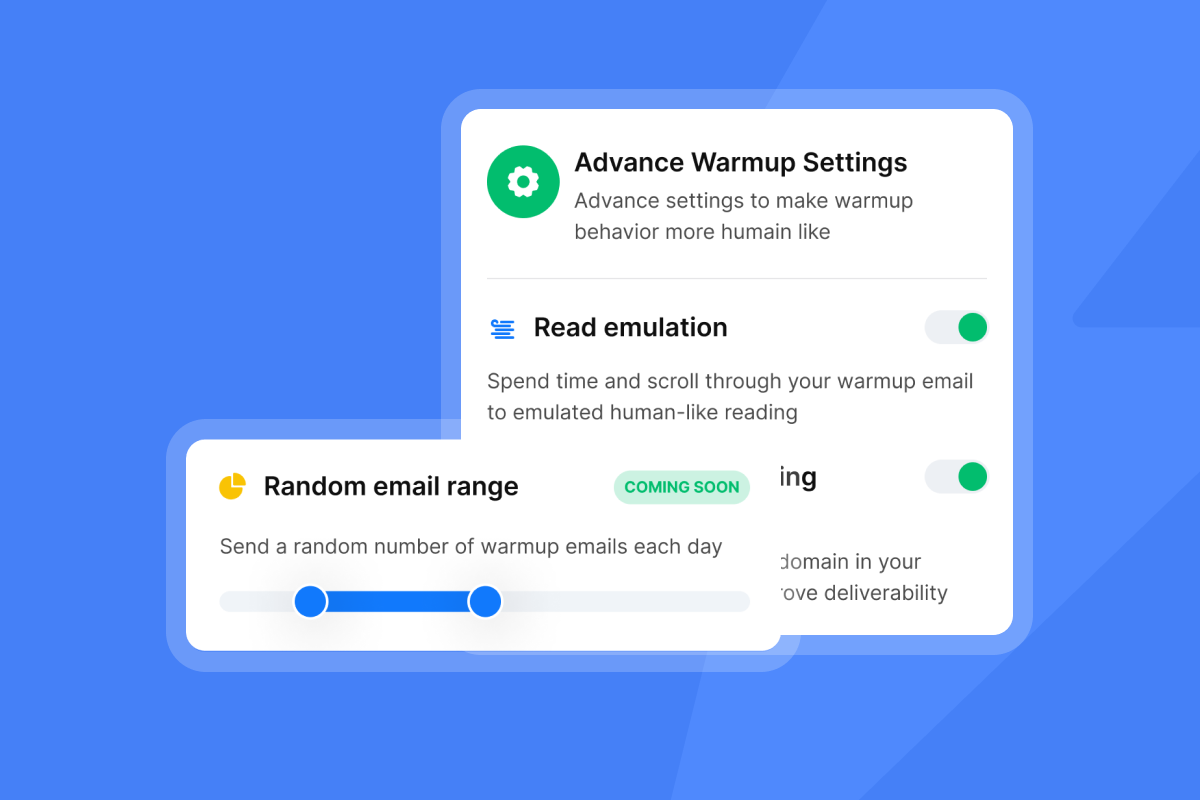
Warmup works best when paired with ongoing inbox placement monitoring. Teams that rely on warmup alone without tracking bounce rates and reply signals over time report inconsistent results.
Aligning expenses to meeting volume
Credit-based pricing ties AI task spend directly to consumption. You choose a Credits tier that matches your expected lookup and reply-handling volume, and your core Outreach plan stays on its own flat-fee billing line. That separation means a spike in AI reply handling does not affect your sending infrastructure costs, and you can move between Credits tiers as your usage pattern becomes clearer over time. See how this agentic pipeline approach works in the Instantly agentic outbound webinar.
Key inquiries before committing to AI vendors
Use this checklist on every vendor demo call, alongside the signs of a risky AI BDR vendor. Copy it into your evaluation notes before you join the call.
Vendor evaluation checklist:
- What features are included in the base price, and which require an enterprise upgrade?
- Are there caps on email sends, connected accounts, or lead searches per month?
- What is the required notice period to cancel, and does it need to be in writing?
- Do we retain 100 percent ownership of all enriched lead data and campaign history upon cancellation?
- Do you have a published DPA and sub-processor list for GDPR compliance review?
- Which CRM does your platform natively support, and what is the integration depth?
For reference, Instantly publishes a full feature breakdown in the Outreach plans comparison, a public DPA with sub-processor listing, and a billing and usage guide so you can answer most of these questions before getting on a call.
Per-seat pricing is a structural tax on team growth, and it will not survive the future of AI BDR in B2B sales. A composable, flat-fee outbound stack with modular credit-based AI execution gives Sales Leaders the cost predictability they need to defend a budget and the deliverability infrastructure they need to hit plan.
Start your free trial with no credit card required, or review the 2026 Cold Email Benchmark Report to align your meeting targets with real-world performance data before building your business case.
FAQs
How much does an AI BDR cost on average in 2026?
AI BDR pricing varies significantly by tier. Self-service tools are accessible to lean teams at entry-level monthly costs, while enterprise agentic platforms carry custom annual contracts. A composable stack built on Instantly's flat-fee outreach model starts at approximately $141 per month (Growth Outreach + Growth Credits + Growth CRM).
Are there hidden fees associated with AI BDR platforms?
Yes. Enterprise platforms commonly charge mandatory onboarding and CRM integration fees that do not appear on the public pricing page but show up on the first invoice after contract signature. Standalone warmup tools also add a recurring per-inbox cost. Instantly includes unlimited warmup across all Outreach tiers, removing that cost entirely.
Can I negotiate an opt-out clause in an AI BDR contract?
Yes, and you should make it a condition of signing: request a 30-day performance-based exit clause tied to specific deliverability or meeting-volume benchmarks before committing to an annual contract. Most enterprise vendors will negotiate this if you ask during the initial proposal stage rather than at signature.
Who owns the lead data generated by an AI BDR?
Your contract must state explicitly that your company retains 100 percent ownership of all enriched lead data and campaign history upon termination. Verify that bulk export is available and test it during your trial period before committing any budget to a platform.
Key terms glossary
Primary inbox: The main folder where verified, high-reputation emails land, avoiding the spam or promotions folders. Reaching the primary inbox is the single most important deliverability outcome for cold email campaigns.
Sender reputation: A score assigned by email service providers based on your sending history, bounce rates, and spam complaints. A damaged sender reputation can take weeks to recover and directly reduces reply rates.
Warmup: The process of gradually increasing email sending volume on a new account to build trust with mailbox providers. Most platforms recommend a 4 to 6 week warmup timeline before scaling past 30 emails per inbox per day.
List hygiene: The practice of regularly cleaning your email list to remove invalid, inactive, or unverified contacts. Keeping bounces at or below 1 percent protects sender reputation and reduces the risk of spam complaints.
SISR: Server and IP Sharding and Rotation, a dedicated deliverability infrastructure that rotates IP pools to protect sender reputation. Available on Instantly's Light Speed plan at $358 per month.
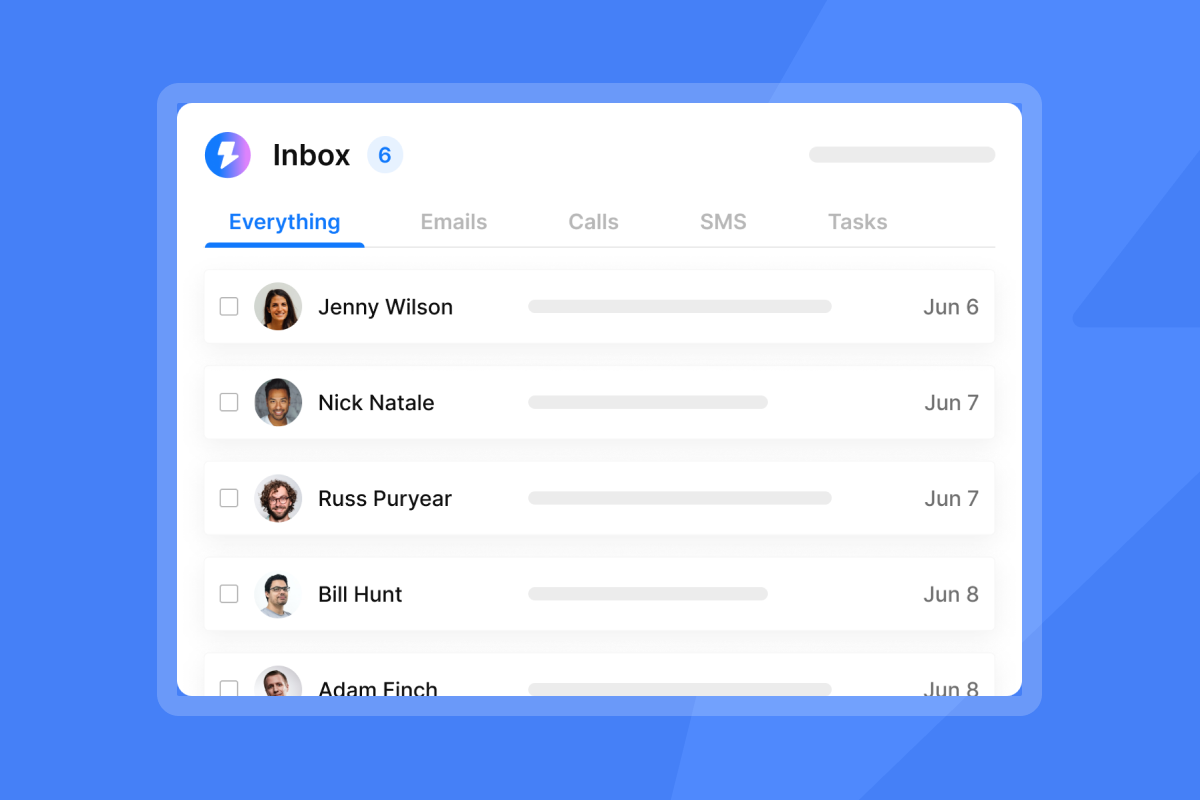
Unified inbox: A centralized dashboard that aggregates replies from multiple sending accounts, allowing reps to manage responses without switching between email clients.
Read next
- What's the best time to send a follow-up email for maximum responses?: A data-backed breakdown of when to send follow-ups by day, time, and sequence step so your emails land when prospects are most likely to reply.
- The 1% bounce rate outbound lead generation method for clean data and high ROI: How to build and maintain a verified contact list that keeps bounces below the 1% threshold and protects your sender reputation at scale.
- Cold email templates that book meetings in 2026: Proven subject lines, openers, and calls to action drawn from high-performing campaigns, ready to copy into your next sequence.



