Salesflows — The Operational Infrastructure
3
videos
2:14
minutes
resources
.avif)
Unlock the power of AI with Instantly
Find warm leads, scale email campaigns, reach primary inboxes, engage smarter and win more with AI.
Salesflows: The Operational Infrastructure
Salesflows represent the systematic approach to moving prospects through your pipeline. They are the operational infrastructure that ensures consistent execution regardless of who is working or how busy things get. Understanding how to design and implement effective salesflows transforms your cold outreach from ad hoc effort into reliable machine.
What Salesflows Actually Are
A salesflow is a defined sequence of actions that should happen as a prospect moves through your sales process. It specifies what happens when certain conditions are met, who is responsible for each step, and what triggers transitions between stages.
Think of salesflows as the recipes your operation follows. Just as a recipe ensures a dish turns out consistently regardless of who cooks it, a salesflow ensures your sales process executes consistently regardless of who is working that day.
Salesflows include both automated and human steps. Some actions can be fully automated, like sending a follow-up email three days after no response. Others require human judgment, like deciding whether a prospect's objection warrants a phone call. Effective salesflows blend automation and human involvement appropriately.
Designing Effective Flows
Good salesflow design starts with understanding your buyer journey. How do prospects typically move from cold contact to closed deal? What stages do they pass through? What activities advance them between stages?
Map this journey before building flows. Interview your successful salespeople about how they handle prospects at each stage. Look at data from past deals to identify patterns. This research informs flow design that matches how sales actually happen.
Once you understand the journey, design flows that support it. Each stage should have clear entry criteria, defined activities, and exit conditions. Transitions between stages should trigger appropriate actions and notifications.
Avoid overcomplicating initial designs. Start with straightforward flows that handle common scenarios. Add complexity as you learn what variations actually matter. Simpler flows are easier to maintain and troubleshoot.
Automation Opportunities
Salesflows create opportunities for automation that would be difficult to implement otherwise. When your process is clearly defined, you can identify which steps do not require human judgment and automate them.
Time-based follow-ups are natural automation candidates. If your flow calls for following up three days after sending an initial email, automation can handle that without someone needing to remember and act.
Status updates based on activity can be automated as well. When a prospect replies, their status should update automatically. When a meeting is scheduled, the record should reflect that without manual entry.
Notifications and reminders ensure nothing falls through the cracks. When a prospect sits in a stage too long, alert the assigned rep. When high-priority activity happens, notify relevant people immediately.
The Human Elements
Not everything should be automated. Salesflows should also define where human judgment is essential and ensure people are properly supported for those moments.
Complex responses to prospect questions, objection handling in nuanced situations, and decisions about whether to continue pursuing a lead all benefit from human involvement. Flows should route these situations to people equipped to handle them.
Supporting humans means providing context. When a flow brings someone into a conversation, they should have access to the full history and relevant information. The flow should not just assign tasks but enable success in completing them.
Training connects to flows as well. If your salesflow expects people to handle certain situations, make sure they know how. Flows that assume capabilities people do not have will fail regardless of how well they are designed.
Continuous Improvement
Salesflows should not be static. As you learn more about what works, update your flows to reflect that knowledge. Regular review ensures flows stay aligned with your evolving understanding.
Track metrics that indicate flow effectiveness. Conversion rates between stages, time to progress, and drop-off points all provide insight into how well your flows perform. Problems in these metrics suggest flow improvements.
Gather feedback from the people working within flows. They see firsthand what works and what creates friction. Their input helps you refine flows to be more effective and easier to execute.
Treat your salesflows as living systems that evolve with your operation. The flows you start with will not be the flows you use a year from now. Building in expectations of iteration helps you improve continuously.
Video Transcript
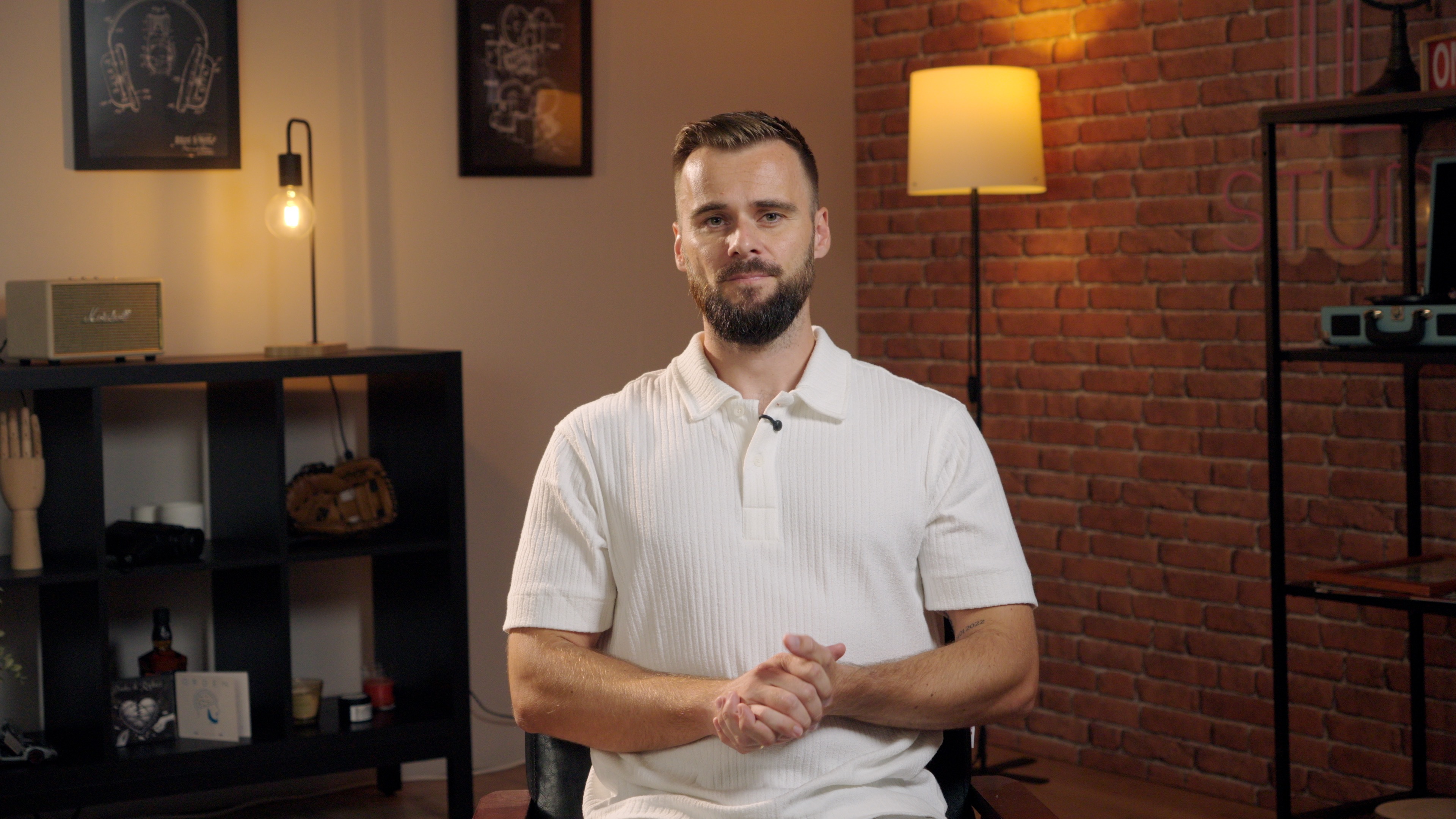
One of the biggest mistakes sales teams make is thinking that if a lead doesn't convert right away, it's a dead end. But most of the time that's not true. More often the timing just isn't right. Maybe they don't have budget this quarter, maybe they're in the middle of another project, maybe the decision maker just change roles.
Whatever the reason, they're not ready now, but that doesn't mean they won't be ready later. The problem is, without a system, those leads fall through the cracks. You move on to fresh names, chasing net new opportunities, while the almost ready ones get lost in the noise. And the irony, those almost ready leads are often the easiest to close.
You've already sparked a conversation, you've already built some trust, All they need is a nudge at the right moment. That's where sales flows come in. Think of sales flows as the operational infrastructure that keeps your pipeline alive. With the right setup, you can automatically resurface leads when the timing is better.
For example, if a reply agent tags a contact as busy right now, you can design a sales flow that brings that lead back to your attention in a month. Suddenly, instead of disappearing, they're begging your system right when it matters. Sales flows also helps you separate signals from noise. Instead of staring at a massive list of leads and wondering who to focus on, the system surfaces the ones worth reengaging.
It tells you here's who's warming up, here's who's ready, here's who needs a gentle follow-up. And this is where most teams miss out. They're so busy chasing new leads that they ignore the gold sitting right under their noses. Sales flows make sure that doesn't happen.
The bigger picture is this. Call outreach isn't just about generating demand, it's about managing timing. And timing can't be controlled, but it can be tracked. Sales flows is how you do that.
So instead of burning yourself out on endless net new leads, use sales flows to build a second chance system, One where no lead slips through the cracks, no conversation gets forgotten, and no opportunity dies just because the timing was off the first time around. Because in the long run, it's not just about who you reach, it's about when you reach them. And sales flows are the infrastructure that makes sure the when is always right.
Resources





Courses

.svg)






Prompts
%20(1).svg)
Start building your AI sales engine
Get started now to access exclusive templates and elevate your projects to the next level.
Stop letting poor deliverability kill your pipeline. Join 50,000+ sales teams who've made the switch to Instantly for better inbox placement, higher response rates, and more closed deals.
No credit card required.
.svg)
%20(1).svg)